
Candidiasis (Yeast Infection): Causes, Types, Symptoms, and Treatment
Candidiasis is a fungal infection caused by Candida species, commonly C. albicans. It ranges from superficial mucosal disease to invasive bloodstream infection; management depends on site and host factors.
Candidiasis, commonly called a yeast infection or thrush, is an infection caused by fungi in the genus Candida. These organisms live normally on skin and mucous membranes but can become pathogenic when local or systemic defenses change. Clinically it appears as superficial overgrowth of yeast in the mouth, genital tract or skin, and in vulnerable patients it can invade the bloodstream or internal organs. The condition is part of a wider category of fungal infection and is considered an infectious disease when symptomatic.
Image gallery
10 Images


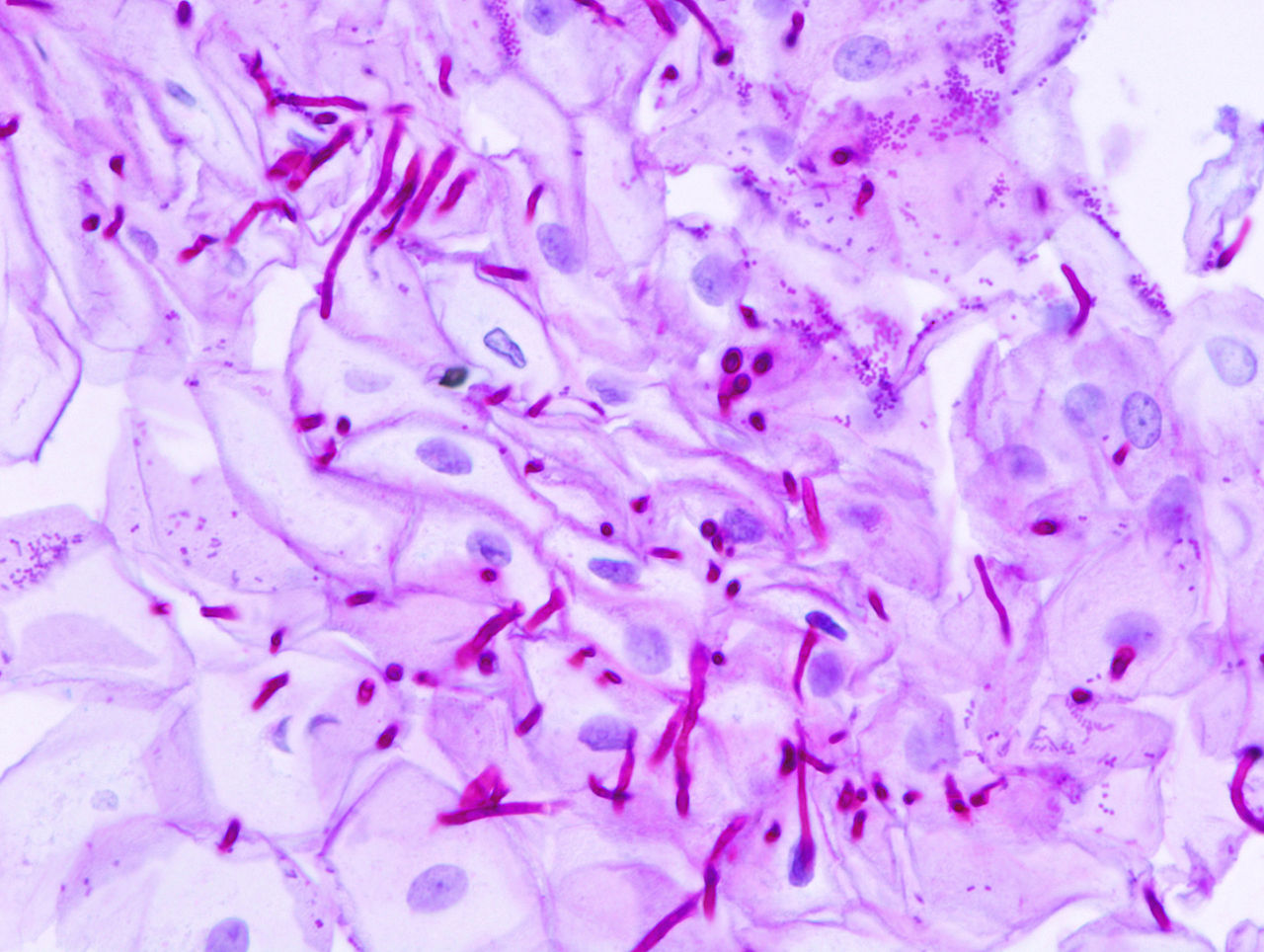


Types and common presentations
Superficial forms include oral thrush, vulvovaginal candidiasis, and cutaneous candidiasis. Symptoms vary by site but often include white patches or discharge, redness, itching, soreness and discomfort. In hospitalized or immunocompromised patients, invasive candidiasis (candidemia) can cause fever, organ dysfunction and requires urgent care.
Causes, risk factors and biology
Candida species, especially Candida albicans, can switch between harmless and invasive behavior. Risk factors for overgrowth include broad‑spectrum antibiotics, corticosteroids, diabetes, pregnancy, impaired immunity (HIV, chemotherapy), indwelling catheters and breaches of skin or mucous barriers. Biofilm formation on medical devices contributes to persistence and resistance.
Diagnosis
Diagnosis combines clinical signs with laboratory tests: microscopic examination with potassium hydroxide, culture, antigen or nucleic acid tests for mucosal disease, and blood cultures or molecular assays for suspected invasive infection. Identifying the species helps guide therapy because some non‑albicans species show reduced susceptibility to common antifungals.
Treatment and prevention
- Topical antifungals (azoles, nystatin) are effective for many superficial infections.
- Oral azoles (e.g., fluconazole) are commonly used for more extensive mucosal disease.
- Invasive infections often require systemic therapy with echinocandins or amphotericin B, guided by species and susceptibility.
- Prevention focuses on reducing risk factors, device management, glycemic control and prudent antibiotic use.
Understanding the differences between colonization and invasive disease, and between Candida species, is important for appropriate management. Candidiasis is a common clinical problem with outcomes that range from easily treated superficial disease to severe, life‑threatening infection in high‑risk patients.
Questions and answers
Q: What is candidiasis?
A: Candidiasis is an infectious disease caused by a type of fungus called Candida.
Q: What are the common names for candidiasis?
A: Candidiasis is often called yeast infection or thrush.
Q: What type of infection is candidiasis?
A: Candidiasis is a fungal infection or mycosis.
Q: What causes candidiasis?
A: Candidiasis is caused by any of the Candida species of yeast, with Candida albicans being the most common species.
Q: Is candidiasis contagious?
A: Candidiasis is not considered a contagious disease since it is caused by an overgrowth of naturally occurring fungi in the body.
Q: What are the symptoms of candidiasis?
A: Symptoms of candidiasis may include itching, burning, and discomfort in the affected areas, such as the mouth, genitals, or skin.
Q: How is candidiasis treated?
A: Treatment for candidiasis may include antifungal medication, topical creams or ointments, and lifestyle changes to avoid triggering factors such as wearing tight clothing or using scented products.
Related articles
Author
AlegsaOnline.com Candidiasis (Yeast Infection): Causes, Types, Symptoms, and Treatment Leandro Alegsa
URL: https://en.alegsaonline.com/art/16520
Sources
- ncbi.nlm.nih.gov : Deep Mycoses in: Baron's Medical Microbiology (Baron S et al., eds.) · webcitation.org
- candida-society.org : Medline Plus at the U.S. National Library of Medicine · webcitation.org
- ncbi.nlm.nih.gov : PMID 3319417
- nlm.nih.gov : Medline Plus
- californiachronicle.com : Penile candidiasis - yes, yeast infection in men
- ncbi.nlm.nih.gov : PMID 16984866
- ncbi.nlm.nih.gov : PMID 12164664