
Ainu people: indigenous inhabitants of northern Japan and adjacent Russian islands
Overview of the Ainu, an indigenous people of Hokkaido and neighboring regions of the Russian Far East: origins, language, culture, history, modern recognition and ongoing revitalization efforts.
Overview
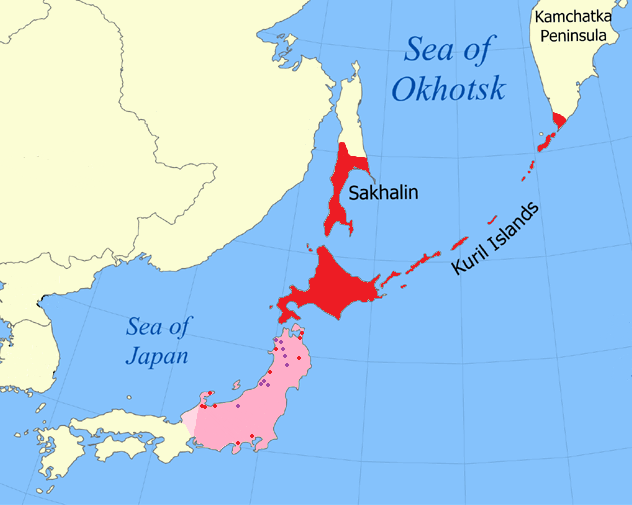
The Ainu are an indigenous people traditionally associated with the northern islands of Japan and adjacent areas of the Russian Far East. Traditional territories include parts of what is now northern Japan (especially Hokkaido), the lower basin and coasts of the Amur region, the island of Sakhalin, the Kuril Islands and coastal zones of the Kamchatka Peninsula. The name "Ainu" denotes both the people and a set of cultural and linguistic traditions often associated historically with the region once called Ezo. Their language and cultural heritage are commonly grouped under the heading Ainu language and culture.
Image gallery
10 Images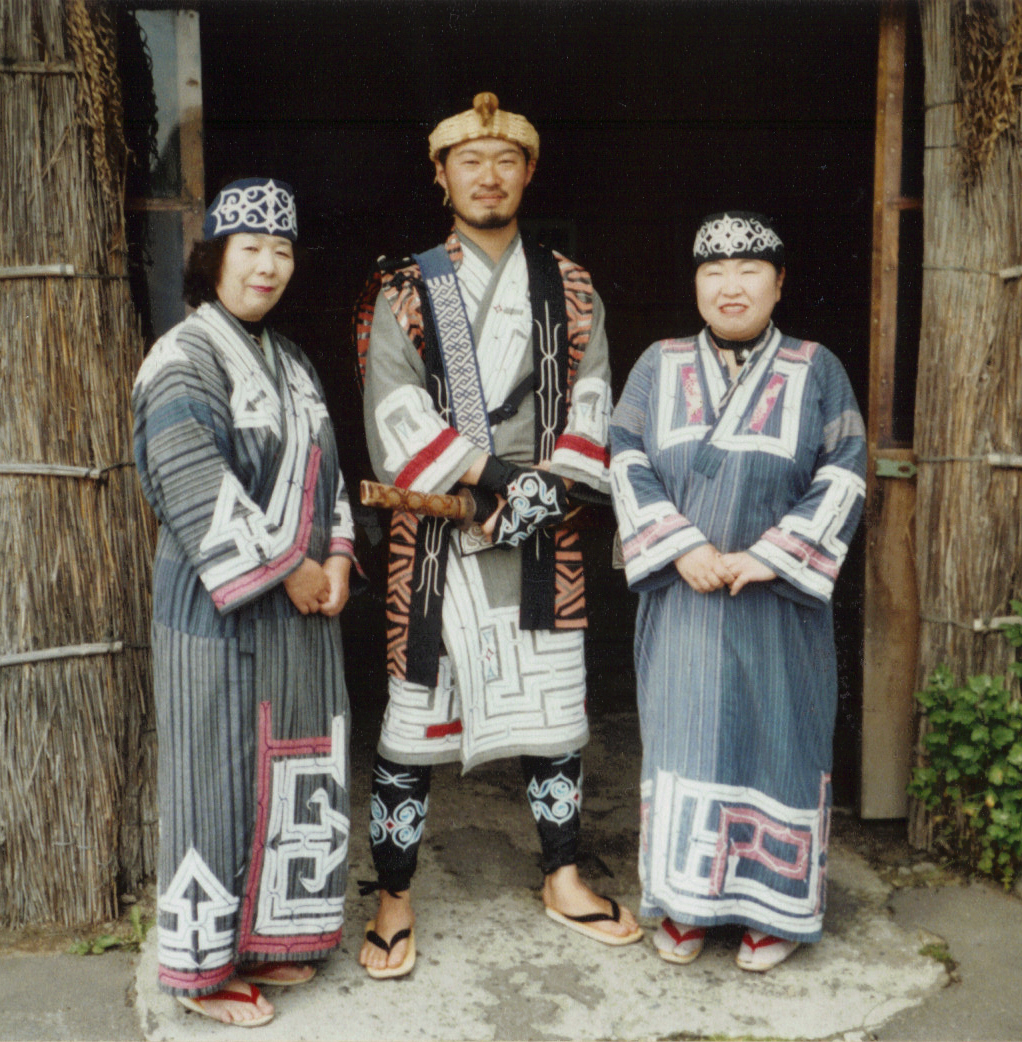


Origins and population
The origins of Ainu communities reflect a long history of human settlement in the northern Pacific. Archaeological and genetic research indicates complex ancestry involving ancient hunter-gatherer populations of the region and interactions with neighboring groups. Over centuries, contact with Japanese, Russian and other peoples influenced Ainu demography and settlement patterns. Today, Ainu individuals and communities live in both urban and rural settings across Hokkaido and in parts of the Russian Far East, while many descendants live in diverse locations throughout Japan.
Economy and material culture
Traditional Ainu livelihoods combined hunting, fishing and gathering with small-scale cultivation of plants where climate permitted. Marine resources, particularly salmon and other fish, were central to diet and economy in coastal areas. Material culture includes carved wooden items, elaborately embroidered garments, and distinctive utilitarian objects. Textiles made from inner-bark fibers, known by some as attus, and ornamental woodcarving are among the best-known craft traditions.
Beliefs, rituals and social life
Ainu spirituality is animistic and centers on a world of spirits, often called kamuy, that are present in animals, plants and natural phenomena. Ceremonies to honor and send back the spirits of animals and ancestors are important. The bear-sending ritual, frequently referred to as iyomante, is one of the better-known rites and illustrates the entwined nature of subsistence and spiritual practice. Social organization historically emphasized kinship networks, sharing and reciprocal relations within communities.
Language and revitalization
Ainu languages are generally regarded as a distinct family or isolate, not closely related to Japanese. The number of native speakers declined sharply during the 19th and 20th centuries because of assimilation policies, population movements and social pressures. In recent decades, community-driven language revitalization efforts, educational programs, documentation projects and cultural workshops have sought to revive and pass on Ainu languages and traditional knowledge to younger generations.
History, recognition and contemporary issues
State expansion, colonization and economic change in the 19th and 20th centuries led to loss of land, assimilation pressures and marginalization for many Ainu. In the early 21st century there has been increased attention to Ainu rights and heritage, including formal recognition and growing public awareness. Cultural centers, museums and festivals promote Ainu art, music and crafts, and scholars and indigenous advocates work on legal protections, cultural revitalization and public education. Contemporary concerns include language revival, cultural property protection, land and resource rights, and the strengthening of Ainu institutions.
Further resources and study
- Ethnographic and historical studies offer context for Ainu traditions and regional interactions.
- Community organizations and cultural centers provide programs in language and crafts.
- Museums and academic collections house artifacts and documentation relevant to Ainu history.
Readers seeking more information can consult regional archives and community sources that focus on northern Pacific cultures and Ainu heritage: materials on northern Japan, studies of the Amur region, collections related to Sakhalin, resources for the Kuril and Kamchatka areas, language and cultural portals for Ainu studies, and historical references to Ezo.
Related articles
Author
AlegsaOnline.com Ainu people: indigenous inhabitants of northern Japan and adjacent Russian islands Leandro Alegsa
URL: https://en.alegsaonline.com/art/1600
Sources
- books.google.com : Sea-Girt Yezo: Glimpses at Missionary Work in North Japan, pp. 7-8
- books.google.com : "Ainu"
- books.google.com : Multicultural Japan: Palaeolithic to Postmodern
- news.bbc.co.uk : "Recognition at last for Japan's Ainu"
- books.google.com : The Peoples of Northeast Asia through Time: Precolonial Ethnic and Cultural Processes along the Coast between Hokkaido and the Bering Strait
- opac.lib.niigata-u.ac.jp : "Origins of the Ainu language : the Ainu Indo-European controversy"
- sav.sk : sav.sk/journals/uploads/101415063_Tambovtsev.pdf
- nature.com : "Unique characteristics of the Ainu population in Northern Japan"
- doi.org : 10.1038/jhg.2015.79
- worldcat.org : 1435-232X
- ncbi.nlm.nih.gov : "Deep History of East Asian Populations Revealed Through Genetic Analysis of the Ainu"
- doi.org : 10.1534/genetics.115.178673
- worldcat.org : 0016-6731
- ncbi.nlm.nih.gov : 4701090