
Caernarfon — royal town in Gwynedd, north‑west Wales
Caernarfon is a historic royal town on the Menai Strait in Gwynedd, north‑west Wales, known for Caernarfon Castle, a strong Welsh language presence, annual festivals and links to British royal history.
Caernarfon is a compact royal town and community on the north‑west coast of Wales, officially styled the Caernarfon Royal Town. It lies within Gwynedd in Wales on the southern shore of the Menai Strait, opposite the isle of Anglesey. The town had a population of 9,852 recorded in the 2011 census and combines a working harbour and residential areas with a well preserved medieval core dominated by the castle.
Image gallery
10 Images

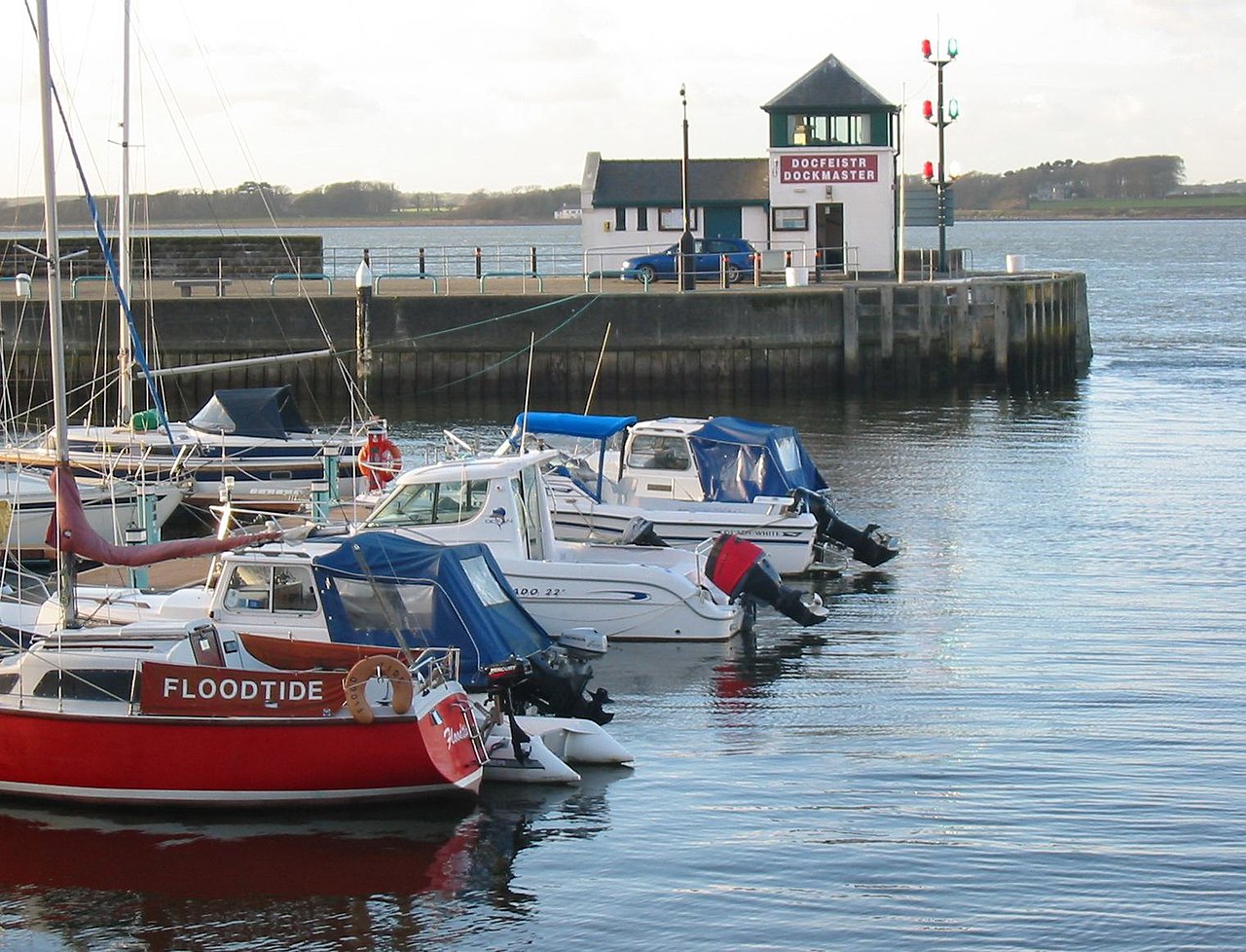
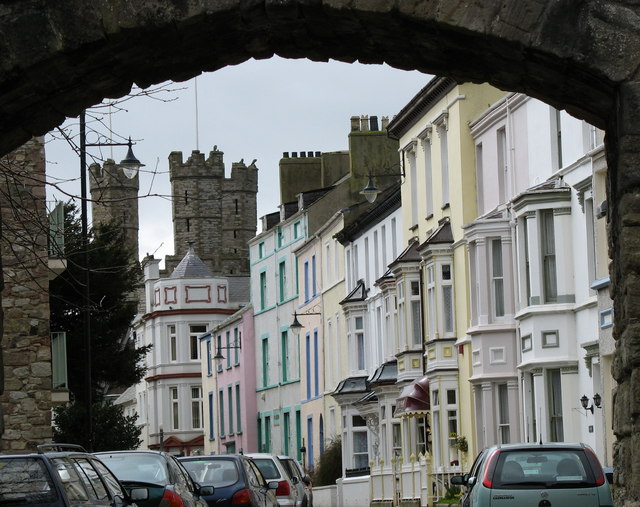


Location and landscape
Caernarfon sits by the tidal waters of the Menai Strait, a narrow channel that separates mainland Wales from Anglesey. It is about 8.6 miles (13.8 km) south‑west of Bangor and some 19.4 miles (31.2 km) north of Porthmadog. The A487 road passes through the town and links it with other coastal communities in north‑west Wales. The waterfront, quays and distant hills form a strong local sense of place that has shaped settlement and maritime activity for centuries.
History and royal connections
The town is closely associated with Caernarfon Castle, one of the most prominent examples of late 13th‑century royal military architecture in Britain. The castle was begun after King Edward I’s conquest of north Wales and work continued through the early 14th century. Its scale and distinctive appearance helped make Caernarfon a focus for subsequent ceremonial use: the castle was chosen as the setting for the 1969 investiture of Prince Charles and, in 1963, Queen Elizabeth II granted the settlement a royal borough title. Administrative reorganisations after 1974 altered local government structures, but the place has retained the style of a royal town.
Language, culture and community life
Caernarfon has one of the highest proportions of Welsh speakers in Wales, and the Welsh language is widely heard in schools, shops, workplaces and cultural organisations. Local life blends traditional music, amateur dramatics and community events with visitor‑orientated activities. Since 2016 the town has hosted an annual Caernarfon Food Festival that showcases local produce, craft and hospitality, and the castle and town centre provide regular venues for markets, parades and seasonal celebrations.
Economy, heritage and tourism
The local economy mixes everyday services for residents with tourism centred on the historic core. The castle and surviving lengths of town wall draw visitors interested in medieval history and heritage; the monument is often discussed alongside other medieval fortifications and town defences. The harbour area supports small‑scale maritime activity and there is a range of independent shops, cafes and accommodation that serve both local needs and visitors.
Transport and access
Transport connections are typical of a regional historic town: the A487 provides main road access, and rail and bus services are available via nearby hubs. The town centre is compact and largely walkable, with public spaces and pedestrian routes linking the castle, quay and shopping streets. Practical visitor advice is available from local tourist information and authority sources.
Governance and civic life
Local administration and community organisations play an active role in managing heritage, events and public services. Historic designations and conservation policies guide work on the castle and the old town, while community groups and cultural bodies support Welsh‑language provision and seasonal programming. For civic and administrative context see county and national sources on Gwynedd and Wales.
Notable sites and visitor notes
- Caernarfon Castle — the town’s principal monument and a major historic attraction; often referred to simply as a castle in guides.
- Town walls and gatehouses — surviving sections can be explored around the medieval core.
- Harbour and waterfront — small quays and promenades with views across the Menai Strait to Anglesey.
- Community venues — halls, cultural organisations and language centres that sustain local life and festivals.
Further reading and practical resources on history, events and language are available from regional heritage services and cultural organisations; specific topics of interest include royal connections (see material relating to Queen Elizabeth II and the town’s status as a borough in mid‑20th century sources), the medieval castle (Caernarfon Castle) and contemporary Welsh language provision (Welsh language). The town’s mix of living community, historic monuments and coastal setting continues to attract visitors, students of history and those interested in Welsh culture.
Related articles
Author
AlegsaOnline.com Caernarfon — royal town in Gwynedd, north‑west Wales Leandro Alegsa
URL: https://en.alegsaonline.com/art/15945