
Porthmadog — coastal town in Gwynedd, Wales
Porthmadog is a small coastal town and community in Gwynedd, northwest Wales, known for its 19th-century sea wall, heritage railways, maritime links and nearby natural scenery.
Overview
Porthmadog is a coastal settlement and civil community in northwest Wales. It functions as a local service centre and tourist gateway on the edge of the Glaslyn estuary. Locally it is often referred to simply as Port. The town's recorded population at the 2011 census was about 4,185, and it lies within the administrative county of Gwynedd in Wales. Many descriptions identify it first as a coastal town and also as a community in official records.
Image gallery
10 Images





Geography and notable features
The town occupies low land beside the estuary of the River Glaslyn and has a working harbour area and marina. Its most striking engineered feature is the earth embankment known as the Cob, which protects reclaimed land and forms a major road route across the estuary. The presence of the Cob and the harbour shaped Porthmadog's layout and later development, and the surrounding countryside includes beaches, mudflats and upland scenery used for recreation and wildlife interest.
History and origins
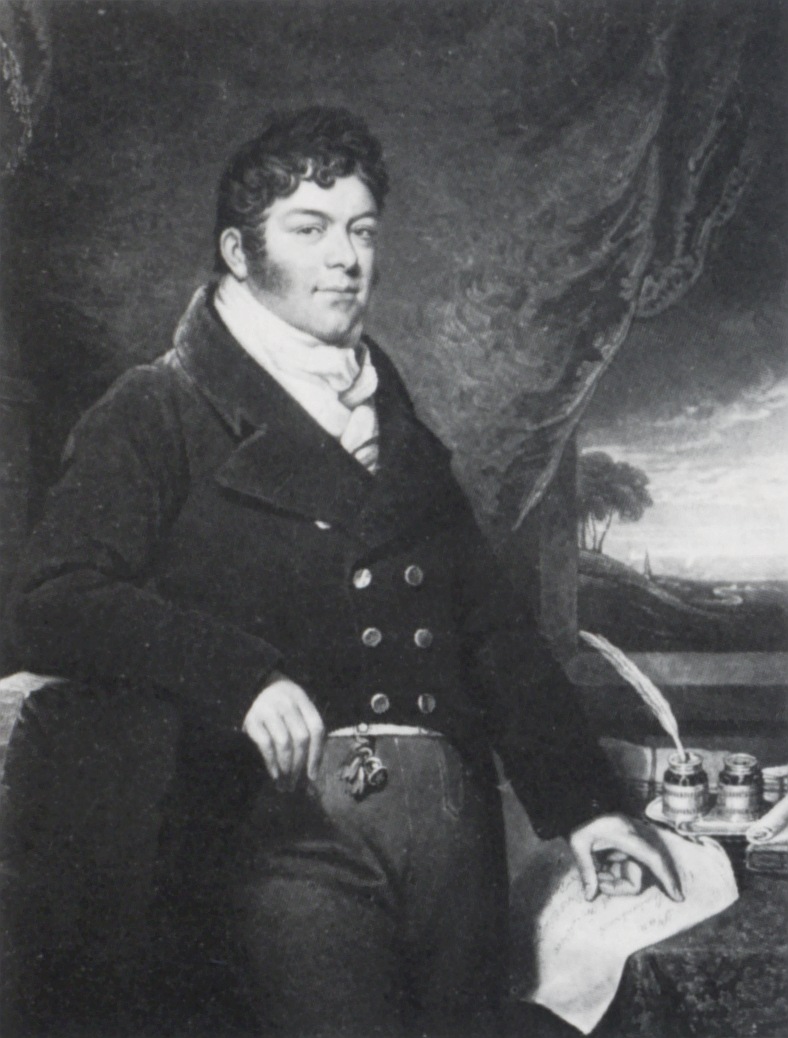
Porthmadog developed in the early 19th century after a major reclamation and causeway project completed in the first decade of that century: the sea wall known as the Cob was constructed under the direction of the landowner William Madocks. Work on the embankment began around 1808 and continued through to about 1811, enabling the drainage of the Ynys Towyn area and the creation of dock space for coastal and slate shipping. Until local government changes in the 20th century the settlement was commonly anglicised as Portmadoc; administrative reorganisations in 1974 and later years altered denominations and boundaries, but the Welsh form remained widely used.
Transport, economy and tourism
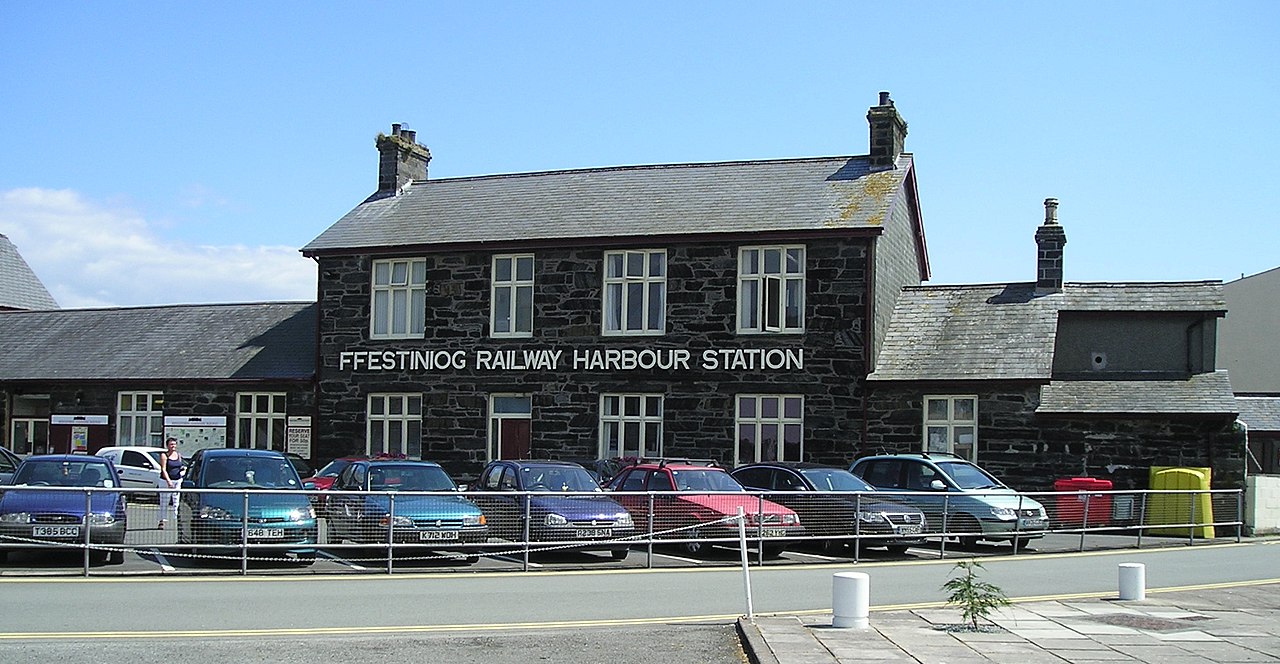
Porthmadog has historic connections with the North Wales slate industry and developed as a port for shipping slate and other goods. Today its economy mixes local services, light industry and visitor-oriented businesses. The town is an important node for heritage railways and coastal tourism, offering boat trips, fishing, sailing and links to walking routes in nearby hills and national parks.
Attractions and identity
- Heritage railways and steam services that draw enthusiasts and visitors.
- Harbour and waterside activities, including a small marina and excursion boats.
- Access to coastal paths, beaches and nearby upland scenery for walkers.
- Local festivals and markets that reflect regional culture and language.
Porthmadog combines industrial-era engineering, maritime character and proximity to natural landscapes, making it notable both as a local centre and as an entry point for exploring the wider Gwynedd coast and mountains. For more practical information and local resources see local and county publications and visitor guides (Wales, Gwynedd).
Questions and answers
Q: Where is Porthmadog located?
A: Porthmadog is a coastal town and community in Gwynedd, Wales.
Q: What is the population of Porthmadog according to the 2011 census?
A: The population of Porthmadog according to the 2011 census is 4,185.
Q: What was Porthmadog known as before 1974?
A: Porthmadog was known as Portmadoc before 1974 and was known locally as Port.
Q: Who built the sea wall called the Cob in Porthmadog?
A: William Madocks built the sea wall called the Cob in Porthmadog.
Q: When was the Cob built in Porthmadog?
A: The Cob in Porthmadog was built between 1808 and 1811.
Q: What is the Welsh pronunciation of Porthmadog?
A: The Welsh pronunciation of Porthmadog is [pɔrθˈmadoɡ].
Q: In which region is Porthmadog located?
A: Porthmadog is located in Gwynedd, Wales.
Related articles
Author
AlegsaOnline.com Porthmadog — coastal town in Gwynedd, Wales Leandro Alegsa
URL: https://en.alegsaonline.com/art/78273