
Caernarfon Castle
Caernarfon Castle is a major medieval fortress in north Wales, built for Edward I in the late 13th century. Noted for its massive walls, polygonal towers and symbolic architecture, it is a UNESCO World Heritage site.
Overview
Caernarfon Castle is a large medieval fortress on the north-west coast of Wales. Constructed for King Edward I following his campaigns in the region, it forms one of the most complete and visually striking examples of royal military architecture from the late 13th and early 14th centuries. The site is part of the group inscribed as a World Heritage property.
Image gallery
10 Images


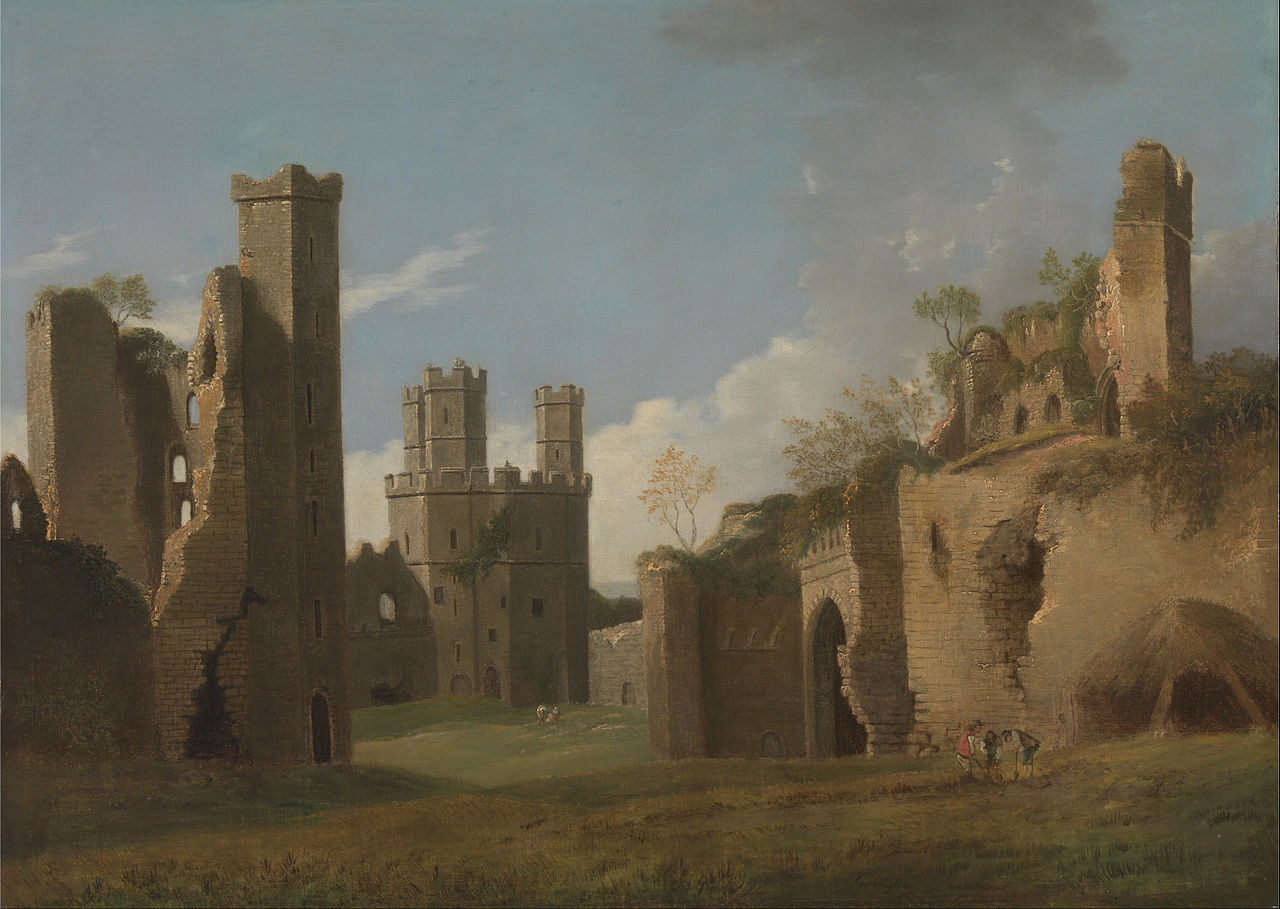
Architecture and principal features
The castle is characterized by concentric curtain walls, massive gatehouses and a sequence of polygonal towers that present a deliberately monumental façade to the town and sea. Its plan includes an inner ward and outer bailey, imposing scaled walls, and richly worked masonry intended to convey royal power. Decorative banding and sculptural details set Caernarfon apart from many contemporary fortifications.
History and development
Building began in the years after Edward I’s conquest of the region in the late 1200s. The work was supervised by leading master masons of the period and continued intermittently across the 13th and 14th centuries. The castle sat close to earlier Roman and native Welsh sites and was meant both as a military stronghold and a seat of royal administration.
Uses and cultural significance
Historically Caernarfon served as a garrison, an administrative centre and a royal residence on occasion. In modern times its setting and drama made it a chosen venue for public ceremonies, including the 20th-century investiture of the Prince of Wales. Today it is managed for conservation and public access and is a major attraction for visitors interested in medieval architecture and Welsh history.
Conservation and visiting
Conservation efforts have aimed to stabilise and interpret the surviving structures while preserving their historic character. Visitors can explore ramparts, towers and interior spaces that show both defensive design and symbolic elements of royal power. Further introductory information about the site and related castles is available through general guides to the region and specialised resources on medieval fortifications, for example a local castle overview.
Notable facts
- It is part of the ensemble known as the Castles and Town Walls of King Edward in Gwynedd, inscribed as a World Heritage site.
- Its architectural form blends strong military features with symbolic and ceremonial elements to project authority.
- The castle continues to be a focal point for public events and historical interpretation in Wales.
Related articles
Author
AlegsaOnline.com Caernarfon Castle Leandro Alegsa
URL: https://en.alegsaonline.com/art/15944
Sources
- caernarfon-castle.co.uk : "Caernarfon Castle"