
Caesarea (Caesarea Maritima): ancient port and modern town in Israel
Caesarea, founded by Herod the Great as Caesarea Maritima, is an archaeological park and modern private town on Israel's Mediterranean coast, noted for Roman harbour engineering, Byzantine remains and layered history.
Overview
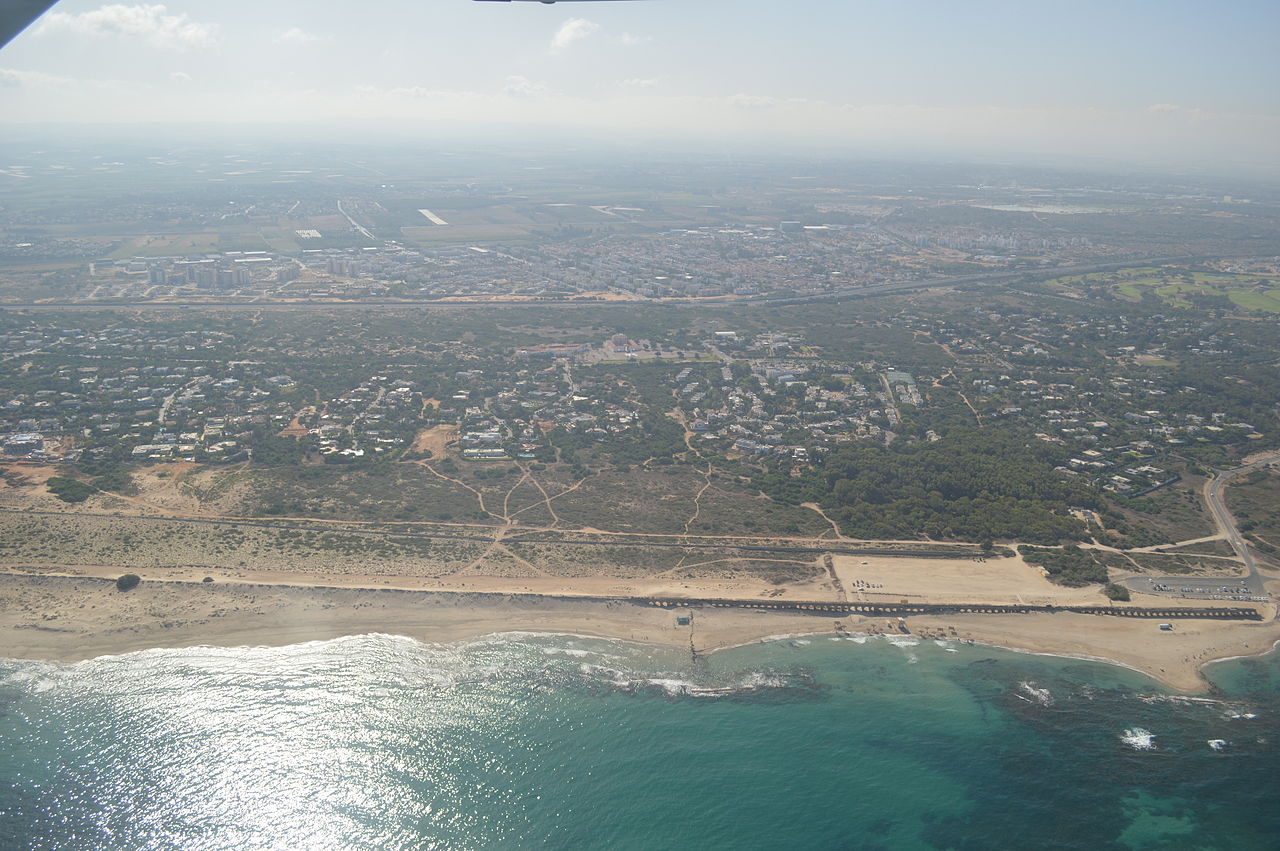
Caesarea, often called Caesarea Maritima in archaeological and historical literature, is a coastal site in north-central Israel. The name survives in several languages: קֵיסָרְיָה (Hebrew), قيسارية (Arabic) and Καισάρεια (Greek). It lies on the Mediterranean coastal plain roughly midway between Tel Aviv and Haifa, near Hadera and within the modern state of Israel. The site includes extensive visible ruins from the classical period alongside a 20th‑century residential and leisure community.
Image gallery
10 Images



Names and origins
The city was established by Herod the Great around 25–13 BCE as a purpose‑built port and administrative centre. It was named to honour the Roman emperors (Caesar) and is distinguished by the epithet Maritima to indicate its maritime function. The project combined large civic monuments with engineered harbour works intended to support long‑distance trade and provincial governance.
Archaeology and surviving monuments
Excavations at Caesarea have exposed a remarkable sequence of Roman and Byzantine urban fabric. Key elements include the artificial harbour and breakwater built with pioneering Roman maritime concrete, a large amphitheatre that is still used for performances, public baths, mosaic floors, a preserved aqueduct system and remnants of colonnaded streets. Among notable finds is an inscription mentioning Pontius Pilate, which helped confirm his historical role in the province. Conservation and archaeological research continue to clarify construction techniques and the city’s layout.
Historical development
Under the Roman Empire Caesarea functioned as the province’s administrative centre and a focal point for imperial and provincial institutions. During the Byzantine era it remained an important urban and ecclesiastical centre. In the 7th century the town became contested during the Muslim conquest of the Levant and was among the last coastal cities to fall; it later experienced periods of Arab and Crusader control and was ultimately abandoned after the Mamluk conquest in the later medieval period. The long sequence of occupations documents transitions from Hellenistic and Roman institutions to Byzantine Christianity, early Islamic governance and the Crusader presence.
Late Ottoman period and modern settlement
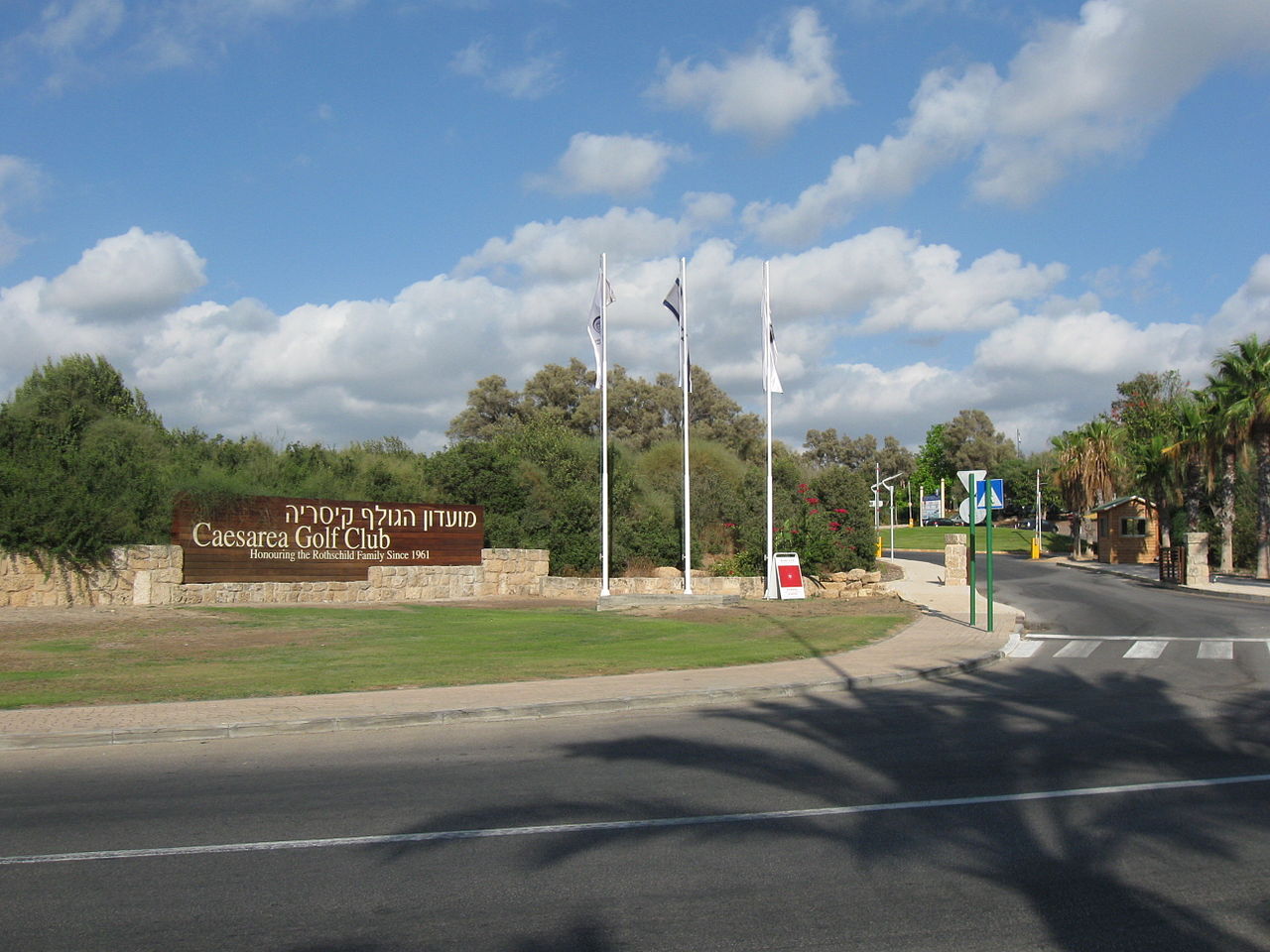
Centuries after its medieval decline, a small fishing settlement was established near the ruins in 1884 by immigrants from Bosnia. In 1952 a modern Jewish town named Caesarea was founded adjacent to the archaeological site. The contemporary community is unusual in Israel because much of the locality and development are managed by a private entity, the Caesarea Development Corporation; the community is not constituted as a conventional local council.
Importance, research and conservation
Caesarea is significant both for scholarly research and public education. The harbour is an important case for studying ancient maritime engineering and Roman concrete technology, while the urban remains illuminate provincial administration, urban planning and daily life. Archaeological work at the site is combined with conservation measures and public outreach: excavated areas are presented within a national park, and the restored amphitheatre and other venues host cultural events that connect archaeology with contemporary use.
Visitor information and quick facts
- Names and scripts: see the Hebrew name, the Arabic name and the Greek name.
- Location: on the Mediterranean coastal plain between Tel Aviv and Haifa, near Hadera in Israel.
- Founder: built by Herod the Great in the late 1st century BCE.
- Historic phases: flourishing under the Roman Empire and Byzantine period; contested during the early Islamic conquests; affected by Crusader and later Mamluk rule.
- Modern administration: privately managed development; not a standard local council.
Visitors encounter a rare combination of large‑scale maritime engineering, civic monuments and active conservation. The site remains a focus for archaeological publication and fieldwork, and its layered remains help illustrate the shifting political, religious and economic landscapes of the eastern Mediterranean across more than a millennium.
Questions and answers
Q: What is the name of the town in north-central Israel?
A: The town is called Caesarea (Hebrew: קֵיסָרְיָה, Kaysariya or Qesarya; Arabic: قيسارية, Qaysaria; Greek: Καισάρεια).
Q: Who built the city of Caesarea Maritima?
A: Caesarea Maritima was built by Herod the Great about 25–13 BC.
Q: What was Caesarea's role during Roman rule?
A: During Roman rule, Caesarea was the administrative center of Judaea.
Q: When did Arab Muslims conquer Caesarea?
A: The city was conquered by Arab Muslims in the 7th century.
Q: Who re-populated Caesarea in 1884?
A: In 1884, Bosniak immigrants settled in a small fishing village and re-populated it.
Q: When did a Jewish town of Caesarea get established near the ruins of old city ? A: The Jewish town of Caesarea got established near the ruins of old city in 1952 .
Tags
Related articles
Author
AlegsaOnline.com Caesarea (Caesarea Maritima): ancient port and modern town in Israel Leandro Alegsa
URL: https://en.alegsaonline.com/art/15950
Sources
- ahdictionary.com : "Caesarea" in the American Heritage Dictionary
- caesarea.com : About the CDC
- britannica.com : "Caesarea"