
Gwynedd (North‑West Wales): geography, history and culture
Gwynedd is a largely rural area of north‑west Wales, noted for Snowdon, a long varied coastline, strong Welsh language and slate‑quarrying heritage, with national park, historic towns and outdoor recreation.
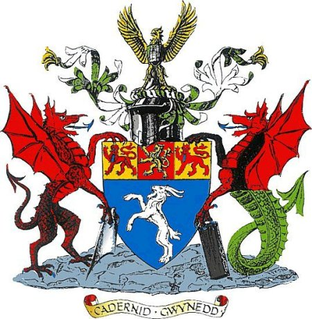
Gwynedd occupies a large portion of north‑west Wales and combines dramatic uplands with a long, varied coastline. The name refers both to an early medieval kingdom and to modern administrative areas; the region remains strongly associated with Welsh language and culture. For a regional overview see Gwynedd overview.
Image gallery
9 Images





Geography and landscape
The county includes extensive mountain ranges, moorland and valleys. Its best known summit is Snowdon (Yr Wyddfa), the highest mountain in Wales, which is a focal point for walkers and naturalists; further information is available at Snowdon. The coastline stretches for many miles and contains cliffs, sandy bays and sheltered inlets, notably along the Llyn Peninsula; a general coastal guide is at the coast of Gwynedd. The mix of mountains, shore and upland habitats supports diverse wildlife and a wide range of outdoor pursuits.
Administrative divisions and towns
Administrative boundaries in north‑west Wales have changed over time and the area has been divided in various ways. At one stage the county was organised into districts including Aberconwy, Arfon, Dwyfor, Meirionnydd and Anglesey; historical and administrative detail can be consulted via districts and governance. Major population centres include Bangor, with its university and cathedral, and Caernarfon, known for its castle and maritime setting. Numerous smaller towns and villages retain strong local identities.
History, language and culture
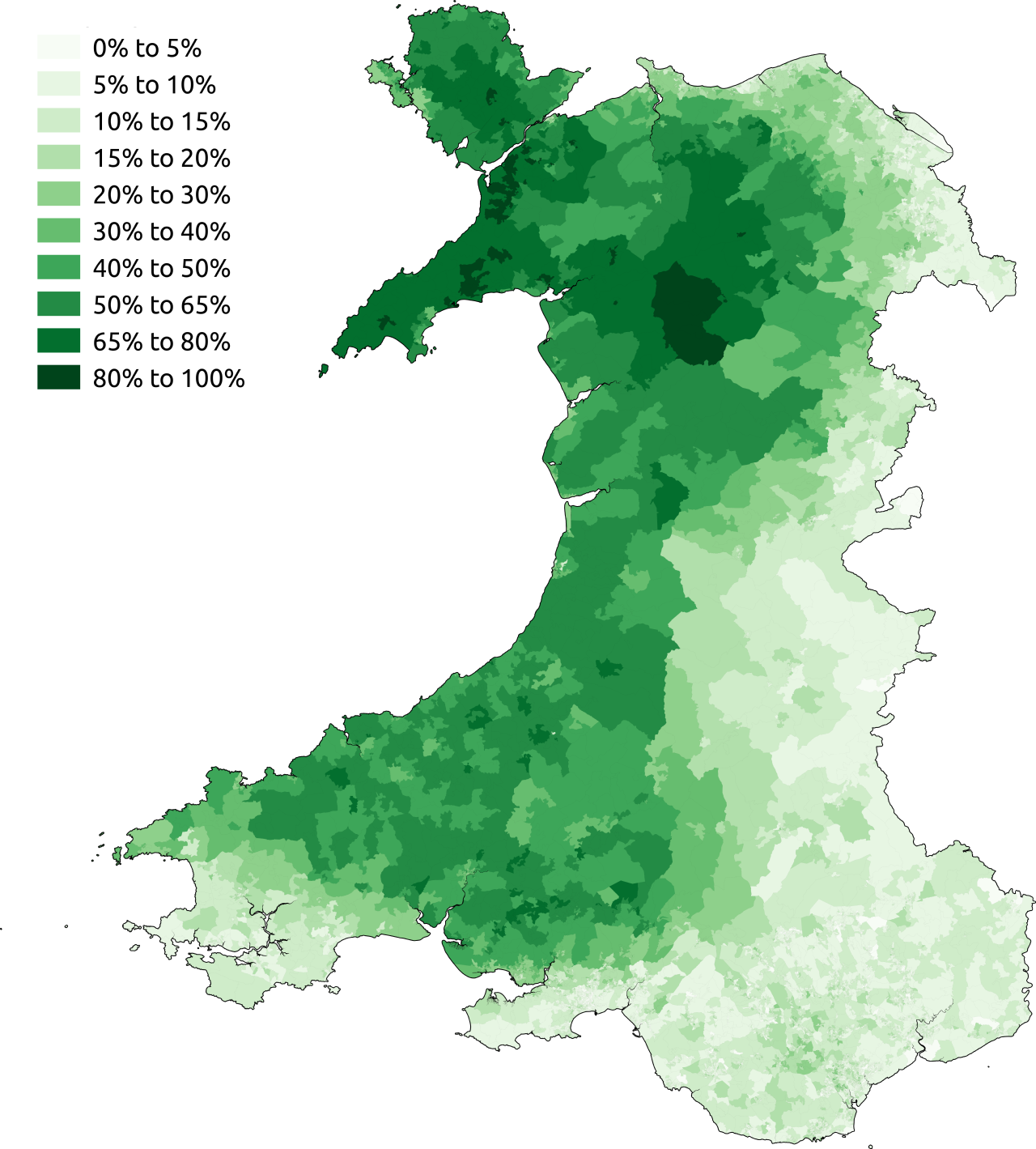
Gwynedd was the heartland of the medieval Kingdom of Gwynedd and retains a strong sense of Welsh identity. It is one of the parts of Wales with a high proportion of Welsh speakers and a lively tradition of music, poetry and community festivals. Industrial heritage — especially slate quarrying — shaped many communities; surviving quarry landscapes, transport remnants and museums interpret this past for visitors.
Economy, transport and conservation
The local economy combines tourism, agriculture, education and small‑scale industry. Snowdonia National Park covers much of the upland area and provides a framework for conservation and recreation. Good road and rail links connect towns and rural communities to the rest of Wales and beyond; for broad geographical notes and summaries see regional geography resources.
Attractions and significance
- Snowdonia National Park and its well‑known mountain routes.
- Historic sites such as Caernarfon Castle and other medieval remains.
- Slate quarrying landscapes, industrial heritage trails and museums.
- Diverse coastal habitats, beaches and birdwatching opportunities.
Gwynedd’s combination of natural beauty, historical depth and living Welsh language culture makes it a prominent area for tourism, heritage studies and outdoor recreation in Wales. Practical visitor information, transport timetables and local services are provided by municipal and tourism organisations and specialist guides; search reputable local sources for up‑to‑date advice.
Related articles
Author
AlegsaOnline.com Gwynedd (North‑West Wales): geography, history and culture Leandro Alegsa
URL: https://en.alegsaonline.com/art/41585