
Burning Bush (biblical event and symbol)
A shrub described in Exodus that burned without being consumed; it announced God's call to Moses and has been interpreted theologically, symbolically, botanically, and culturally across traditions.
Overview
The Burning Bush is a landmark episode in the Hebrew Bible (Book of Exodus) in which a bush is aflame yet not consumed. In the narrative the phenomenon serves as the setting for God’s revelation and the commissioning of Moses. The episode is brief in the text but has exerted a long influence on religious thought, art, and pilgrimage.
Image gallery
8 Images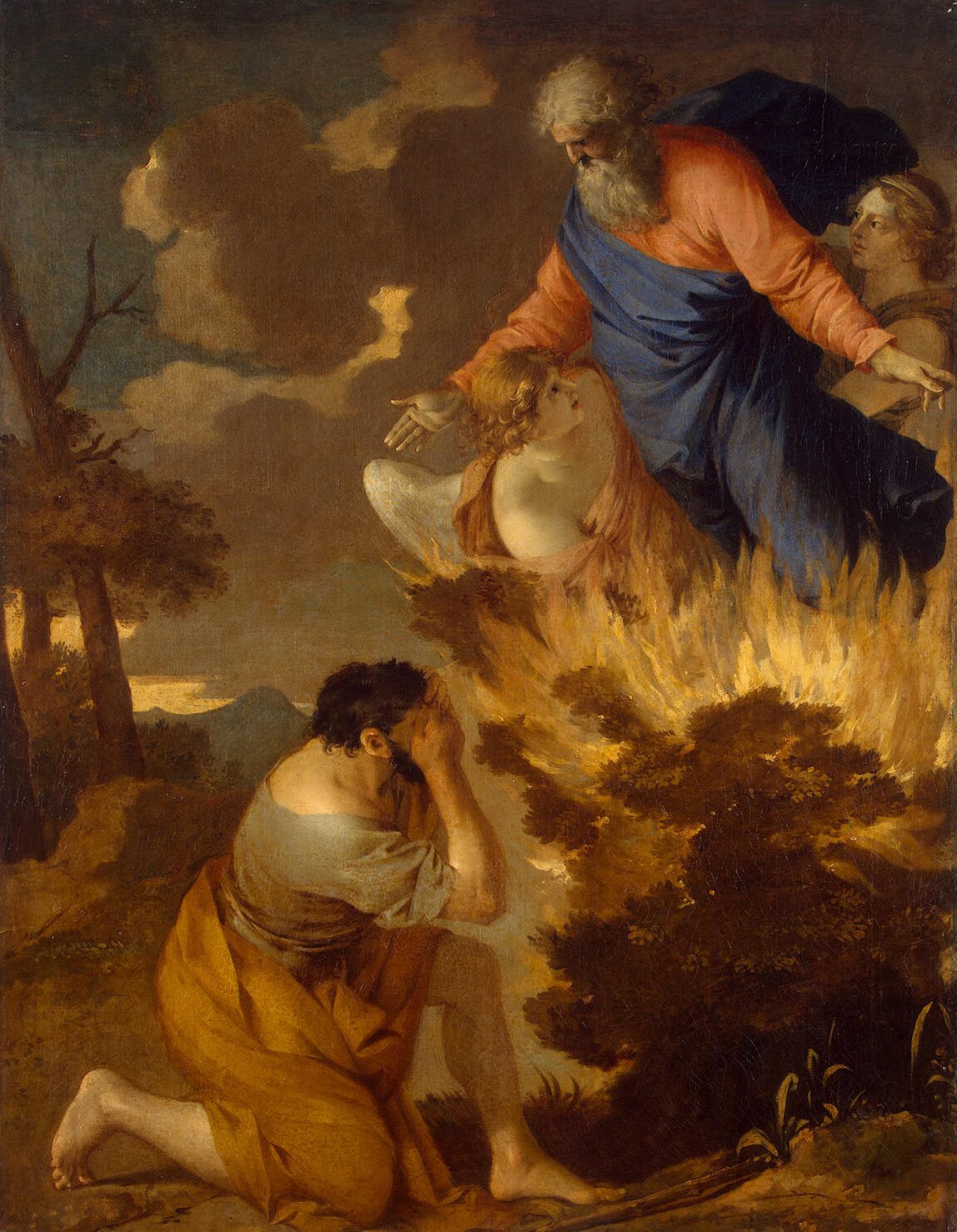




Narrative and theological significance
According to the biblical account, the bush appeared on a mountain traditionally called Horeb or Sinai. The voice that speaks from the flame identifies itself with the divine name and directs Moses to lead the Israelites out of Egypt and toward Canaan. The image of a fire that does not consume its fuel has been read as a sign of God’s immanence and transcendence: holiness that is present in the world yet not diminished by it. The episode introduces key themes in the Abrahamic traditions—calling, mission, and the disclosure of divine identity (commonly associated with the name revealed to Moses).
Historical and traditional sites
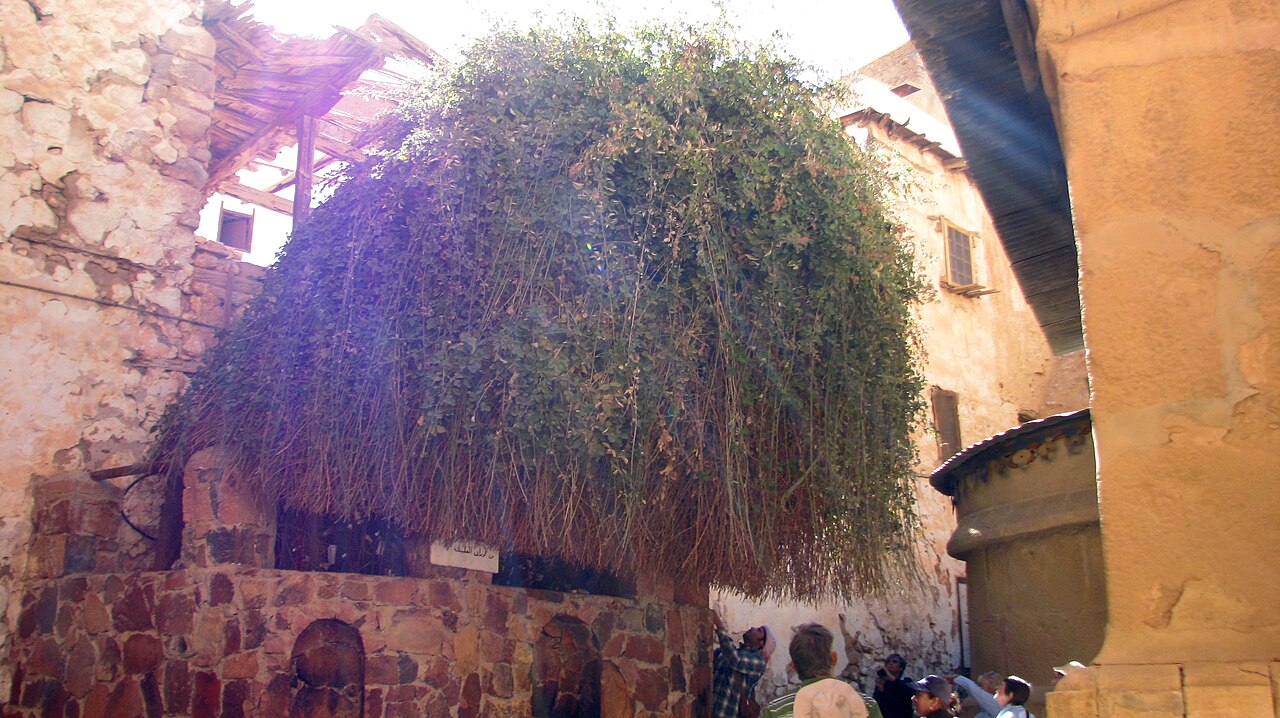
Later tradition links the event to mountain sites in the Sinai peninsula, and several monasteries and shrines claim a connection. One of the most famous is a shrub venerated at the monastery on the traditional Mount Sinai, which visitors regard as a focal point for devotion and memory. Such claims are devotional and commemorative; historical verification of the precise location is not possible from the ancient texts alone.
Botanical and interpretive approaches
Scholars and commentators have advanced a range of readings. Interpretive approaches include:
- Literal or historical readings that attempt to reconcile the description with a natural phenomenon;
- Botanical hypotheses that suggest thorny shrubs common in the region (various broom or acacia species) as candidates, though these remain speculative;
- Symbolic and theological readings that treat the unconsumed fire as metaphorical, emphasizing paradox and divine mystery.
Cultural legacy and distinctions
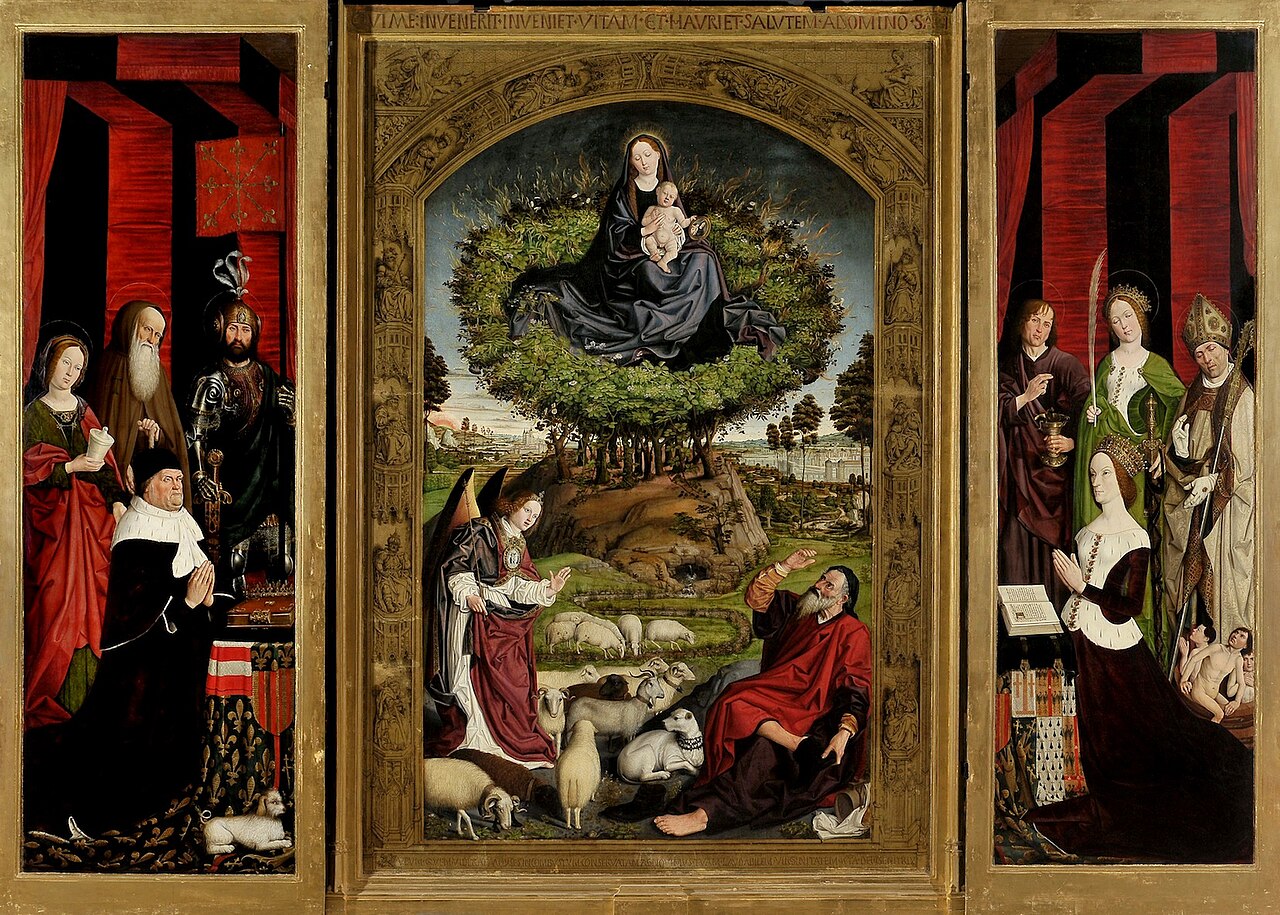
The Burning Bush has been a rich source for art, hymnody, and theological reflection in Jewish, Christian and interfaith contexts. In Christian iconography it often symbolizes virginity or Christ’s presence; in Jewish exegesis it underscores God’s ongoing relationship with Israel. Islamic tradition recognizes Moses’ prophetic call at Sinai, though the bush image plays a less central role in the Qur’an. The episode’s appeal lies in its combination of the everyday (a bush) with the extraordinary (divine speech), a contrast that has made it a durable emblem across traditions.
For further reading on the biblical text and its reception, see commentaries and histories that treat Exodus 3 in literary, historical, and theological perspective. Many modern editions and studies are available online and in print; scholarly works examine the narrative’s language, ancient context, and later uses in worship and art. For quick reference about the person called in the scene, see Moses; for the divine figure who speaks, see God.
Tags
Related articles
Author
AlegsaOnline.com Burning Bush (biblical event and symbol) Leandro Alegsa
URL: https://en.alegsaonline.com/art/15497
Sources
- tools.wmflabs.org : Exodus 3:4