
Burke and Wills expedition (Victorian Exploring Expedition)
An account of the 1860–61 Victorian Exploring Expedition led by Robert O'Hara Burke and William John Wills: its route, leadership, failure on return, and lasting significance in Australian exploration.
Overview
The Burke and Wills expedition, officially the Victorian Exploring Expedition, was one of the most ambitious inland journeys in 19th‑century Australian history. Led by Robert O'Hara Burke (Burke) and William John Wills (Wills), the party set out from Melbourne on 20 August 1860 with the goal of crossing the continent from south to north. They reached the vicinity of the Gulf of Carpentaria on 9 February 1861, becoming the first expedition from the south to attain that region. The return journey, however, ended in tragedy when Burke and Wills died at Cooper Creek, largely from lack of food and the rigours of desert travel (starvation).
Image gallery
10 Images





Route and logistics
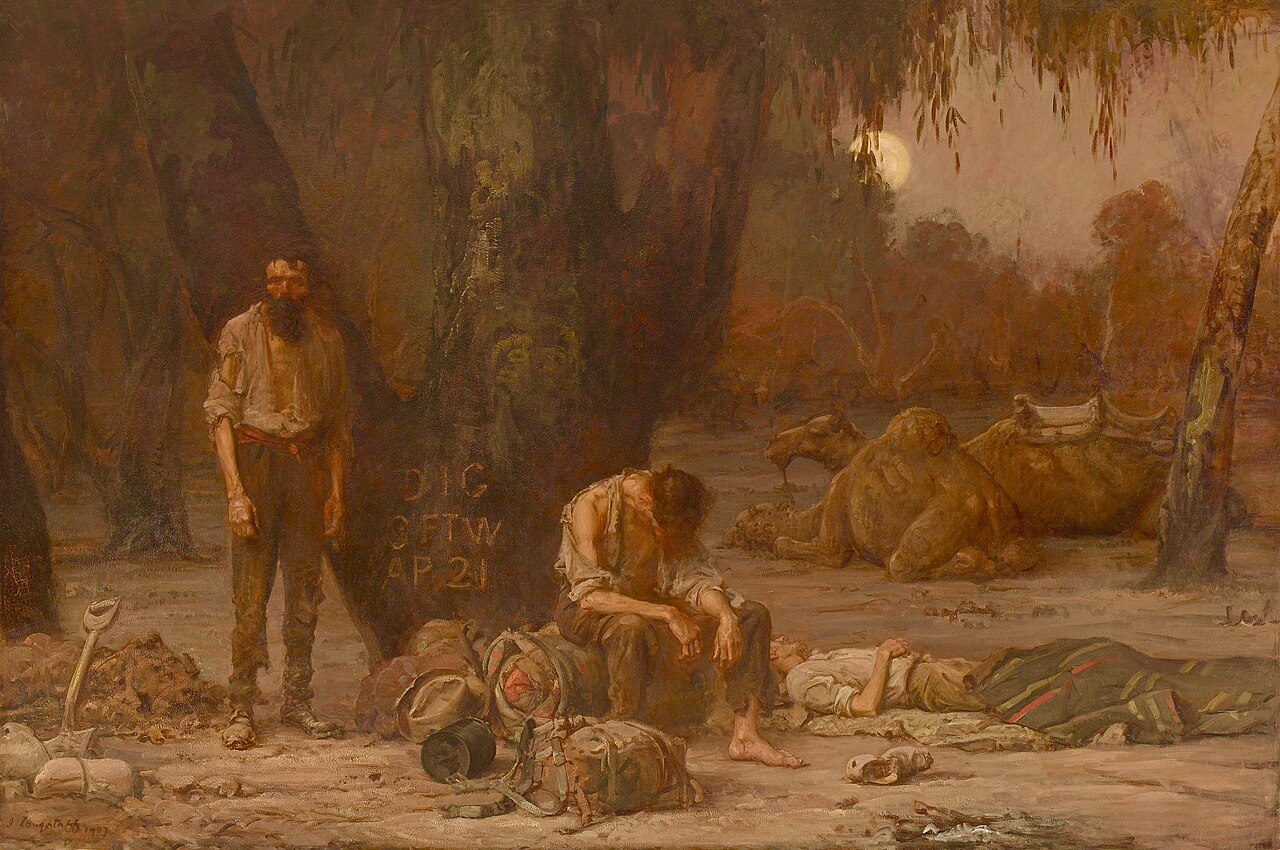
The expedition travelled across varied terrain—farming country, semi‑arid plains and river systems—relying on depots and supply parties to support the central advance. A small party pushed ahead to the north while other teams were meant to hold caches at strategic points. Miscommunication and timing errors around those supplies were central to the disaster. One of the most famous and poignant episodes was a near‑miss at Cooper Creek when a support party left a depot hours before Burke's return; the supplies they buried later became known to the public as the "Dig Tree" site.
Leadership, roles and relations
Burke, an Irish‑born army officer and police superintendent, was chosen as the expedition commander though he had limited bush experience; Wills served as surveyor, navigator and astronomer with scientific training. Differences in experience, command style and planning have been widely cited by historians as contributing factors in the expedition's difficulties. Interactions with local Indigenous people were variable: some Indigenous groups helped members survive, notably aiding the sole survivor of the final party, while other contacts were strained by cultural misunderstandings.
Outcome and aftermath
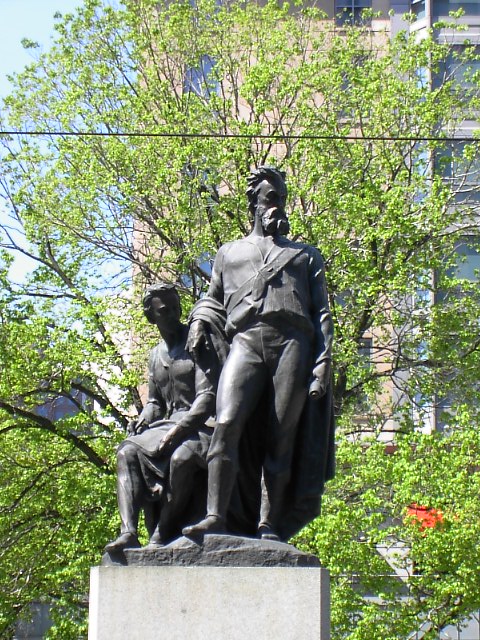
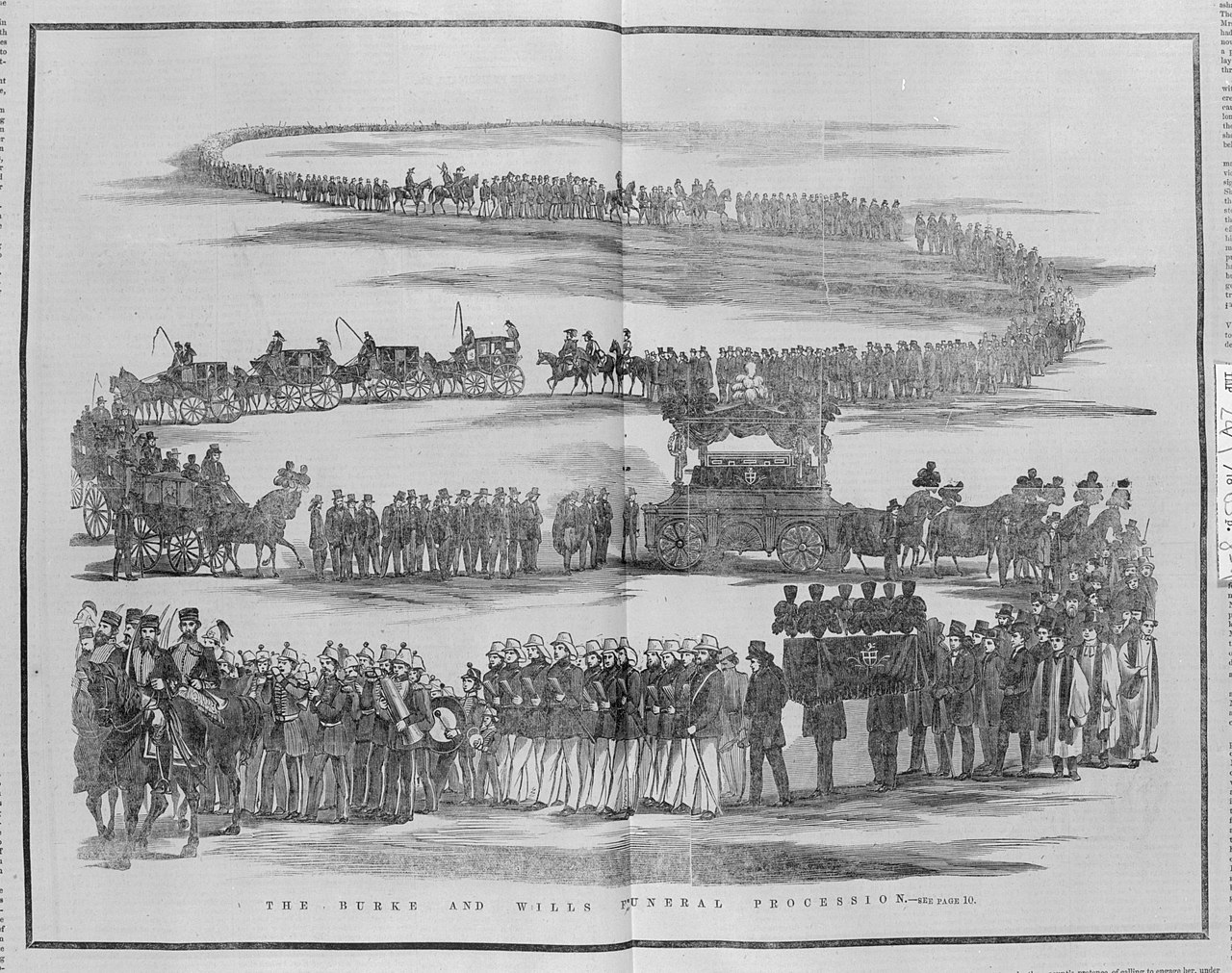
The deaths of Burke and Wills prompted immediate public shock and a series of search missions. Rescue and recovery efforts, led by figures such as Alfred Howitt, located the remaining survivors, retrieved the bodies and returned them to Melbourne. The episode sparked debate about expedition organisation, leadership, and the need for local knowledge in inland travel. Monuments, commemorations and the Cooper Creek "Dig Tree" remain part of the expedition's public memory.
Legacy and notable facts
- The journey demonstrated both the possibilities and dangers of continental exploration in Australia.
- It highlighted the importance of careful planning, reliable supply lines and respect for Indigenous expertise.
- The expedition is often discussed in studies of exploration, colonial ambition and national identity in 19th‑century Australia.
For further reading about its place in Australian exploration and the lives of its leaders, see entries on Robert O'Hara Burke, William John Wills and accounts of travel from Melbourne to the Gulf of Carpentaria. Primary sites and records related to Cooper Creek and the "Dig Tree" are frequently cited in retrospectives of this tragic expedition (starvation and exposure being recorded causes), and modern discussions reassess the expedition's planning and its interactions with Indigenous Australians.
Related articles
Author
AlegsaOnline.com Burke and Wills expedition (Victorian Exploring Expedition) Leandro Alegsa
URL: https://en.alegsaonline.com/art/15441
Sources
- burkeandwills.net.au : "Melbourne to the Gulf: A brief history. Chapter 4"
- burkeandwills.net.au : "Melbourne to the Gulf: A brief history. Chapter 11"