
Buddha Dhatu Jadi — Bandarban Golden Temple
A Theravada Buddhist monastery and pilgrimage site near Bandarban, Bangladesh, known for its Arakanese-style gilded stupa, relics (dhatu) of the Buddha and a large Buddha statue.
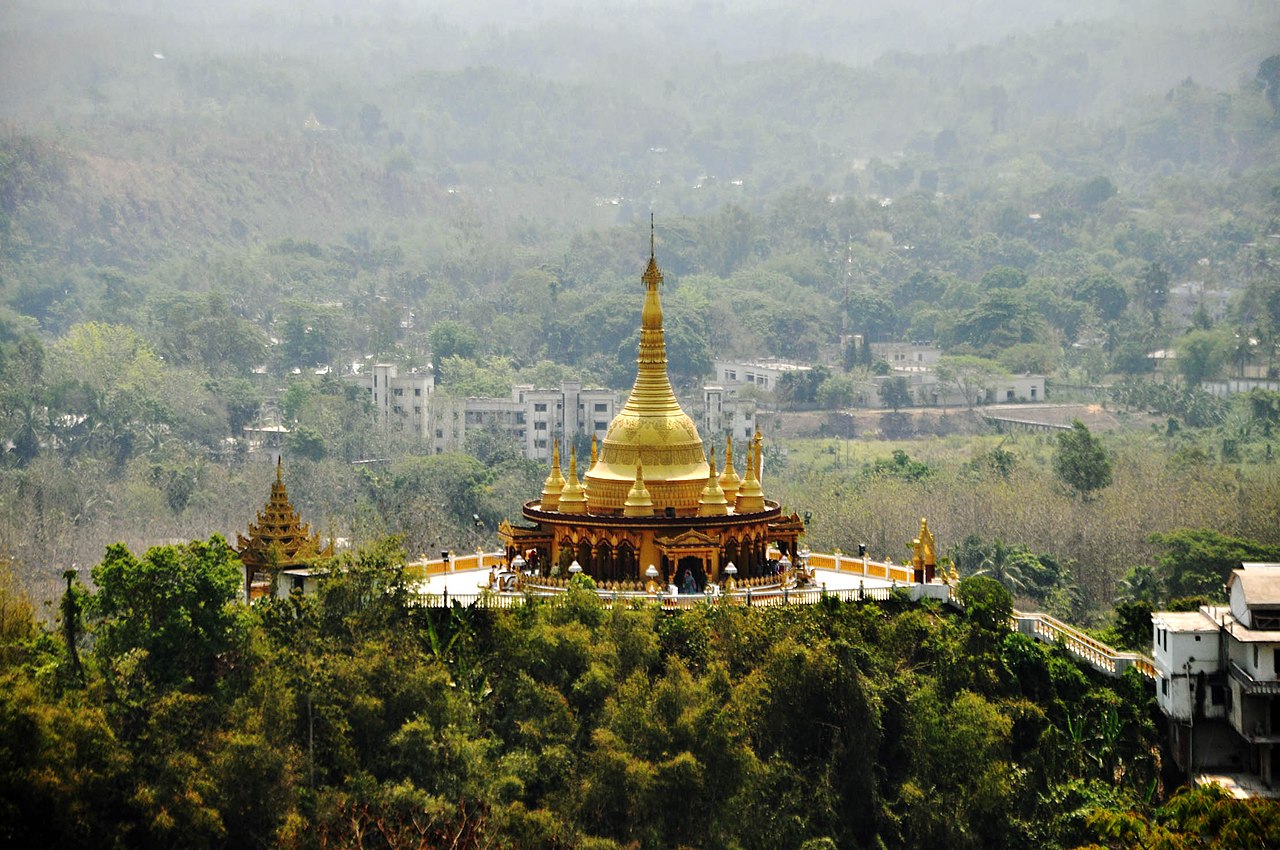
The Buddha Dhatu Jadi, commonly called the Bandarban Golden Temple, is a prominent Buddhist shrine located a short distance above Balaghata town in Bandarban City. The complex bears a Burmese-language name that appears on local signs and in devotional use: ဗုဒ္ဓဓာတုစေတီ. The site functions as both a monastery and a public temple (Buddhist temple), attracting devotees, local worshippers and visitors to the hilly southeastern region of Bangladesh. Perched on a ridge, the temple offers panoramic views of the surrounding hills and is visible from parts of Bandarban township.
Image gallery
10 Images


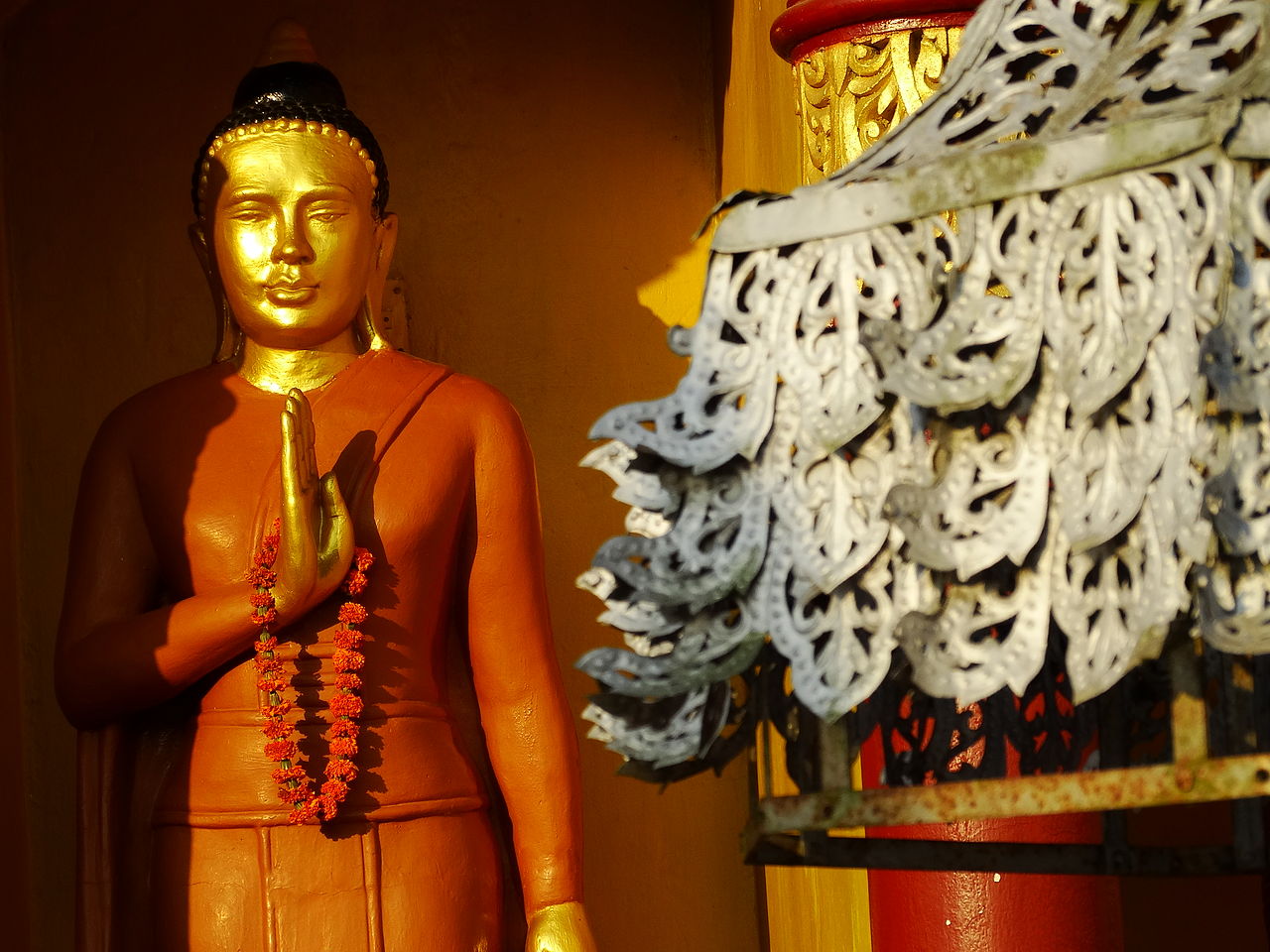



Relics and religious significance
The name of the shrine highlights the presence of dhatu or relic material. The term dhatu (also called skandha) refers to physical remains or relics associated with a spiritually important person. The Buddha Dhatu Jadi is reputed to enshrine relics connected with the historical Buddha, and this association makes the site an important focus for pilgrimage and devotional practice in the region. Relic veneration is a long-established feature of many Buddhist traditions and helps define the temple’s ritual calendar and the composition of nearby religious events.
Tradition and community
The temple is affiliated with the Theravada school of Buddhism, which is practiced by many communities in the Chittagong Hill Tracts. Local worshippers include a number of hill-people groups often referred to collectively in the region as Chittagonian tribal communities; these groups maintain distinctive linguistic and cultural practices and have long-standing connections to Theravada rites. The shrine thus functions not only as a religious center but also as a locus for expressions of local ethnic identity, social gatherings and the transmission of regional religious customs.
Architecture and artistic features
Completed around the year 2000, the complex is notable for a gilded stupa and ornamentation that draw on an Arakanese visual vocabulary. Builders and artisans working on the site adopted elements of Arakanese temple design—an architectural style shared across coastal areas of Myanmar and adjacent regions—while adapting motifs and materials to the hilly landscape. Typical features include multi-tiered roofs, richly decorated eaves and a main shrine room that contains the principal Buddha statue. The statue is often described in guide accounts as among the larger Buddha images in the country, and the overall complex is recognized locally as one of the largest centers of Theravada practice in Bandarban district.
Ritual life and festivals
A range of devotional activities takes place at the temple throughout the year. Daily observances commonly include chanting, meditation sessions led by the resident monastic community, and alms-giving by lay supporters. Periodic festivals and observances follow the Theravada liturgical rhythm; during these occasions the shrine receives larger numbers of pilgrims who come to venerate the relics, participate in communal offerings and listen to Dhamma talks. Such events also provide opportunities for cultural exchange between hill communities and visitors.
Access, visitation and practical information
The shrine is accessible from Bandarban town and nearby Balaghata, and is frequently included on local itineraries for visitors exploring the hill tracts. Roads climb into the hills and parking areas near the compound support short walks up to the temple entrances. Visitors are asked to observe customary practices of dress and conduct at Buddhist shrines—modest clothing, removal of footwear before entering temple buildings and respectful behavior during services are standard. Practical information, visiting hours and arrangements for guided visits are often available through local tourism offices and the resident monastery; travelers may consult local sources for the most current guidance (temple information, Balaghata area).
Conservation, management and cultural context
The site is maintained by the resident monastic community in cooperation with local supporters and volunteers. Conservation efforts typically focus on routine upkeep of gilded surfaces, structural repairs suited to the hilly environment and the care of ritual objects. As a relatively recent foundation, the temple illustrates how contemporary religious patronage, regional identity and cross-border architectural influences (notably Arakanese forms of architecture) combine to produce new centers of devotion. The presence of relics and an imposing Buddha image contributes to the shrine’s status as a pilgrimage destination for Buddhists within Bangladesh and for visitors from neighboring areas.
Notable facts and further reading
- The complex is commonly known as the Bandarban Golden Temple because of its gilded appearance and prominent hilltop location.
- Accounts describe the principal Buddha image at the site as among the larger statues in the country; the shrine’s claim to house relics increases its religious significance.
- For visitors interested in architecture, the temple offers a compact example of how Arakanese-inspired decorative forms were adapted in a Bangladeshi hill-tract setting.
Readers seeking up-to-date visitor details, event schedules or scholarly information about relic veneration and regional Buddhist practices may consult local guides and academic resources. The Buddha Dhatu Jadi remains an active monastic center and a living expression of Theravada devotion in the hills of Bandarban.
Tags
Related articles
Author
AlegsaOnline.com Buddha Dhatu Jadi — Bandarban Golden Temple Leandro Alegsa
URL: https://en.alegsaonline.com/art/15070
Sources
- faceofbangla.com : "Golden Temple, Bandarban"
- flyingzypher.multiply.com : "Balaghata: Golden Temple"
- buddhistchannel.tv : "The Golden Temple of Bangladesh"
- books.google.com : Bangladesh