
Callanish Stones (Calanais) — Neolithic stone circle on Lewis
A prehistoric stone circle and cruciform monument on the Isle of Lewis, Scotland, famed for its Neolithic origin, lunar alignments and role as a major archaeological and cultural site.
Overview
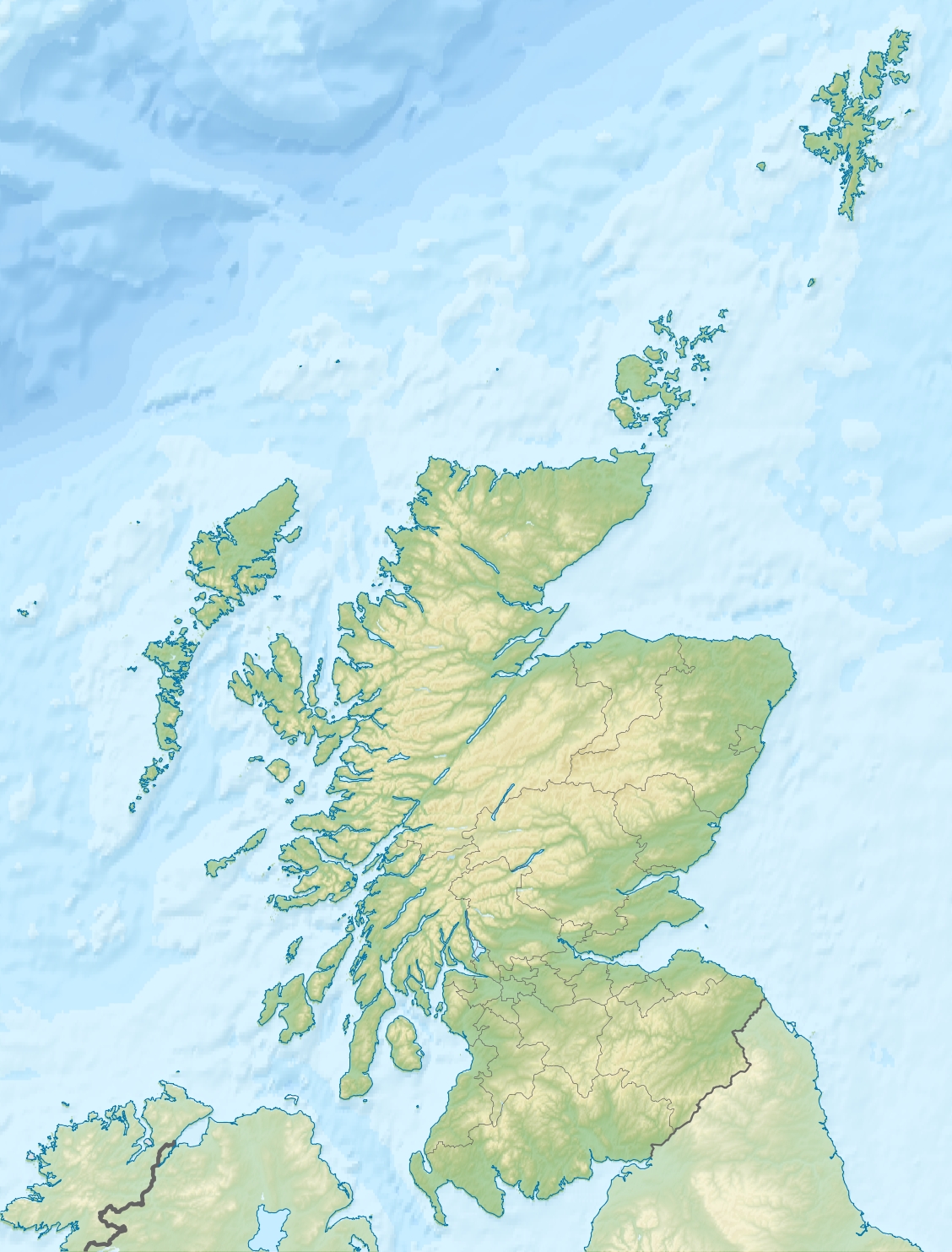
The Callanish Stones, often called Calanais in Gaelic, stand beside the village of Callanish on the west coast of the Isle of Lewis. This dramatic group of standing stones is one of the best known megalithic monuments in Scotland and forms the focal point of a wider prehistoric complex on the island. The site attracts archaeologists, visitors and those interested in ancient astronomy.
Image gallery
9 Images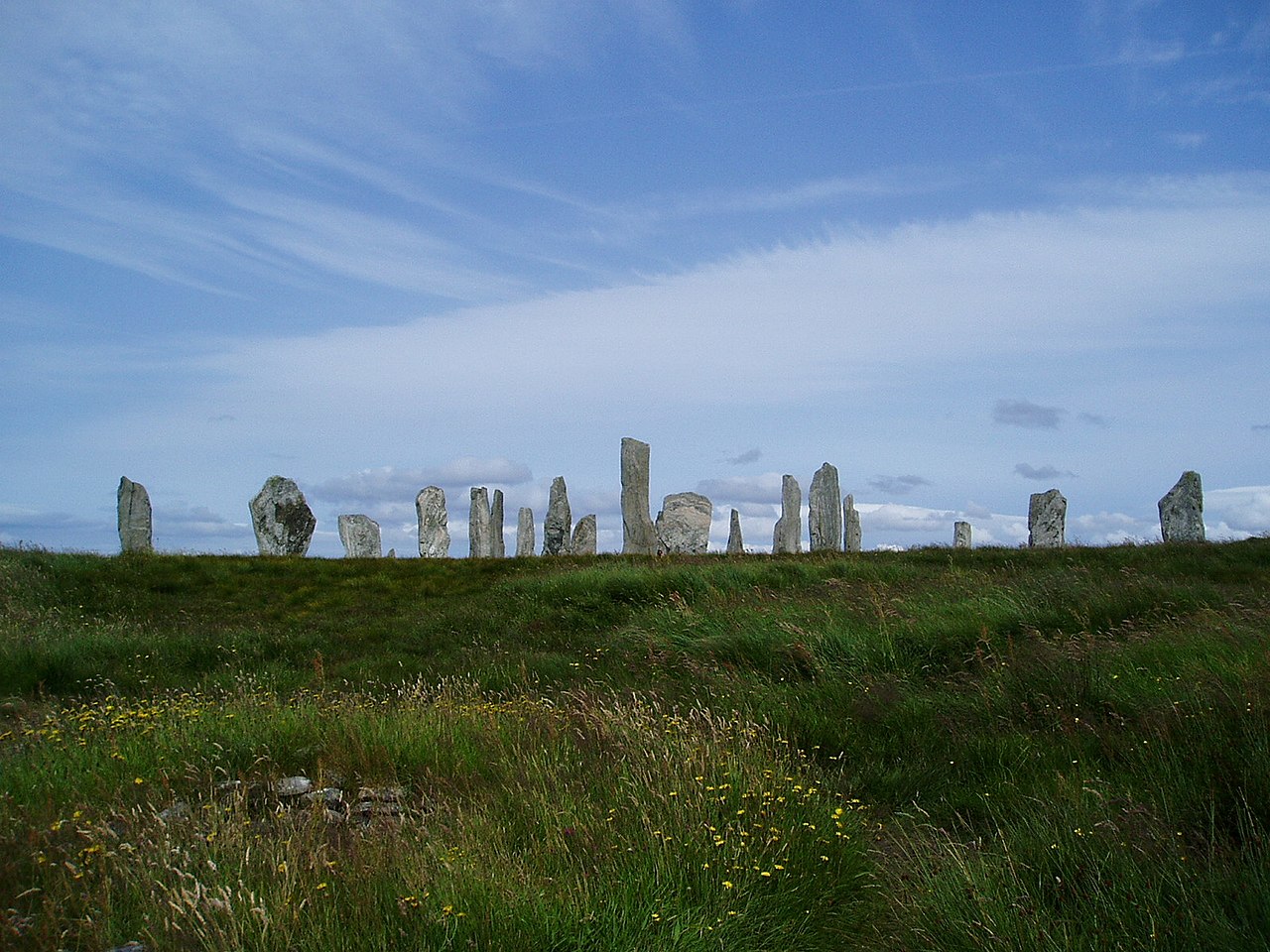




Layout and features
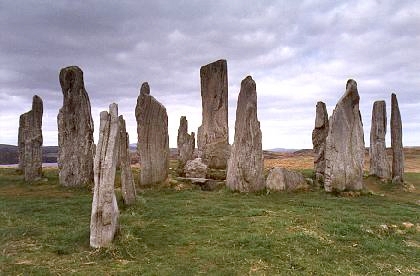
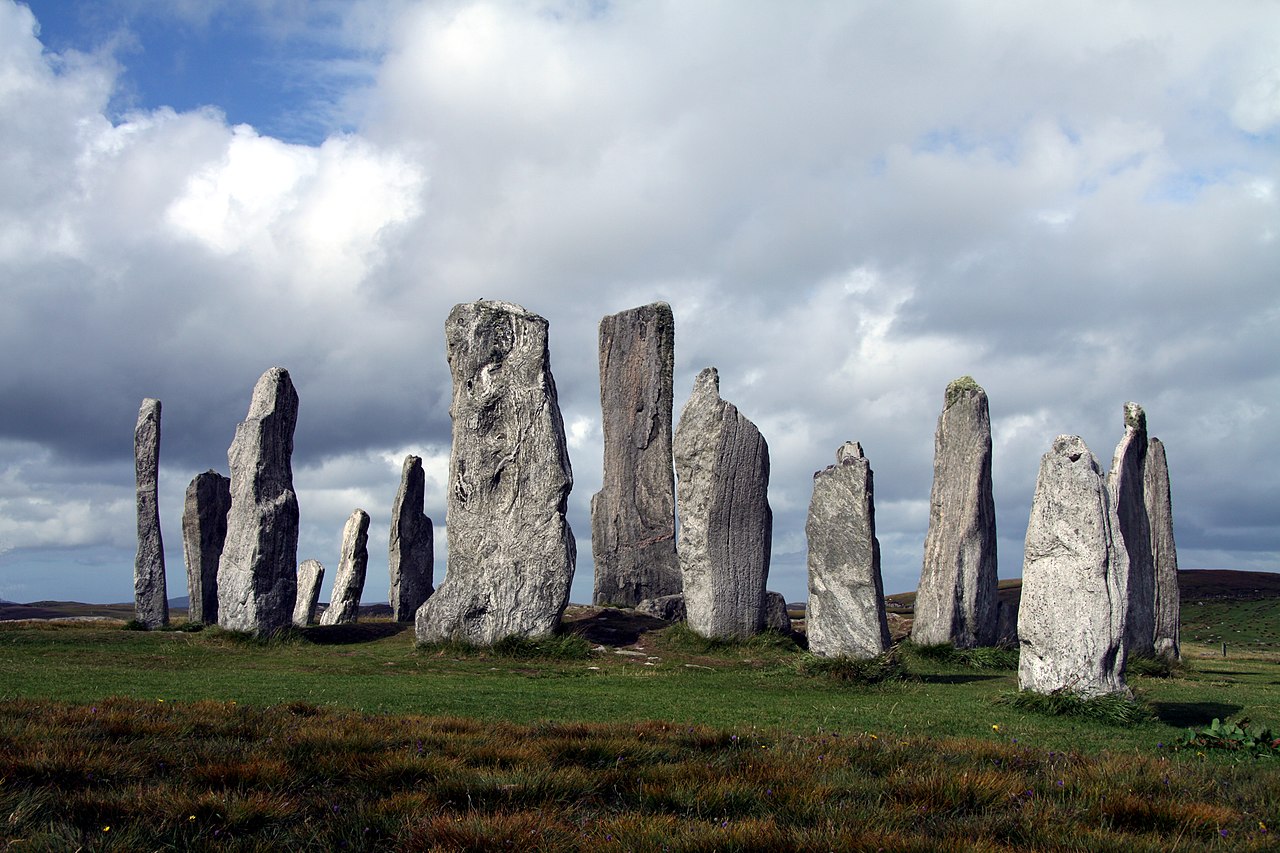
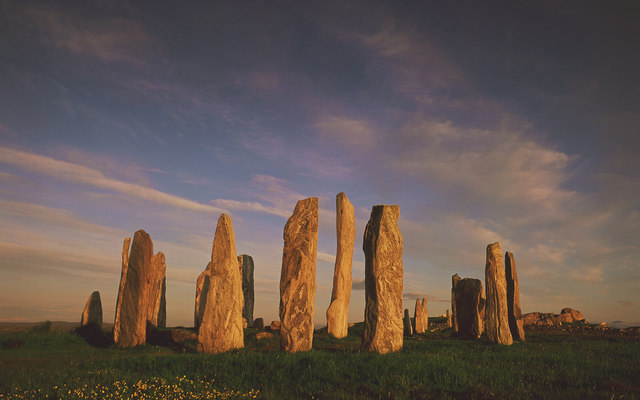
The principal arrangement at Callanish is a cruciform setting: a ring of upright stones with a larger central monolith and rows of stones or "avenues" radiating away from the circle. The main circle contains a set of long, upright slabs that rise from the peat-covered moor. Around the primary circle are several smaller circles and isolated standing stones that together form a broadly connected ritual landscape.
Age, origin and possible function
Built in the late Neolithic and early Bronze Age, the stones are several thousand years old. Archaeological study suggests the site was used for repeated ceremonial activity rather than as a permanent settlement. Many researchers propose that the layout encodes deliberate alignments with celestial events — most famously aspects of the moon's long cycle — and that gatherings or rites took place here.
Archaeology and research
Excavations and survey work over the twentieth and twenty-first centuries have revealed traces of worked surfaces, platforms and associated deposits that indicate episodic construction and use. The Callanish complex includes subsidiary sites and burial features in the surrounding landscape, making it a rich source for understanding prehistoric ritual and landscape management.
Significance, legends and preservation
Locally the stones figure in folklore — stories describe people turned to stone for dancing on the Sabbath and other traditional tales. Today the monument is protected as a scheduled ancient monument and interpreted for visitors by heritage organizations. It is widely compared to other British megalithic sites for its clear ritual design and its long-standing appeal to scholars and the public alike.
Quick facts and visitor notes
- Location: near Callanish (Gaelic: Calanais) on the Isle of Lewis.
- Region: Outer Hebrides of the Western Isles, Scotland.
- Features: central monolith, stone circle, radiating avenues and satellite sites.
- Visiting: the site is accessible to the public; visitors are asked to treat the stones and surrounding terrain with care.
Ongoing study continues to refine understanding of Callanish’s construction phases and its role within Neolithic Britain. For those interested in prehistoric astronomy, archaeology or Scottish heritage, Callanish remains a compelling and evocative example of ancient monumental landscape planning.
Related articles
Author
AlegsaOnline.com Callanish Stones (Calanais) — Neolithic stone circle on Lewis Leandro Alegsa
URL: https://en.alegsaonline.com/art/16168