
Amphitheatre: design, history and modern uses
An amphitheatre is a circular or oval performance space with ascending seating. This article explains its structure, historical development from antiquity, typical uses, and differences from other theatres.
Overview
An amphitheatre is an architectural structure designed to host performances, sports and public spectacles. Unlike a proscenium theatre, an amphitheatre usually surrounds a central flat area on more than one side so that spectators enjoy unobstructed sightlines from rising tiers of seats. The term can describe ancient stone arenas and modern open-air venues alike; see architectural structure for related forms.
Image gallery
8 Images


Parts and characteristics
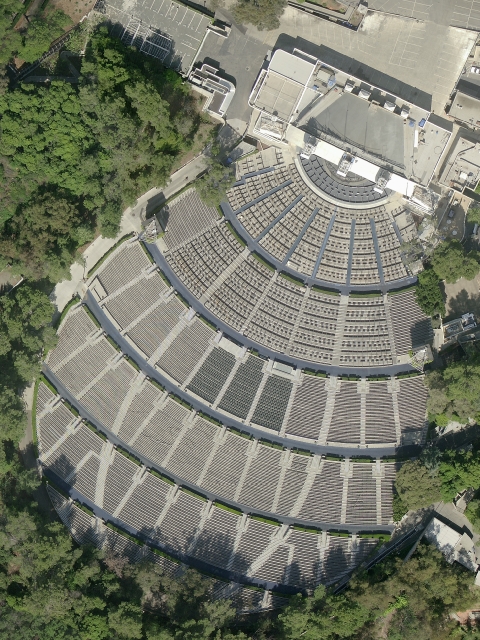
Typical elements include the central arena or stage, concentric seating tiers, access passages and entryways (often called vomitoria in Roman examples), and perimeter walls or façades. Plans are frequently elliptical or circular, giving even distribution of spectator views and predictable acoustics. Materials range from carved stone to reinforced concrete and lightweight modern materials for temporary installations. Many amphitheatres are optimized for spectator events with attention to sightlines, capacity and crowd circulation.
Origins and historical use
The amphitheatre form developed in the ancient world as societies sought places for communal entertainment. In Ancient Rome, purpose-built arenas accommodated large audiences for diverse public spectacles. These included combat spectacles such as gladiator combat, athletic contests and staged displays like chariot racing and mock sea battles, as well as punishments and executions. Earlier and contemporary Greek venues tended to be semi-circular theatres rather than fully encircling arenas; later Roman engineering produced grand freestanding amphitheatres.
Modern applications
Contemporary amphitheatres are used for concerts, drama, civic gatherings, and sporting exhibitions such as athletics and races. Outdoor music venues and campus quads called amphitheatres preserve the essential characteristics—tiered seating facing a central performance area—while adding modern amenities like lighting and sound reinforcement. Some indoor arenas borrow the amphitheatre name when audience seating surrounds a central event space.
Notable distinctions and examples
Key distinctions: a theatre is usually semi-circular and oriented toward a single stage; an amphitheatre surrounds its central space. Roman amphitheatres are notable for scale, engineering and public role. Surviving examples—ranging from the Colosseum and provincial arenas to preserved ruins in modern cities—are important archaeological and tourist sites. Representative names often discussed in literature include the Colosseum (Rome), Arena of Nîmes and Pula Arena; each illustrates variations in plan and use.
Importance and preservation
Beyond entertainment, amphitheatres reveal social organization, engineering techniques and urban priorities of their builders. Many ancient structures have been adapted for contemporary uses or conserved as heritage sites. For summaries and further reading consult general architectural resources and specialized studies via links such as architectural surveys and regional conservation pages (Ancient Rome studies).
Related articles
Author
AlegsaOnline.com Amphitheatre: design, history and modern uses Leandro Alegsa
URL: https://en.alegsaonline.com/art/3652