
What's My Line? — American panel game show and its legacy
What's My Line? was a long-running American panel game show (1950–67 on CBS) famous for celebrity Mystery Guests, polished wit, formal presentation, and enduring influence on radio, stage and international formats.
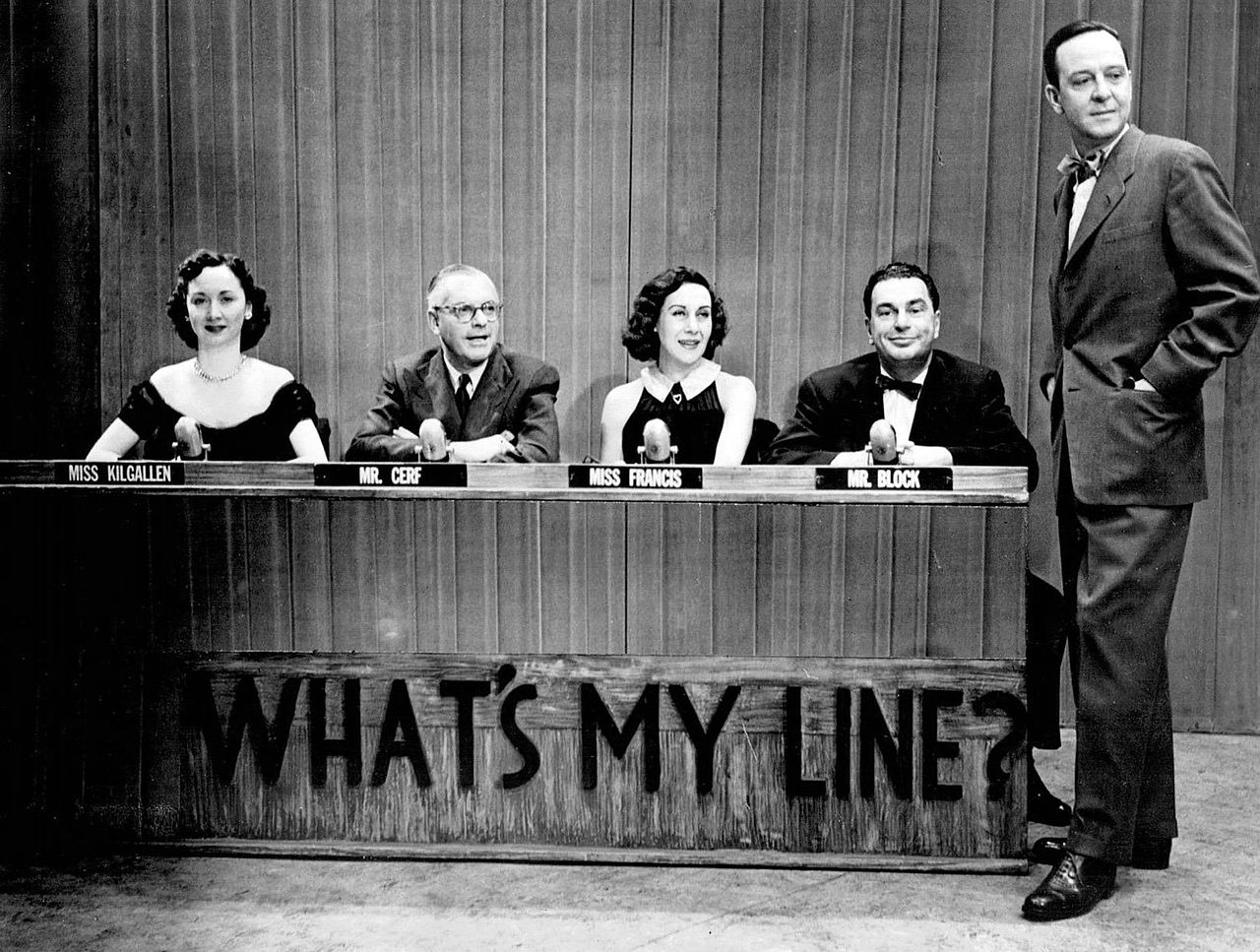
What's My Line? began as a televised panel game show produced for American audiences in the early 1950s. Broadcast in the United States, it reached viewers in a weekly timeslot on Sunday evenings and became associated with the network CBS. The program combined a simple guessing format with an elegant studio atmosphere: male panelists typically appeared in tuxedos while female panelists wore evening gowns, and the exchange of questions and answers was marked by urbane repartee led by host John Charles Daly, whose measured style helped create the show's distinctive, witty but restrained tone.
Image gallery
5 Images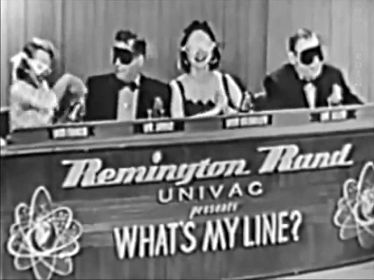


Format and regulars
The basic format presented ordinary people with unusual occupations or problems, and a panel of four members attempted to identify the person's job by asking only yes-or-no questions. Regular panelists included journalists and performers such as Dorothy Kilgallen and Arlene Francis, joined by a fourth seat often filled by a guest panelist. The show emphasized verbal skill, deduction, and light banter rather than physical stunts; its structure rewarded quick thinking and conversational chemistry among participants.
The Mystery Guest
A signature feature was the "Mystery Guest" segment. A well-known personality from stage or screen—often associated with Broadway or a movie star career—would take the stage while the panelists donned blindfolds. To make recognition harder, guests sometimes altered their voices; panelists then asked binary questions until one correctly identified the visitor. Although many guests were entertainers, the program occasionally invited prominent figures from other fields, including a small number of astronaut candidates and famous athletes. Notable appearances included stars and sports figures such as Mickey Mantle from the world of baseball, glamorous celebrities, and public figures who later moved into politics—one Mystery Guest would eventually serve as a future President, Ronald Reagan.
Broadcast history and recognition
Debuting in 1950, the program ran for many seasons in prime time and earned respect from critics and viewers for its polished production values. It received multiple industry honors, among them several Emmy Awards, and a Golden Globe during its network tenure. When the network series ended, producers later revived the concept in different forms, including a daily syndicated edition and special revivals in subsequent decades.
Adaptations, influence and legacy
The show's clear, repeatable structure lent itself to numerous adaptations. There were contemporary radio iterations that echoed the studio format, and broadcasters in other countries developed international versions that preserved the central guessing game and the occasional celebrity slot. In the history of American television, What's My Line? is often cited as a prototype for panel-based programming that blends celebrity appearances with viewer-friendly formats. Producers and historians point to its influence on later panel shows and on the idea that a game program can mix civility, humor and star power without relying on spectacle.
- Core format: limited yes/no questioning and deduction (panel concept)
- Presentation: formal dress and cultured banter (tuxedos, repartee)
- Signature element: the blindfolded Mystery Guest (celebrities from Broadway and film)
- Afterlife: radio, international remakes and stage adaptations
- Honors: multiple Emmy Awards and other industry recognition
Over time, What's My Line? became more than a single program: it served as a model for how a simple premise, carried out with wit and restraint, can enjoy long-term popularity and influence formats worldwide. For researchers of broadcast history and fans of classic television alike, the series remains an emblematic example of mid-20th-century American entertainment, notable for its civility, its moments of surprise and its memorable roster of guests and panelists.
Author
AlegsaOnline.com What's My Line? — American panel game show and its legacy Leandro Alegsa
URL: https://en.alegsaonline.com/art/147726