
Blindfold: Uses, types, history and cultural meanings
A blindfold is a covering for the eyes that prevents sight. This article explains forms, common uses (games, sleep masks, magic, restraint, erotic play), cultural symbolism and safety considerations.
Overview
A blindfold is a device, commonly a strip of cloth, placed securely over a person’s eyes to block vision. While simple in appearance, blindfolds serve many practical, recreational, symbolic and medical functions. Materials and styles vary from lightweight sleep masks to thicker coverings used to remove visual cues.
Image gallery
5 Images


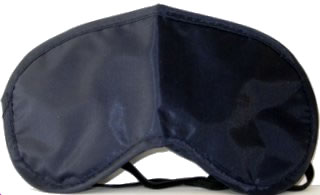
Construction and variations
Traditional blindfolds are made from fabric tied behind the head, but designs include elasticized sleep masks, molded cups with foam padding, adhesive eye covers and multifunctional scarves. Some are padded to improve comfort; others are opaque to ensure total darkness. In contexts that demand hygiene or repeat use, disposable or washable materials are common.
Common uses
- Assisting or shielding: In some situations a cover may be used to shield the eyes of a person who is blind or to protect sensitive eyes; see resources on visual impairment.
- Games and training: Blindfolds appear in children’s games such as pin the tail or blindfolded tag and in trust or sensory training exercises for group activities.
- Sleep and rest: Eye masks help people sleep by blocking light; these often have soft contours and adjustable straps related sleep aids.
- Security and coercion: Blindfolds have been used to disorient or conceal identities in kidnappings or prisoner-handling situations documented instances.
- Performance and entertainment: Magicians and performers sometimes use blindfolds to create illusions or demonstrate skill performance techniques.
- Intimacy and sensation play: In consenting adult contexts, blindfolds are a common element of erotic or sensory exploration safety and consent guidance.
History and symbolism
Blindfolds have long appeared in ritual and symbolic imagery. A well-known example is the figure of Justice, often depicted with a blindfold to signify impartiality and the idea that justice should be meted out without regard to personal identity or status on symbolic depictions. Throughout history, coverings for the eyes have also served ceremonial, punitive and theatrical roles across cultures.
Safety, ethics and distinctions
Using a blindfold can create physical risk (loss of balance, panic, falls) and ethical concerns when applied without consent. In recreational settings it should be paired with clear consent, communication, and safeguards. In professional or medical contexts, trained staff use coverings that meet hygiene and safety standards. Blindfolds differ from goggles or protective eyewear, which are intended to protect sight rather than block it.
Although ordinary and inexpensive, blindfolds combine practical function with symbolic power, from sleep comfort to theatrical effect. When used responsibly they can enhance experiences or provide necessary privacy; misused, they can cause harm or distress.
Questions and answers
Q: What is a blindfold?
A: A blindfold is a piece of cloth or material that is tied over a person's eyes, making it impossible to see.
Q: What are some of the reasons blindfolds are used?
A: Blindfolds are used for a variety of reasons, including covering the eyes of a person who is blind, in games played by children, as sleep masks, in kidnappings, in magic tricks, for erotic play, and even in art.
Q: Are blindfolds only made of cloth?
A: No, blindfolds can be made of materials other than cloth.
Q: What is one reason someone might wear a blindfold as a sleep mask?
A: A person might wear a blindfold as a sleep mask to block out light and help them sleep.
Q: What is a ransom?
A: A ransom is a sum of money or other payment demanded or paid for the release of a captive, often in cases of kidnapping.
Q: Why might a kidnapper use a blindfold on their victim?
A: A kidnapper might use a blindfold on their victim as part of a ransom to prevent the victim from seeing their kidnappers and identifying them.
Q: How is Blindfold used in art?
A: In art, Justice is sometimes depicted as a woman wearing a blindfold, representing the idea of impartiality and unbiased decision-making.
Author
AlegsaOnline.com Blindfold: Uses, types, history and cultural meanings Leandro Alegsa
URL: https://en.alegsaonline.com/art/12184
Sources
- commons.wikimedia.org : Blindfolds