
Dorothy Kilgallen: Journalist, Syndicated Columnist and Television Panelist
Profile of Dorothy Kilgallen (1913–1965), American reporter and syndicated columnist known for show-business coverage, investigative reporting, and her long tenure on the TV panel show What's My Line.
Dorothy Kilgallen (July 3, 1913 – November 8, 1965) was an American reporter, syndicated columnist and television personality. She built a national reputation in the mid-20th century through a combination of entertainment reporting, investigative interest in crime and politics, and a regular presence on a popular television game show. Kilgallen's work bridged daily journalism and mass-media celebrity, making her both influential and controversial in her era.
Image gallery
6 Images



Career overview
Kilgallen began her newspaper career with the Hearst organization, working at the New York Evening Journal and other Hearst papers. She launched a newspaper column in 1938 that blended gossip, show-business news and occasional investigative pieces; the column was later syndicated widely and appeared in more than a hundred newspapers across the United States. She also reported features and conducted interviews with public figures, often writing with a direct, plainspoken style that appealed to a broad readership. For background on her newspaper work see early reporting and syndication history.
Television and public profile
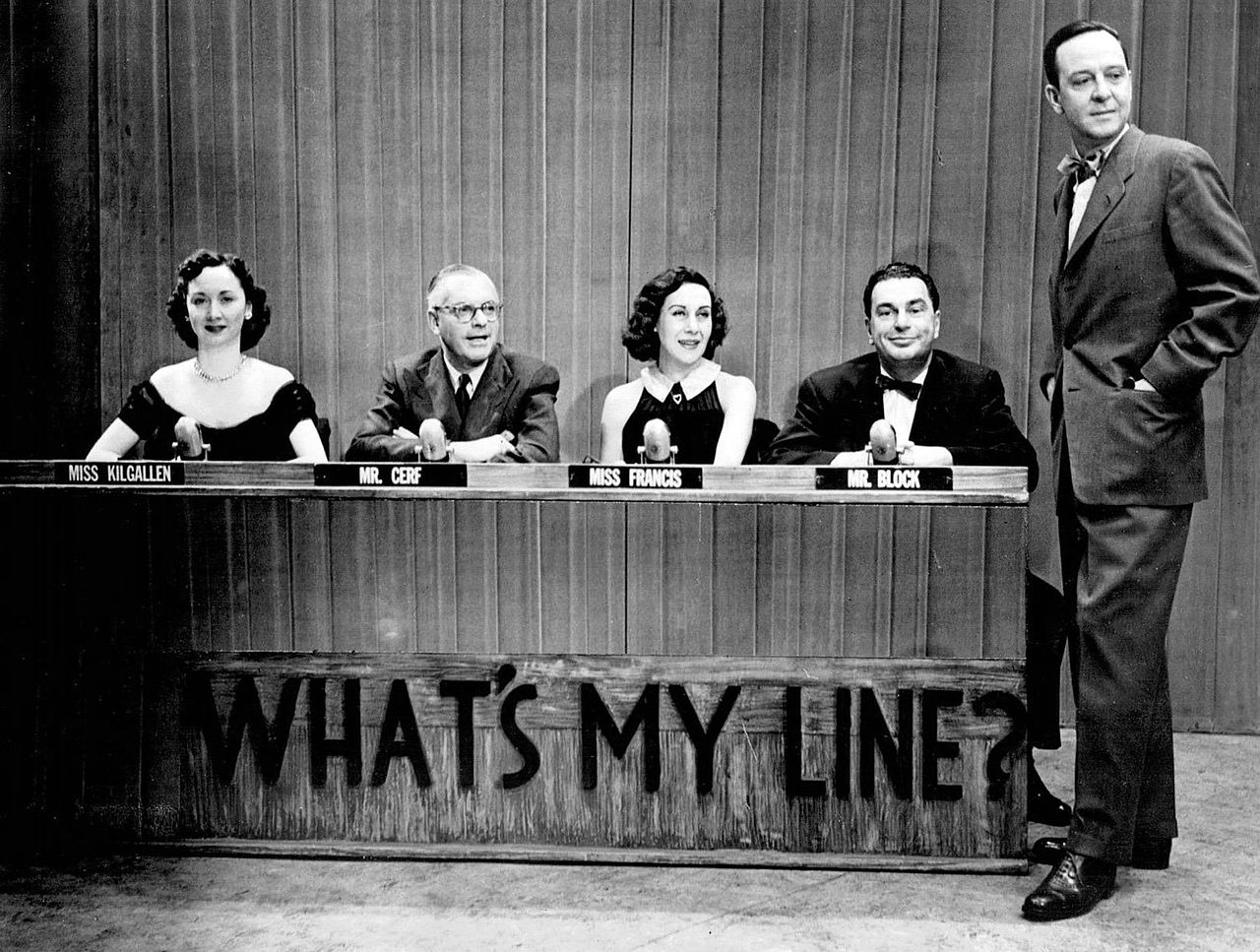
Outside print journalism, Kilgallen became a familiar face on television as a long-running panelist on the game show What's My Line? beginning in 1950. Her television presence made her a household name and brought wider attention to her column. She combined pop-culture savvy with curiosity about current affairs, which helped bridge entertainment and news audiences. For more on her television role see television career and panelist duties.
Subjects and style
Kilgallen's columns typically covered show business and celebrity gossip, but she also wrote about organized crime, politics and notable court cases. Her interest in high‑profile legal stories and criminal investigations set her apart from many contemporaries who confined themselves to entertainment reporting. She cultivated sources, pursued leads, and was sometimes credited with breaking items that stirred public debate. Readers can find examples of these subject areas in collections on column topics, crime reporting and political coverage.
Notable facts and timeline
- Born in Chicago, Illinois, Kilgallen moved to New York early in her career; see biographical notes at birth and early life.
- Her column became nationally syndicated and appeared in many newspapers; see syndication details at syndication.
- She balanced daily journalism with regular television work on What's My Line? — more on her broadcast persona at broadcast biography.
Death, reactions and legacy
Kilgallen died in Manhattan in November 1965 at age fifty-two. Contemporary reports attributed her death to a combination of barbiturates and alcohol; official accounts and later commentary discussed the medical findings while also noting public speculation about circumstances surrounding her passing. Her death prompted reflection on her journalism and the topics she covered, and biographies and retrospectives have examined both her professional influence and the unresolved questions that lingered afterward. See contemporaneous coverage and later assessments at contemporary reports, medical findings and later reviews.
Kilgallen's place in 20th‑century American journalism is tied to the intersection of celebrity culture and serious reporting. She is remembered as a persistent reporter who brought public attention to stories that crossed from entertainment into politics and crime. For further research and curated archives consult archival resources and selected retrospectives at critical studies.
Related articles
Author
AlegsaOnline.com Dorothy Kilgallen: Journalist, Syndicated Columnist and Television Panelist Leandro Alegsa
URL: https://en.alegsaonline.com/art/117897
Sources
- dorothykilgallen.com : "Dorothy Kilgallen"