
Conversation: forms, functions, and social dynamics
A conversation is spontaneous verbal exchange between people. This article explains its features, history, types, channels, social functions, skills, and how it differs from formal speech.
Overview
A conversation is an interactive, typically spontaneous exchange of ideas, information, feelings or opinions between two or more people. Unlike a formal lecture or monologue, conversation is characteristically reciprocal: participants take turns speaking and listening, respond to what others say, and adjust their language and tone to the unfolding context. Conversations range from short casual remarks to extended discussions with clear goals, and they serve social, cognitive and practical functions.
Image gallery
5 Images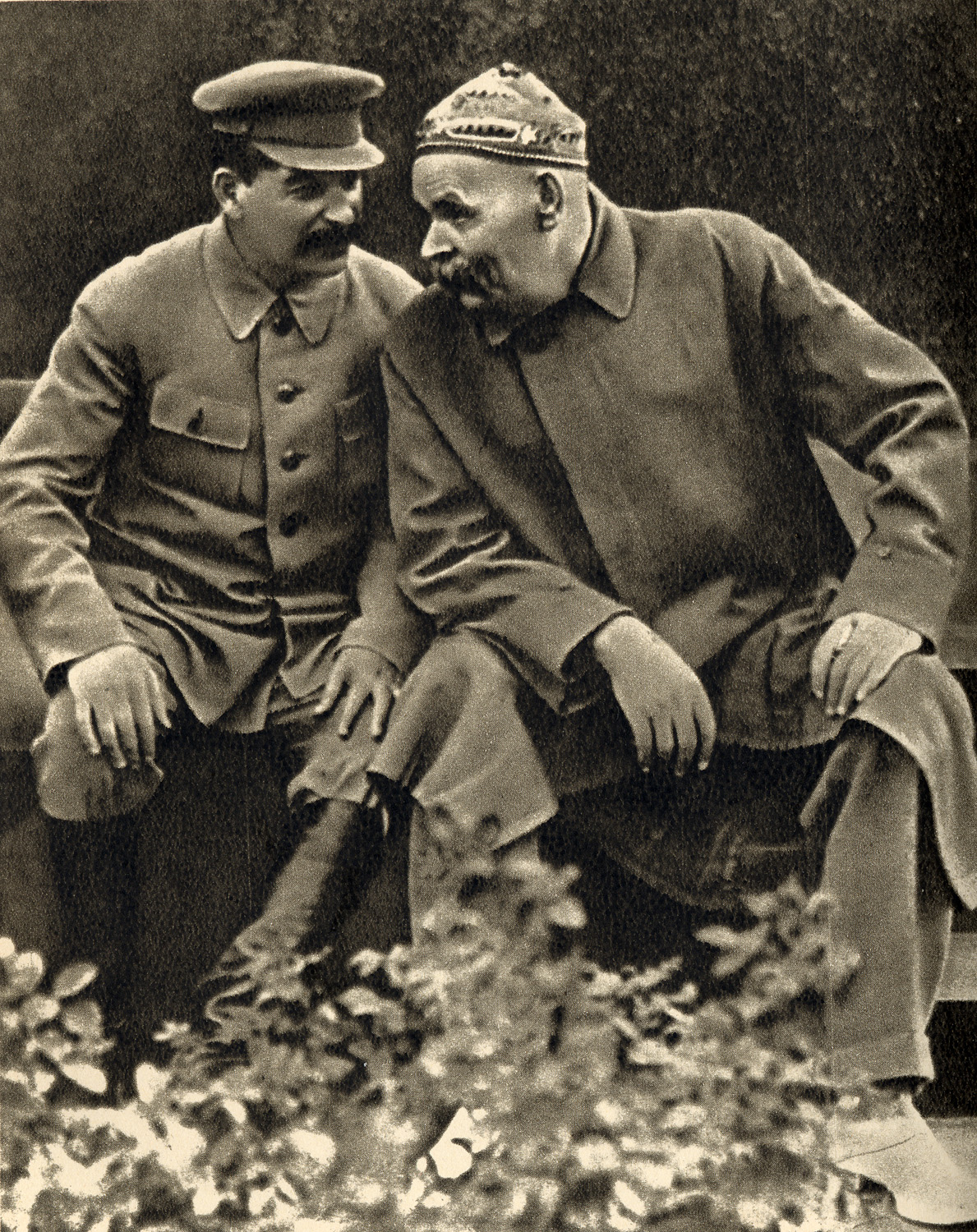


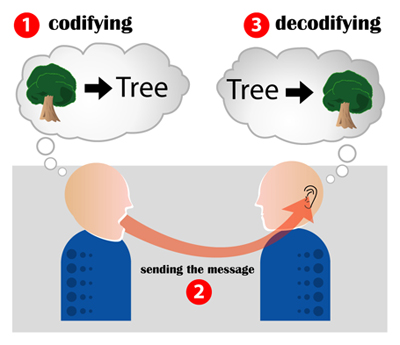
Key characteristics
Several features distinguish conversation from other forms of communication. Turn-taking governs who speaks and when, while topic management determines how subjects are introduced, sustained or changed. Context — including relationships, setting and cultural norms — shapes expectations about politeness, directness and pace. Conversational structure is often informal and adaptive: participants repair misunderstandings, offer feedback, and use cues such as tone, pauses and body language to coordinate interaction.
History and development
Human conversational behavior has roots in everyday social life and the evolutionary need for cooperation and information exchange. In recorded history, structured verbal exchanges have also been central to intellectual and civic life: philosophical dialogues in antiquity, salon culture in early modern Europe, and the rise of journalism and public debate reflect variation in how conversation has been organized and valued. Technological change — from the telephone to the internet — has repeatedly reshaped when and how people converse.
Types, channels and examples
Conversations appear in many forms. Examples include informal small talk, deep personal conversations, interviews, debates, negotiations and educational dialogues. They can take place face-to-face or at a distance: via telephone, video call, text chat or social media. For comparison with one-way formats, see how a talk or speech differs. Conversations conducted by phone are subject to different cues and constraints than in-person talk, as discussed in studies of telephone use (telephone communication) and online interactions (internet-mediated communication).
Functions and importance
Conversations perform several roles: they transmit information, coordinate action, build and maintain relationships, and help people test ideas and negotiate meaning. Small talk, often dismissed as trivial, can establish rapport and ease transitions into more substantive topics. In professional settings, effective conversational exchange supports teamwork, problem solving and client relations; in personal life, it fosters intimacy and mutual understanding.
Skills, etiquette and common challenges
- Active listening: paying attention, asking clarifying questions and summarizing to show understanding.
- Turn-taking: avoiding interruptions and signaling when you wish to speak.
- Politeness and cultural sensitivity: adapting style to others' norms and expectations.
- Repair: recognizing and correcting miscommunications promptly.
Barriers to good conversation include distractions, mismatched goals, power imbalances, and differences in language or cultural norms. Technology introduces its own challenges, such as reduced nonverbal cues in text-based channels and rapid shifts in attention in digital environments.
Distinctions and notable facts
While conversation is inherently interactive, not every exchange labeled a "conversation" is evenly balanced: interviews, cross-examinations and broadcasts may look like dialogue but are asymmetrical in authority or purpose. Scholars in linguistics, sociology and communication studies analyze conversation to understand social structure, identity performance and the ways meaning is negotiated in everyday life. For practical guidance, many communication texts and training programs offer techniques to improve conversational competence and reduce misunderstandings.
Questions and answers
Q: What is a conversation?
A: A conversation is a form of human communication that involves two or more people talking about something.
Q: Are conversations usually planned or unplanned?
A: Conversations are usually unplanned or spontaneous, though the people may have common interests.
Q: Do conversations have any fixed purpose?
A: Conversations do not necessarily have any fixed purpose, and can be about any subject.
Q: What is the difference between a conversation and a formal presentation?
A: A conversation is a two-way communication, while a formal presentation is a one-way oral presentation by one person directed at a group.
Q: Can conversations only happen in person?
A: No, conversations do not have to happen in person, they can also happen over the telephone or on the Internet.
Q: What is the benefit of having a conversation with someone who has a different view on a topic?
A: Conversations allow people with different views of a topic to learn from each other.
Q: Why are conversations considered one of the basic types of human communication?
A: Conversations are considered one of the basic types of human communication because they allow people to express their thoughts and ideas, share information, and connect with each other.
Related articles
Author
AlegsaOnline.com Conversation: forms, functions, and social dynamics Leandro Alegsa
URL: https://en.alegsaonline.com/art/22836