
British Rail Class 800 (Hitachi AT300) bi-mode intercity train
The Hitachi Class 800 is a 125 mph bi-mode intercity multiple unit built for the UK Intercity Express Programme, replacing older HST and IC225 sets and entering service from 2017 on major routes.
The British Rail Class 800, often called the Hitachi Super Express, is a new generation of intercity multiple unit ordered under the United Kingdom's Intercity Express Programme. The family was developed and built by Hitachi and is commonly referred to as an AT300-series train. It was conceived to replace ageing high-speed sets such as the InterCity 125 and the InterCity 225, offering modern passenger facilities, improved acceleration and operational flexibility.
Image gallery
10 Images




Design and technical characteristics
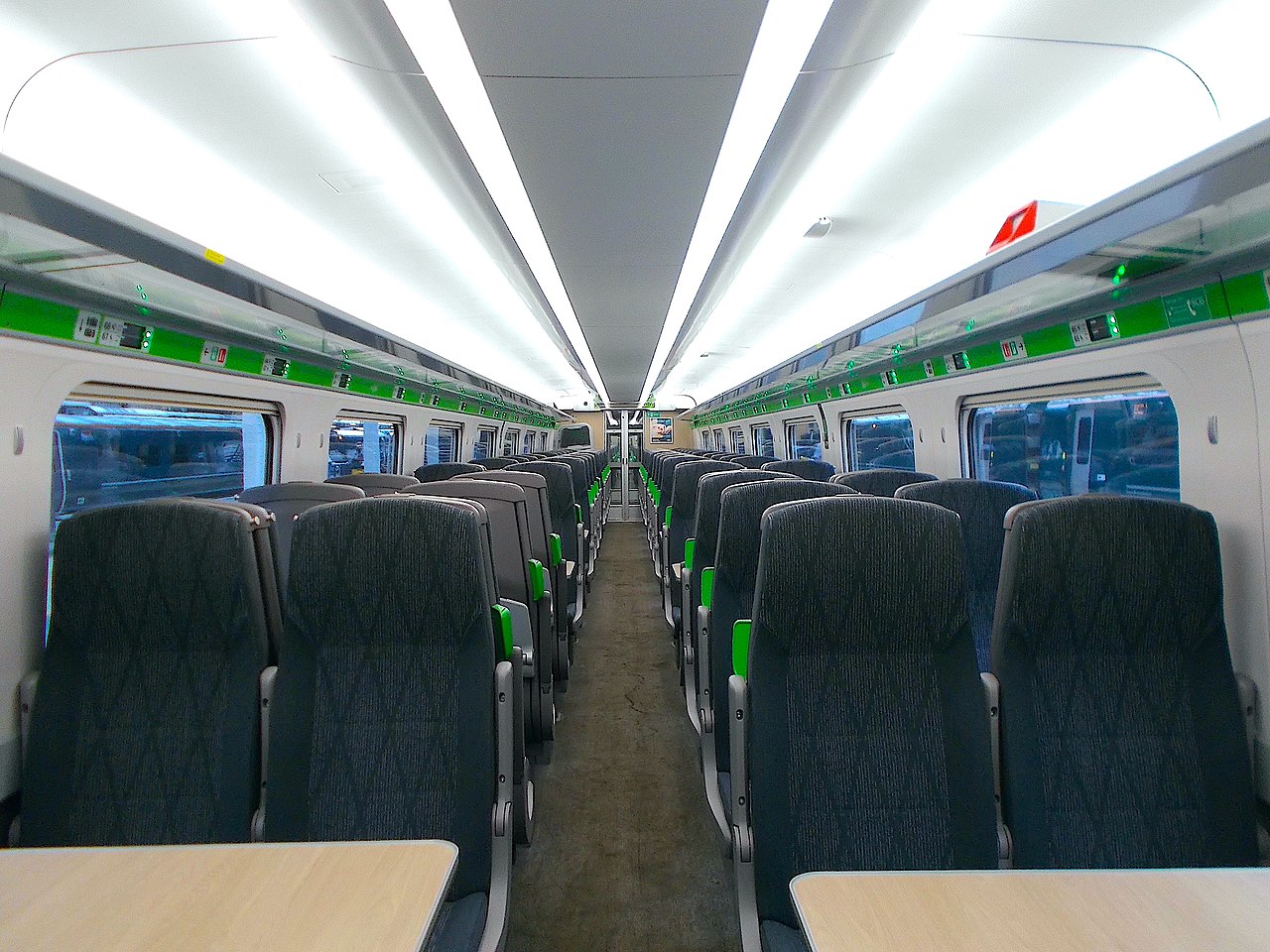
Class 800 units are bi-mode trains capable of running from overhead electric power or using onboard diesel engines when required. The series includes closely related variants configured for electric-only operation. Maximum operating speed is 125 mph (200 km/h), and the units use distributed traction with motors beneath multiple cars to improve acceleration and reduce the need for a separate locomotive. The trains feature modern interiors, accessible toilets, dedicated spaces for luggage and bicycles, and standard safety systems for main line operation.
Electric operation reduces local emissions and energy use compared with diesel traction; when operating on electric power the trains produce no exhaust emissions at the point of use. The ability to switch seamlessly between power modes allows continuous long-distance journeys across partly electrified routes without changing trains or locomotives.
Variants and equipment
The Class 800 family includes bi-mode five- and nine-car formations and has related pure-electric variants. The nine-car and five-car sets are used to match platform lengths and passenger demand. Related models within the Hitachi AT300 range share common components and a basic vehicle bodyshell, enabling maintenance efficiencies and parts commonality.
Manufacture and introduction
A prototype unit arrived from Japan for testing before UK assembly. Final assembly and some manufacture work were carried out at a new manufacturing plant in the United Kingdom as part of the programme. The overall order placed under the programme included more than a hundred vehicles, with plans for around 122 trains to be produced for specified operators. The programme and factory activity were associated with local employment growth, with reports of about 730 new jobs created in the supply chain and assembly operations.
Operations and routes
Operators introduced Class 800 trains on mainline services to improve reliability and journey times. The first units entered passenger service with Great Western Railway in 2017 and later began running on the East Coast Main Line in 2018. On key intercity corridors the trains' higher acceleration and reduced dwell times have helped shorten scheduled running times on some routes. Services using these units link major cities such as London, Leeds, Newcastle and Edinburgh.
Benefits and operational considerations
Primary advantages of the Class 800 series include bi-mode flexibility, modern passenger amenities and improved energy efficiency when operating electrically. The units allow operators to run through services across partly electrified networks without changing traction, which reduces journey complexity and operational disruption during electrification works. In some cases timetable adjustments and infrastructure compatibility works were required before full deployment.
While the new trains replaced older diesel locomotives and high-speed diesel sets, their introduction required extensive testing, driver training, and phased timetable changes. Fleet reliability and early service performance have been monitored closely by operators and infrastructure managers as the units settled into regular traffic patterns.
Legacy and context
The Class 800 series is a visible part of efforts to modernise UK intercity rail rolling stock and to provide a flexible platform for routes with mixed electrification. Its design reflects wider industry trends toward modular construction, distributed traction and lower-carbon operation where overhead power is available. As networks evolve, variants of the AT300 family are likely to remain an important element of long-distance passenger services in Britain.
For further information about specific technical specifications, operator lists and service diagrams, consult operator publications and official programme briefings associated with the Intercity Express Programme.
Related articles
Author
AlegsaOnline.com British Rail Class 800 (Hitachi AT300) bi-mode intercity train Leandro Alegsa
URL: https://en.alegsaonline.com/art/14501
Sources
- railwaygazette.com : "East Coast Main Line IEP train order confirmed"
- railway-technology.com : "Hitachi Super Express Trains, United Kingdom"
- bbc.com : "InterCity 125 v Hitachi: What are the UK's new trains like?"
- gov.uk : Government gives green light for more state-of-the-art intercity trains
- commons.wikimedia.org : British Rail Class 800