
East Coast Main Line
Major electrified railway linking London King's Cross and Edinburgh Waverley, serving key cities on the UK east coast and carrying high-speed intercity passenger services and freight.
Overview
The East Coast Main Line is the principal rail artery running along the eastern side of the United Kingdom, connecting London with Scotland's capital. It forms a long-distance trunk route used primarily for intercity passenger services and significant freight flows. For official summaries and maps see further route information.
Image gallery
10 Images




Route and infrastructure
The line starts at London King's Cross and terminates at Edinburgh Waverley, passing major urban centres including Peterborough, Doncaster, York and Newcastle. Much of the route is double-track and electrified by overhead wire at high voltage, enabling sustained high-speed running. Track, signalling and stations vary along the corridor to meet both express and regional needs.
Services and rolling stock
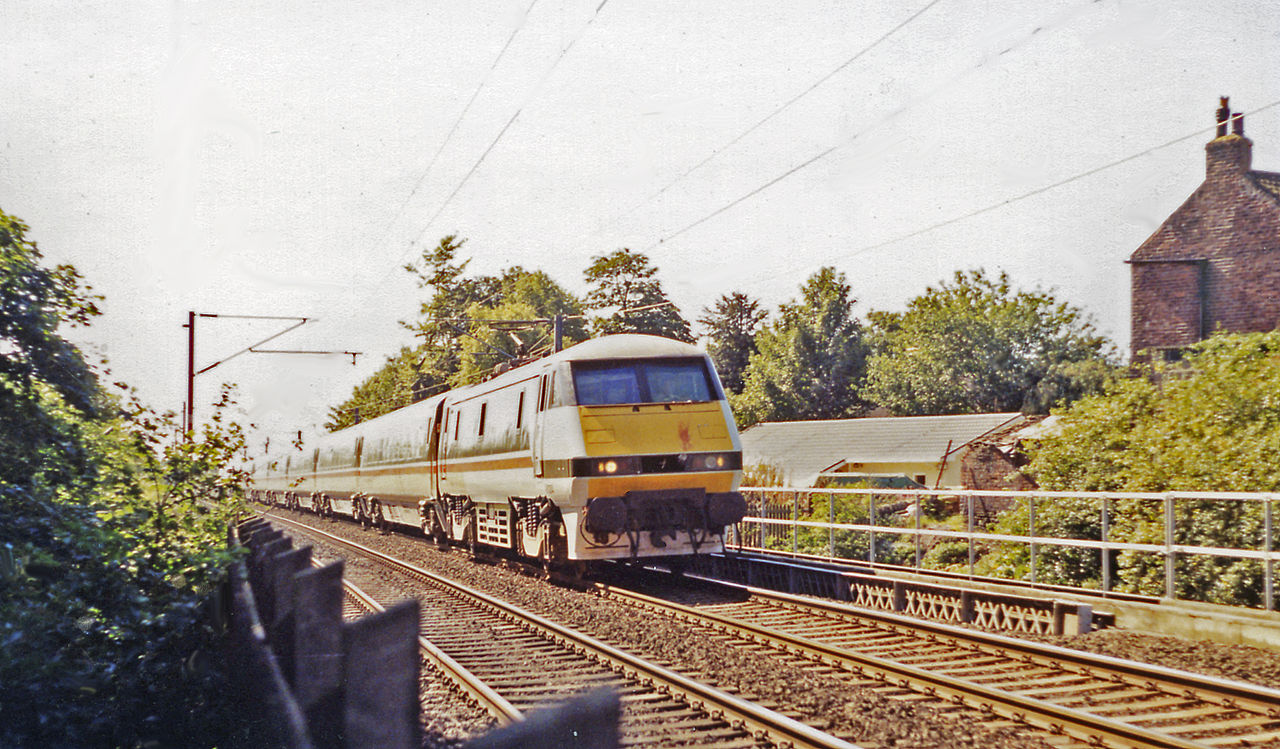
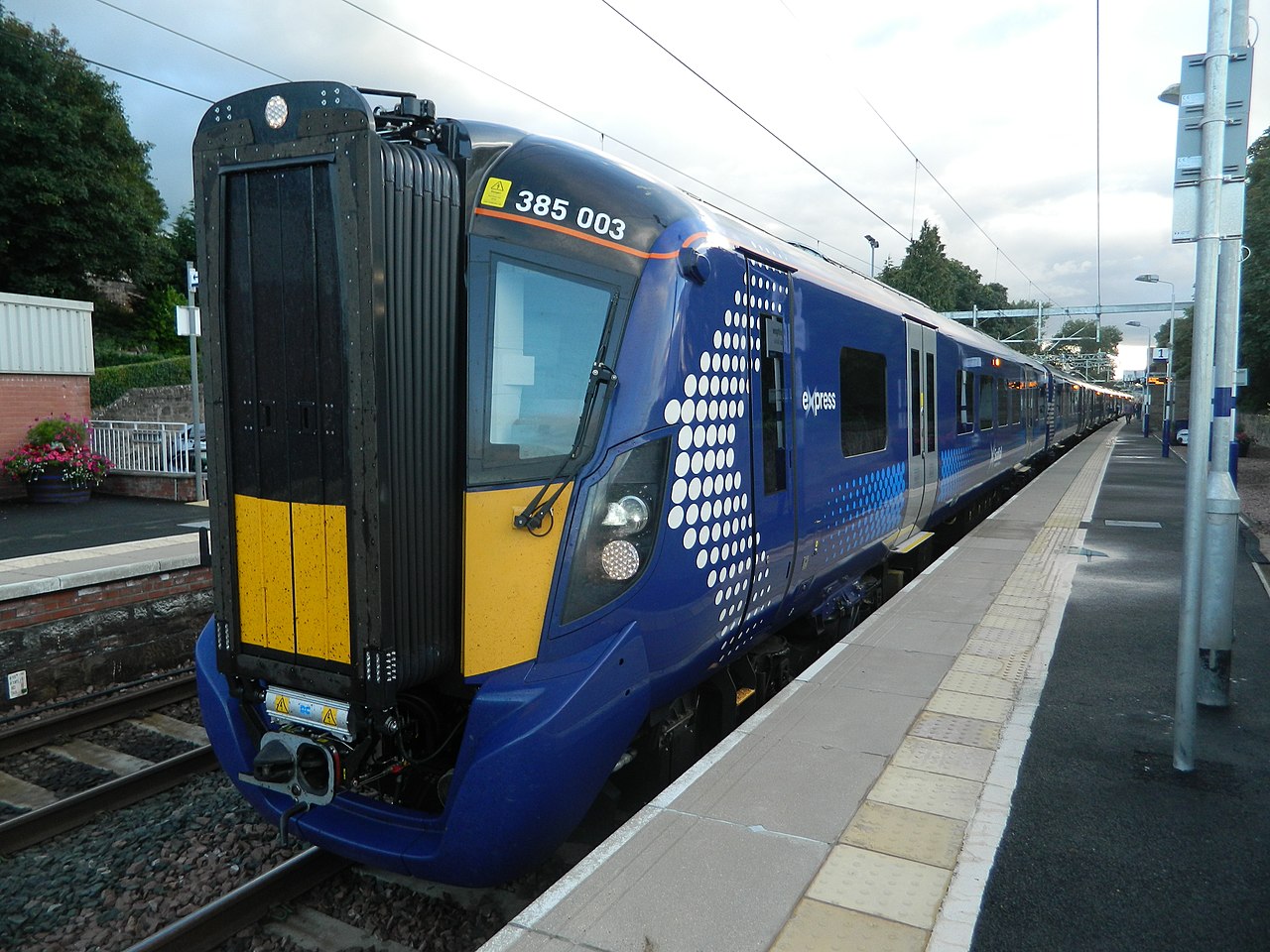
Intercity expresses provide the fastest journeys, supplemented by regional and commuter trains on sections closer to large cities. Over decades the ECML has carried a succession of high-performance trains; operators and train types have evolved but the corridor remains a backbone for long-distance passenger travel. Past operators have included National Express East Coast, and many others have held franchises or operated services.
History and development
The line developed in the 19th century from linked sections built by different railway companies and was progressively upgraded through electrification and modernization. Improvements have focused on signalling, track renewal and station rebuilding to support faster, more frequent services and improved reliability.
Importance and uses
- Principal intercity link between England and Scotland on the east side of the country.
- Serves major commercial and historic cities, supporting business travel and tourism.
- Carries regional and commuter traffic into London and other hubs, plus freight movements.
Because of its strategic role the East Coast Main Line is a frequent subject of investment plans and service changes; further technical and timetable details are documented in specialist sources and on dedicated route pages.
Related articles
Author
AlegsaOnline.com East Coast Main Line Leandro Alegsa
URL: https://en.alegsaonline.com/art/29629