
Bristol Airport (BRS): overview, history and operations
Overview of Bristol Airport (BRS): location, history, facilities, airlines, routes, ground transport, regional role and future prospects serving Bristol and surrounding counties in south‑west England.

Bristol Airport is the principal commercial airport serving the city of Bristol and the surrounding counties in south‑west England. Identified by the IATA code BRS and the ICAO code EGGD, the airport is located at Lulsgate Bottom in North Somerset. It functions as the main commercial airport for the city and the wider region and handles scheduled, charter and general aviation traffic for a broad catchment area including the former county of Avon, and parts of Devon and Somerset.
Image gallery
10 Images



History
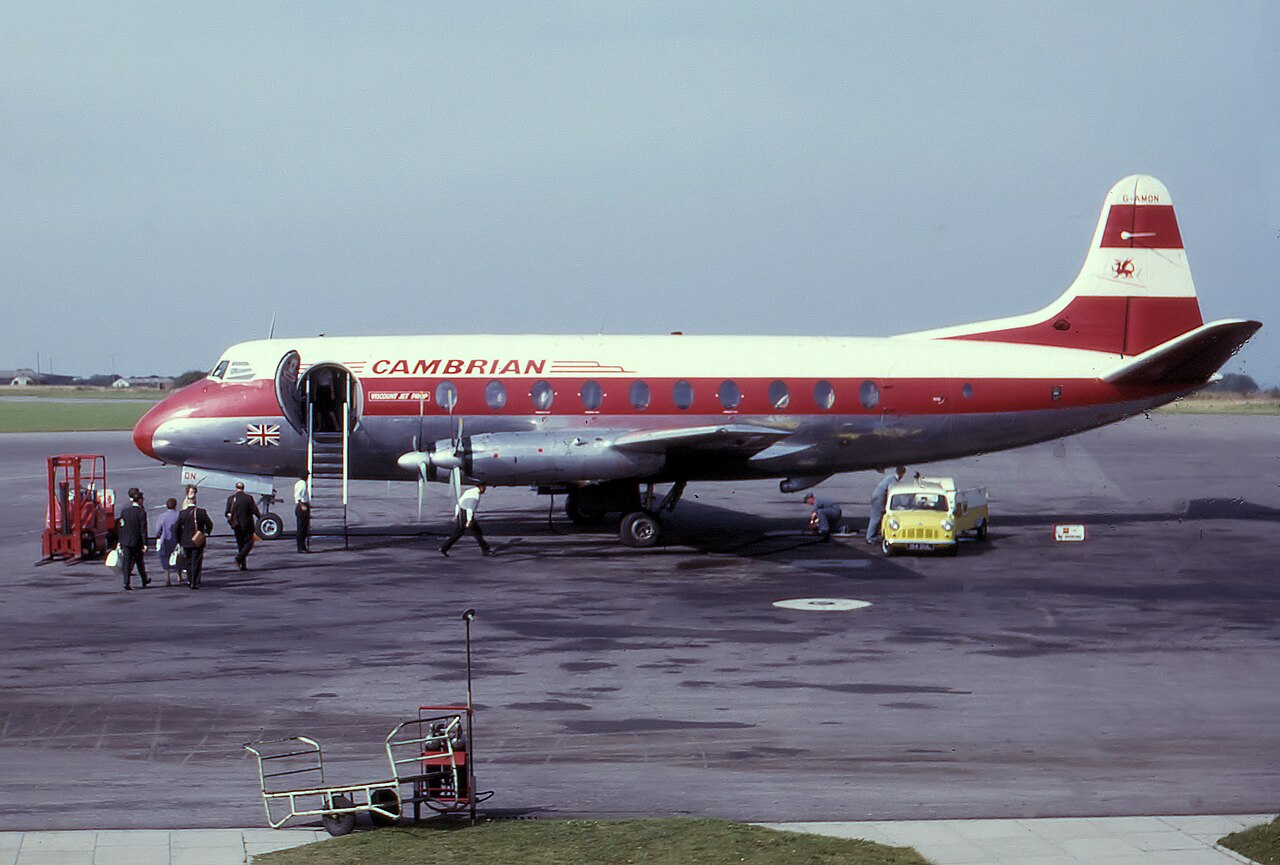
The site opened to commercial traffic in the mid‑20th century as Bristol (Lulsgate) Airport. Expansion of facilities and services through the late 20th and early 21st centuries reflected rising demand for European and Mediterranean leisure travel. Between 1997 and 2010 the airport was marketed as Bristol International Airport before reverting to its shorter current name. Over the years it has built apron and terminal capacity to support low‑cost airlines and package holiday operators.
Facilities and operations
Bristol Airport has a single main runway with associated taxiways, a passenger terminal providing check‑in, security, waiting areas, retail and food concessions, and dedicated general aviation and freight areas. Groundside facilities include on‑site car parks, hire‑car desks and coach interchanges. The site supports private and business jets but is principally focused on short and medium‑haul scheduled and charter services rather than long‑haul intercontinental routes.
Airlines and routes
The airport hosts a mix of low‑cost carriers and seasonal charter operators. Low‑cost airlines such as easyJet and Ryanair operate bases and frequent services, supporting a network of European connections. Bristol is especially known for package and leisure flights to Mediterranean destinations, with many services to countries such as Spain and other southern European holiday locations. It is primarily an international and regional airport and is not a hub for trunk domestic flights to the largest UK airports such as Manchester Airport or Birmingham Airport.
Catchment and passengers
The airport draws passengers from a wide catchment, including western England and parts of South Wales. Historic surveys have shown significant shares of users coming from the former Avon area and neighbouring counties. Travelers also use Bristol as a gateway when connecting from parts of Scotland and Ireland, typically combining surface transport with scheduled flights. In recent years passenger numbers have placed Bristol among the busier regional airports in the United Kingdom.
Ground transport and access
Road access is via nearby motorways and trunk roads, and the airport is linked to central Bristol and other regional centres by a network of scheduled coach services. There is no rail station at the terminal itself; rail travellers normally change at Bristol Temple Meads or nearby stations and continue to the airport by bus or coach. Onward public transport and private vehicle access make the airport an accessible gateway for the cities and counties of the south‑west.
Economic role, constraints and future prospects
Bristol Airport plays an important economic role for the region by supporting tourism, business travel, cargo movements and local employment. Growth has prompted recurring discussion about capacity management, noise and environmental impacts, and the need for improved surface access. Future planning typically aims to balance modest, phased expansion of passenger facilities with community and environmental concerns. Incremental upgrades to terminals, passenger services and surface links remain the most likely near‑term developments as demand evolves.
- Key facts: IATA BRS, ICAO EGGD.
- Main markets: European scheduled services and Mediterranean leisure routes.
- Major operators: low‑cost carriers and seasonal charter airlines.
- Ground access: road and coach links; rail access via nearby city stations.
- Regional role: gateway for Bristol and parts of Avon, Devon and Somerset.
Related articles
Author
AlegsaOnline.com Bristol Airport (BRS): overview, history and operations Leandro Alegsa
URL: https://en.alegsaonline.com/art/14197
Sources
- bristolairport.co.uk : "Airport History - Bristol Airport"
- bristolairport.co.uk : Bristol International Airport Master Plan 2006 to 2030, November 2006
- caa.co.uk : CAA: UK Annual Airport Statistics
- thisisbristol.co.uk : "Rebranded Bristol Airport drops the International"