
Manchester Airport
Major international airport serving Manchester, England: history, terminals and runways, airlines, transport links, traffic and its role as a northern UK hub.
Overview
Manchester Airport is the principal civilian airport serving the Greater Manchester conurbation in north-west England. It is commonly identified by its IATA code MAN and its ICAO designator EGCC. The airport handles a mix of short-haul and long-haul scheduled services, seasonal leisure flights and freight operations. It is a major transport gateway for business, tourism and cargo in the north of the United Kingdom and sits close to the city of Manchester.
Image gallery
10 Images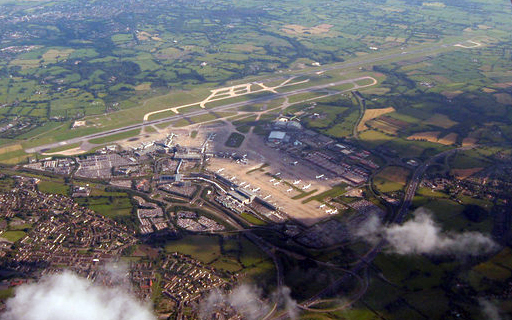




Terminals and facilities
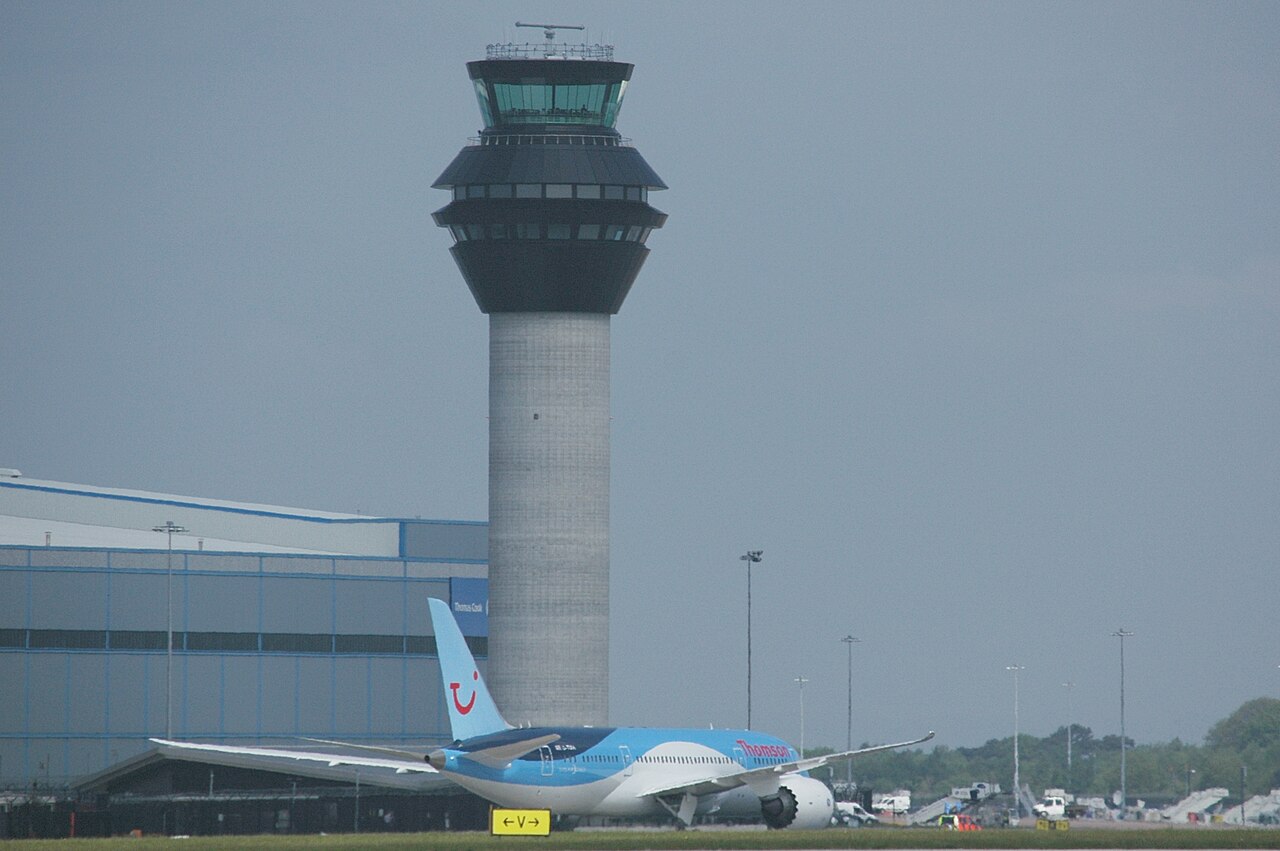
Manchester Airport's passenger facilities are arranged across multiple terminals designed to separate short-haul, low-cost and long-haul operations. Terminal buildings include check-in halls, departure lounges, retail and catering outlets, customs and immigration facilities, and dedicated areas for arriving passengers. Support infrastructure comprises aircraft maintenance hangars, cargo handling sheds and extensive apron and taxiway areas. Retail and hospitality services at the terminals have been expanded in phases to improve passenger experience and non-aeronautical revenue.
Runways and airfield
The airfield has two main runways and associated taxiways that permit a high rate of aircraft movements and accommodate a wide range of types from regional jets to large long-haul widebodies. A notable administrative detail is that while most of the airport lies within the city boundaries of Manchester, some infrastructure — including the second runway — extends into Cheshire. Air traffic control, ground handling and safety services operate to standards required for an international airport handling mixed traffic.
History
The airport opened to civilian passengers in 1938 as Ringway Airport. During World War II it became RAF Ringway and was used for military flight training and aircraft-related work. In the decades after the war the site expanded to accommodate growing commercial aviation, adopting the title Manchester International Airport for part of the late 20th century before reverting to the simpler name Manchester Airport. Major developments have included additional terminals, a second runway and continual upgrades to surface access.
Traffic, airlines and destinations
Historically Manchester has been one of the busiest airports in the United Kingdom outside the London airports. For example, in 2007 it handled about 22.1 million passengers, making it at that time the largest UK airport outside the London area. The airport hosts a mixture of full-service national carriers, low-cost airlines and long-haul operators, and offers scheduled links across Europe, North America, the Middle East and other international markets.
Ground transport and connections
Ground connections are a key element of the airport's role. A dedicated railway station adjacent to the terminals provides regular services to the city centre and to the regional rail network, while local tram and bus links connect the airport to nearby suburbs. Road access is provided by motorways and arterial routes that link Manchester Airport to the wider north-west road network. Public transport integration and investments in surface access remain priorities to reduce congestion and improve passenger flows.
Economic and regional role
As a major northern hub, Manchester Airport contributes to regional employment, international trade and tourism. Cargo handling, aircraft maintenance and support services add to its economic impact. The airport competes with nearby facilities such as Liverpool and Leeds Bradford for airlines and passengers and continues to invest in terminals, retail and infrastructure to support growth and resilience.
Further information
- For official passenger information and live schedules consult the airport's guidance (airport information).
- Historical and statistical comparisons with other UK airports are available from regional aviation reports and public data sources (comparative data).
- Local context and travel planning for visitors to Manchester and surrounding areas can be found via municipal and transport authorities.
Manchester Airport's evolution from Ringway to a modern international gateway illustrates broader trends in UK aviation: expansion to meet demand, diversification of services and ongoing attention to connectivity and sustainability. Its dual role as both a passenger hub and a centre for air freight underpins its strategic importance in the north of the country.
Related articles
Author
AlegsaOnline.com Manchester Airport Leandro Alegsa
URL: https://en.alegsaonline.com/art/61190
Sources
- ais.org.uk : "UK Aeronautical Information Service"