
John C. Breckinridge
American politician and soldier (1821–1875); U.S. vice president, 1860 Southern Democratic presidential candidate, and a senior Confederate officer and last Confederate Secretary of War.
Overview
John Cabell Breckinridge (January 16, 1821 – May 17, 1875) was an American lawyer and politician from Kentucky who served as a U.S. representative, U.S. senator and as the 14th vice president of the United States. Elected vice president in 1856 with President James Buchanan, he remains the youngest person to hold that office. Breckinridge later became the Southern Democratic candidate for president in 1860 and, after his defeat, joined the Confederate cause during the American Civil War.
Image gallery
10 Images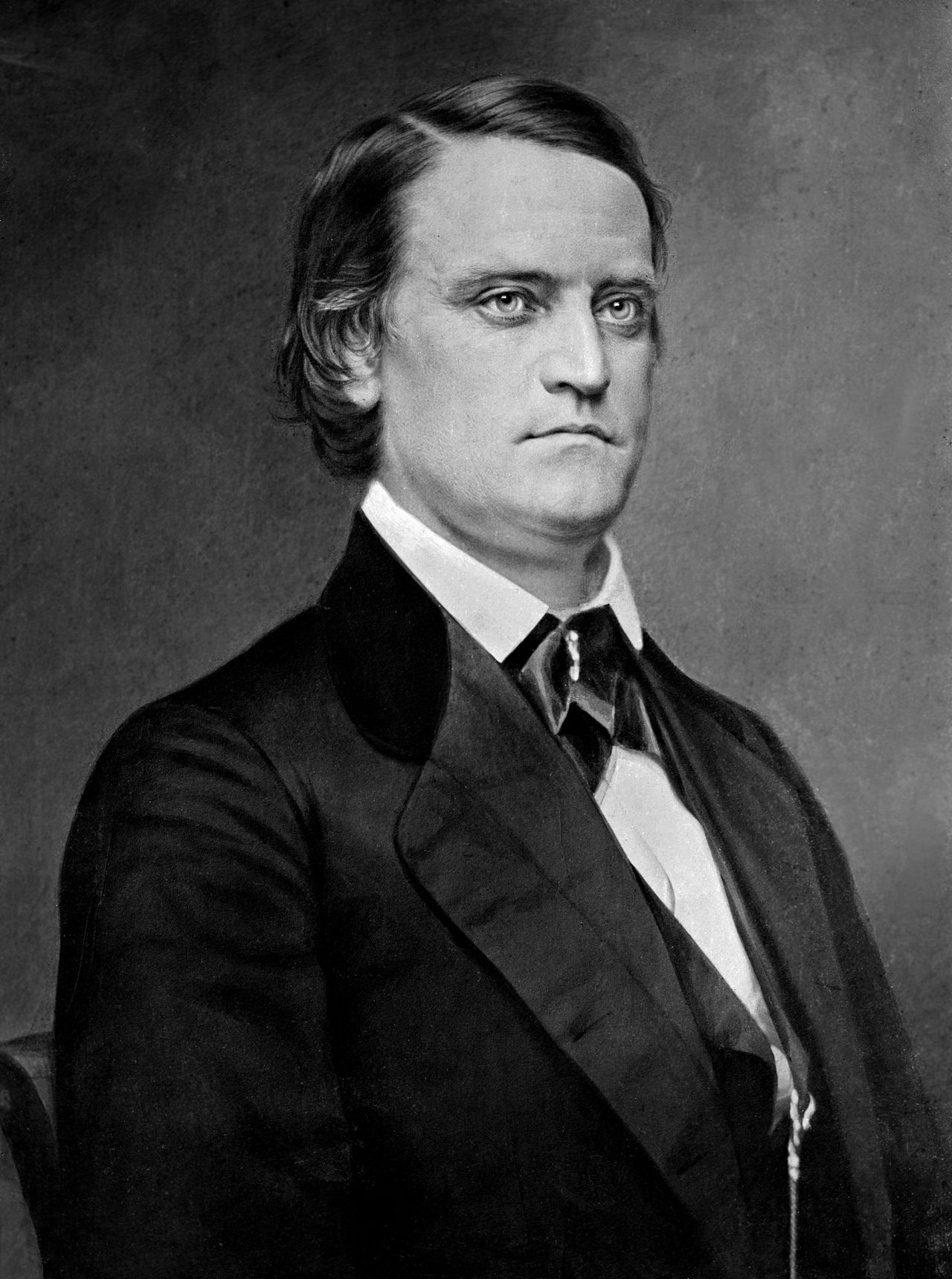



Early career and rise in national politics
Breckinridge established himself in Kentucky law and Democratic Party politics in the 1840s and 1850s. He served in the U.S. House of Representatives in the early 1850s and won election to the vice presidency for the term 1857–1861. Known for his oratorical skill and alignment with Southern Democratic positions, he was prominent in debates over slavery, states' rights and the extension of slavery into new territories—issues that fragmented national politics in the decade before the Civil War.
1860 election and its consequences
In 1860 the Democratic Party split along regional lines. Northern Democrats nominated Stephen A. Douglas while Southern Democrats backed Breckinridge as their presidential nominee. That division weakened the party’s electoral prospects and contributed to Abraham Lincoln’s victory. Breckinridge won much of the Deep South but failed to secure enough support to prevent the sectional crisis that followed the election.
Civil War service
After hostilities began, Breckinridge’s support for the Confederacy ended his national political career; he was expelled from the U.S. Senate in 1861 for supporting the rebellion. He accepted a commission in the Confederate army and served as a senior field officer in campaigns in the Western theater and the Shenandoah Valley. He commanded troops at engagements such as the Battle of New Market and later served in the Confederate War Department; in the final months of the Confederacy he was appointed Secretary of War.
Exile, return and legacy
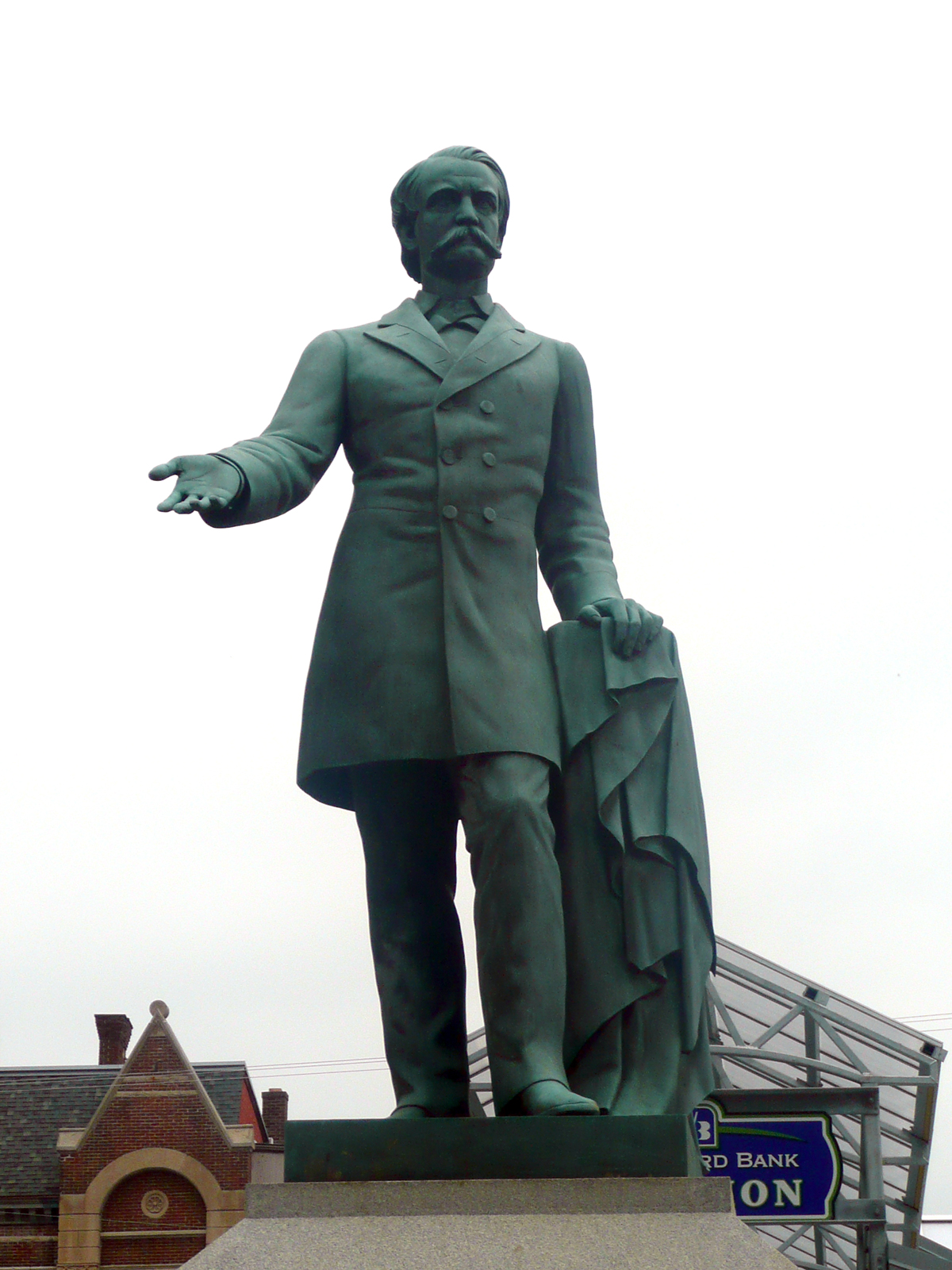
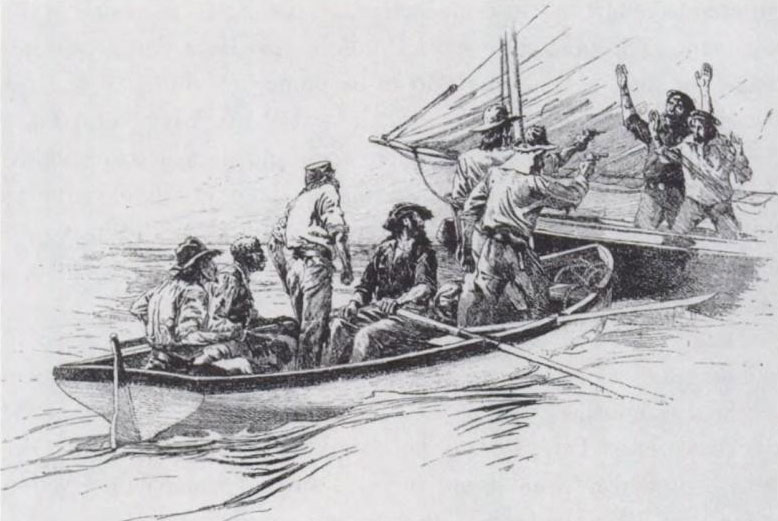
Following the collapse of the Confederacy Breckinridge went into exile for several years, spending time abroad before returning to his native Kentucky in 1869 after receiving the benefit of postwar amnesty policies. He resumed a quieter public life until his death in 1875. Historical assessments of Breckinridge are mixed: he is remembered for his rapid rise to high office and for his role in the sectional crisis, for military leadership in the Confederacy, and for the complexities of loyalty and reconciliation in the postwar period.
Notable facts and distinctions
- Youngest vice president: Breckinridge became vice president in his 30s and remains the youngest person to hold that office in U.S. history.
- 1860 ticket impact: The split between Northern and Southern Democrats helped shape the electoral outcome that brought Abraham Lincoln to the presidency.
- Confederate service: He is one of the better-known national figures who transferred from high U.S. office to a senior Confederate role during the war.
- Postwar return: Like several other former Confederates, he spent time overseas before returning to civilian life under federal reconciliation measures.
Further reading and references
- Biography and early life
- Congressional service
- Vice presidency (1857–1861)
- Election of 1860 overview
- Civil War military record
- Battle of New Market
- Service in the Shenandoah Valley
- Expulsion from the U.S. Senate
- Confederate administration and war department
- Exile and return to Kentucky
- Family and Kentucky connections
- Political positions and speeches
- Military promotions and commands
- Contemporary assessments
- Postwar reconciliation
- Legacy in state and national memory
- Primary documents and letters
Author
AlegsaOnline.com John C. Breckinridge Leandro Alegsa
URL: https://en.alegsaonline.com/art/140496