
1821: Revolutions, independence movements, and early scientific advances
Overview of 1821, a year of uprisings and state formation: Greek independence, decisive battles and declarations across Spanish America, Napoleon's death, Faraday's experiments, and cultural milestones.
Overview
The year 1821 stands out in the early nineteenth century as a moment when the political map of Europe and the Americas shifted and new scientific ideas began to find practical demonstration. It fell within the broader age of reaction and reform after the Napoleonic Wars, when rising nationalism, liberal thought, and local grievances produced uprisings, declarations of independence, and contests over statehood.
Image gallery
10 Images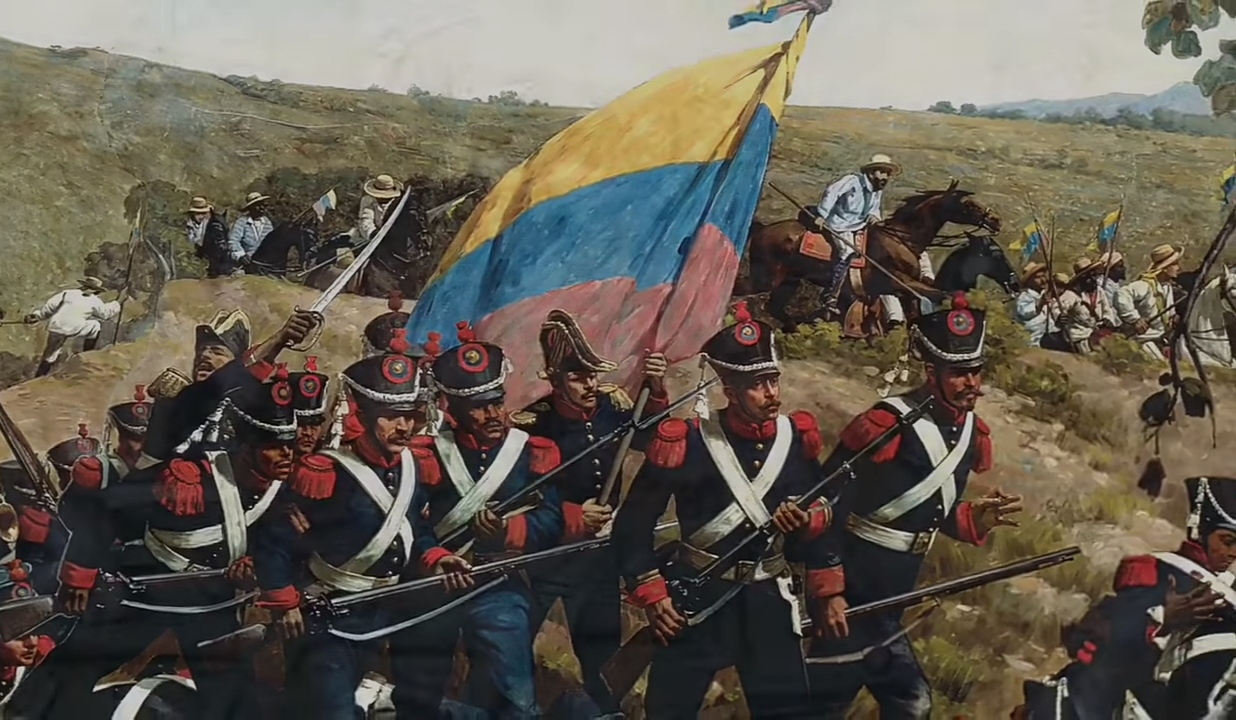





Major political events in Europe
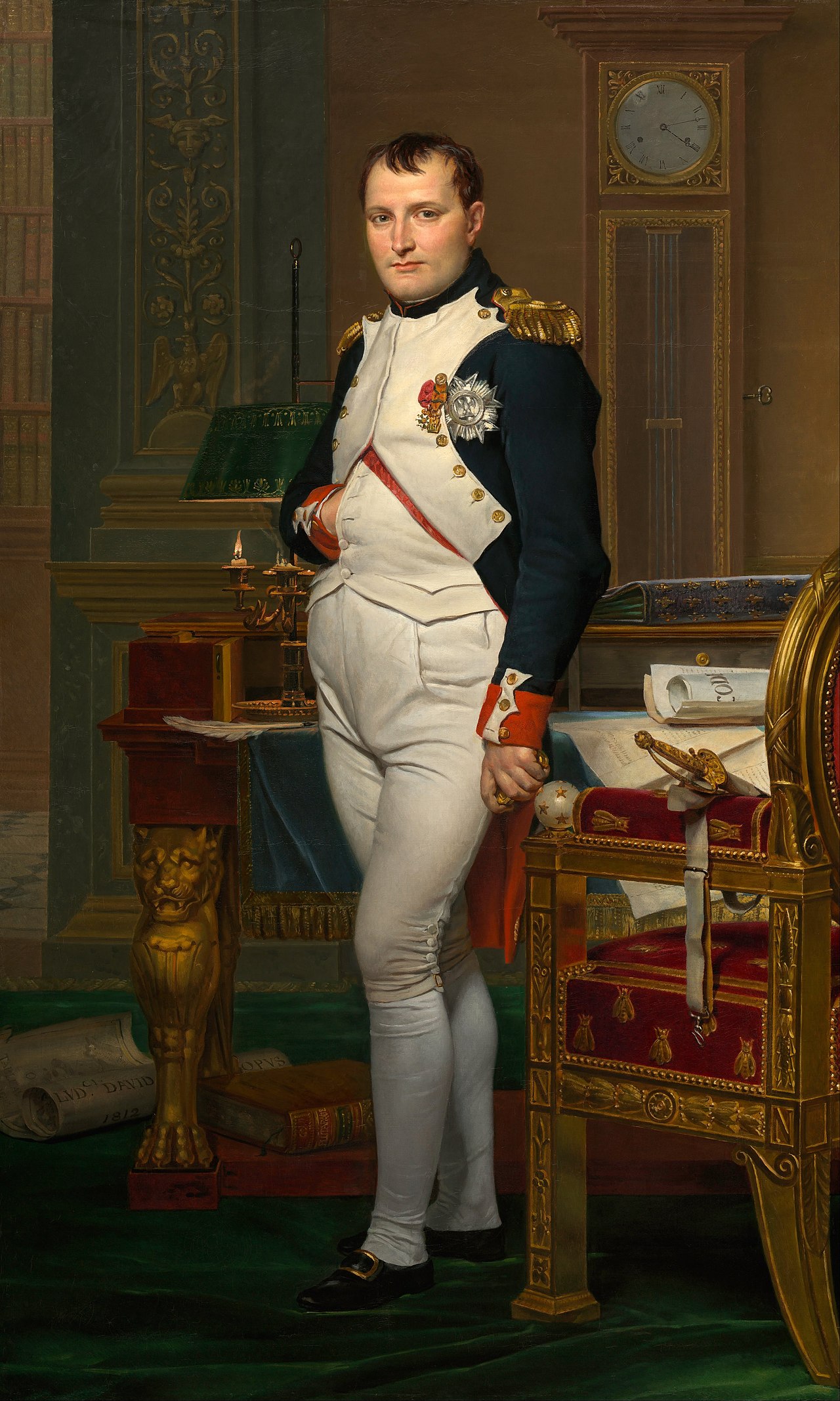
In March–April 1821 a coordinated series of revolts in the Ottoman-ruled Greek lands initiated the Greek War of Independence. Secret societies and local notables declared revolt, and the uprising soon attracted attention and support from intellectuals and volunteers in western Europe—an early example of international public opinion influencing a nationalist liberation movement. Meanwhile, Europe marked the end of an era with the death of Napoleon Bonaparte in exile on Saint Helena in May 1821, an event that closed one of the most transformative chapters of the preceding decades.
Independence movements in the Americas
Spanish America experienced decisive developments in 1821. In Mexico the Plan of Iguala (February 24) laid out terms for independence and a constitutional monarchy under the three guarantees of religion, independence, and union; the Treaty of Córdoba later in the year confirmed Spain’s acceptance of Mexican independence and independence leaders entered Mexico City in the autumn. In South America, Simón Bolívar and allied commanders achieved crucial victories in campaigns of liberation, notably the Battle of Carabobo in Venezuela, while José de San Martín proclaimed Peru’s independence on July 28, 1821. On September 15, several Central American provinces declared independence from Spain, beginning a complex regional process of state formation and realignment.
Science, culture, and society
Science in 1821 made practical strides: Michael Faraday’s experiments at the Royal Institution produced the first demonstrations of continuous electromagnetic rotation, a precursor to electric motors and later electrical engineering. Cultural life reflected and shaped political change—literature, music, and art engaged themes of liberty, nationhood, and social reform. The period also saw demographic and economic shifts tied to the decline of colonial monopolies and the reorganization of trade and governance.
Notable births and deaths
- Births: Fyodor Dostoevsky (Russian novelist) and Clara Barton (American nurse and humanitarian) were born in 1821; both would leave substantial cultural and social legacies.
- Deaths: Napoleon Bonaparte died on May 5, 1821; the poet John Keats also died that year, underscoring a cultural moment of both endings and new beginnings.
Legacy
The events of 1821 contributed to a longer era of decolonization, national consolidation, and technological innovation. Revolts and declarations of independence in Europe and the Americas highlighted the fragility of imperial rule and the ascending claim of national self-determination, while early electromagnetic experiments signaled technological possibilities that would become central to later industrial and social transformations.
Related articles
Author
AlegsaOnline.com 1821: Revolutions, independence movements, and early scientific advances Leandro Alegsa
URL: https://en.alegsaonline.com/art/111775