
James Buchanan: Fifteenth U.S. President and Controversial Statesman
Biography of James Buchanan (1791–1868), his political career, presidency (1857–1861), stance on slavery and secession, personal life, and historical reputation.
Overview
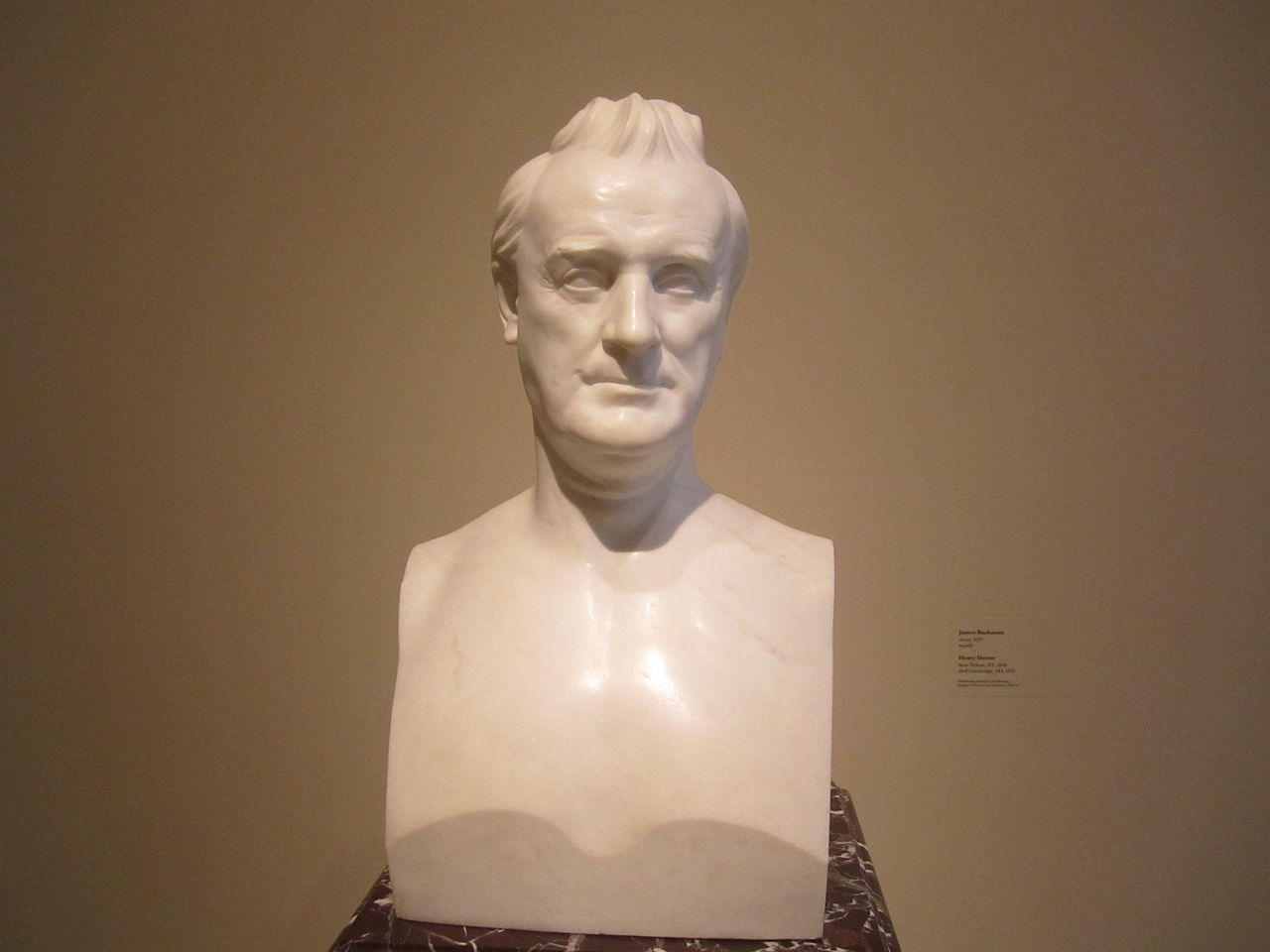
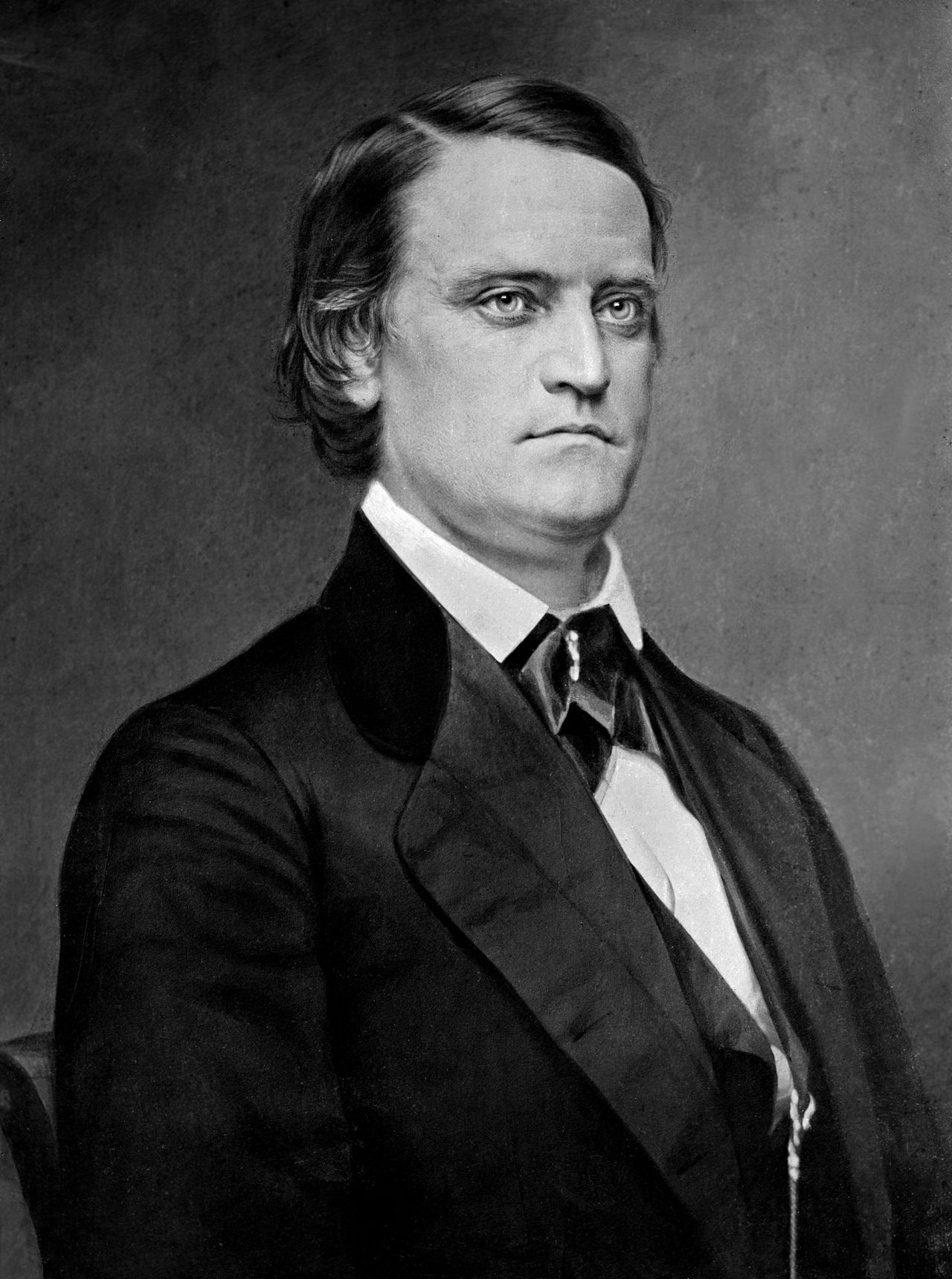
James Buchanan Jr. (April 23, 1791 – June 1, 1868) served as the United States' fifteenth president from 1857 to 1861. A lifelong lawyer and Democratic politician, he held major federal offices before the presidency and arrived in the White House amid intensifying sectional conflict over slavery. Historians frequently debate his decisions and leadership during the crisis that led to the Civil War.
Image gallery
10 Images



Early life and political career
Buchanan began as a lawyer and entered public life in Pennsylvania. Over several decades he served in the U.S. House and Senate, was Secretary of State, and acted as minister to the United Kingdom. These roles made him a prominent national figure and a candidate for the presidency in an era of growing sectional tensions.
Presidency and controversies
As president (1857–1861) Buchanan confronted major events such as the Panic of 1857, disputes over territorial status in the West, and violent conflicts in Kansas. His administration is remembered for its response to questions about slavery and federal authority. Critics point to his positions on slavery and legal rulings like the Dred Scott decision as factors that emboldened Southern interests. Others note he sought to preserve the Union by strict constitutional interpretation, a strategy that many historians judge ineffective when states began to secede.
Personal life
Uniquely among presidents, Buchanan was the only chief executive who never married. His niece, Harriet Lane, performed social duties at the White House and is often described as acting as the First Lady. Contemporary accounts emphasize his close friendships and long diplomatic service, while modern scholars examine how his private life and alliances influenced public choices.
Legacy and assessment
Buchanan's record is widely scrutinized for his actions in the years immediately preceding the Civil War. Many evaluations criticize his handling of secession and national division; discussions of his actions before the Civil War remain central to interpretations of his presidency. Though some defenders argue he tried to avoid war by upholding the law, most historical rankings place him low among U.S. presidents because his policies failed to prevent the nation's slide into armed conflict.
- Major offices: U.S. Representative, U.S. Senator, Secretary of State, Minister to the UK, President
- Presidential term: 1857–1861
- Notable aspects: bachelor president, role of Harriet Lane, contested leadership on slavery and secession
Questions and answers
Q: Who was the 15th president of the United States?
A: James Buchanan Jr. was the 15th president of the United States.
Q: When did he become president?
A: He became president in 1857.
Q: What is unique about him compared to other presidents?
A: He is unique in that he was the only president not to have married, and his niece, Harriet Lane, stood in as First Lady.
Q: What has been criticized by scholars about his presidency?
A: Scholars have criticized his stances on slavery and actions before the Civil War broke out.
Q: When was James Buchanan Jr born?
A: He was born on April 23, 1791.
Q: When did he die?
A: He died on June 1, 1868.
Related articles
Author
AlegsaOnline.com James Buchanan: Fifteenth U.S. President and Controversial Statesman Leandro Alegsa
URL: https://en.alegsaonline.com/art/121255
Sources
- nytimes.com : "Opinion | How Does Trump Stack Up Against the Best — and Worst — Presidents?"
- americanheritage.com : "The Lost Love of a Bachelor President"
- whitehouse.gov : President James Buchanan