
Eric Kandel: neuroscientist who connected molecular processes to memory
Biography and overview of Eric R. Kandel, the Austrian‑born American neuropsychiatrist and Nobel laureate known for discovering cellular and molecular mechanisms of memory.
Eric R. Kandel (born 1929) is an American neuropsychiatrist and neuroscientist renowned for demonstrating how experience alters the function of individual neurons and synapses. He combined clinical training with laboratory biochemistry and biophysics to investigate memory at molecular, cellular and behavioral levels. For background on his professional profile see neuropsychiatric work, academic posts in biochemistry and biophysics, and related summaries of his career.
Image gallery
6 Images


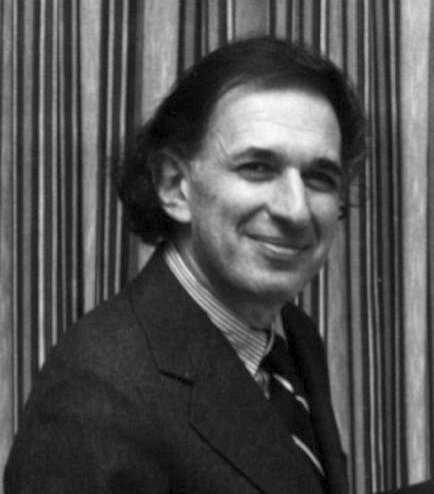
Major discoveries and recognition
Kandel received major international awards for his research into the physiological basis of memory. He shared the 2000 Nobel Prize in Physiology or Medicine for elucidating how changes in synaptic strength encode memory, an advance sometimes summarized as uncovering the physiological basis of memory. He was also awarded the 1999 Wolf Prize in Medicine for related contributions (Wolf Prize).
Research approach and findings
Working with model systems such as the marine mollusk Aplysia, Kandel traced how brief and repeated experiences produce different lasting effects on synapses. These experiments connected behavioral learning to cellular events: short‑term memory involves changes in existing synaptic proteins, whereas long‑term memory requires gene expression, new protein synthesis and structural synaptic changes. His work is often referenced in discussions of synaptic plasticity and the molecular cascades identified by others such as Arvid Carlsson and Paul Greengard, with whom he shared Nobel recognition.
Influence, writings and pedagogy
Kandel has been influential beyond his laboratory: he co‑authored and contributed to widely used neuroscience texts and wrote for general audiences about memory and mind. His integrative approach helped establish a framework linking genes and molecules to cognition; these themes appear throughout modern neuroscience textbooks and review literature (textbook contributions, reviews).
Life and context
Born in Vienna, Austria, Kandel's family emigrated to the United States in 1939 amid the upheavals following the Anschluss. He grew up in Brooklyn and later pursued medical and scientific training in New York City (New York). His personal history and career trajectory are often noted as part of his life story (Vienna origins, Austrian background, historical context).
- Key themes: molecular basis of memory, synaptic plasticity, model organisms (Aplysia research).
- Awards: Nobel Prize 2000 (memory research), Wolf Prize 1999 (medicine).
- Personal: married sociologist Denise Kandel in 1956 and has maintained both clinical and laboratory roles in his career.
Kandel's work remains a foundational example of how interdisciplinary study—bridging psychiatry, molecular biology and physiology—can explain complex mental functions in cellular terms. For further reading and archival material consult specialist biographies and institutional pages listed by legacy collections and research institutions (biochemistry page, biophysics page, historical summaries).
Author
AlegsaOnline.com Eric Kandel: neuroscientist who connected molecular processes to memory Leandro Alegsa
URL: https://en.alegsaonline.com/art/138093