
Biochemistry: the chemistry of living systems
Biochemistry is the scientific study of the chemical processes and biomolecules that underpin life, linking molecular structure to cellular function and informing medicine, agriculture, and biotechnology.
Biochemistry examines the chemical reactions and molecular processes that occur in living organisms. It connects molecular structure to cellular function and organismal physiology, helping to explain how cells grow, communicate, and maintain homeostasis. For more on the fundamental concept of chemical reactions in biology see related entries, and for context within cell biology and physiology consult specialized resources.
Image gallery
10 Images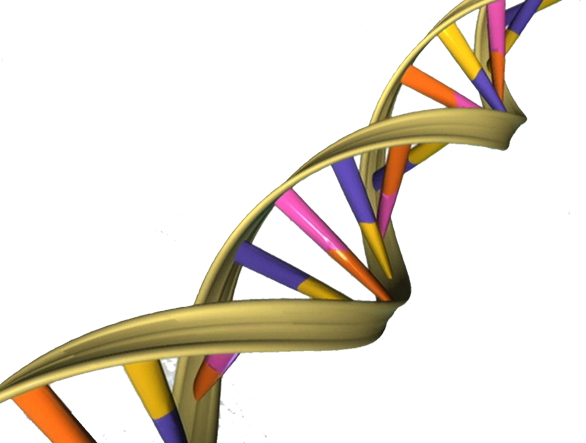




Main classes of biological molecules
Biochemistry focuses on several major groups of biomolecules and their interactions. Key categories include:
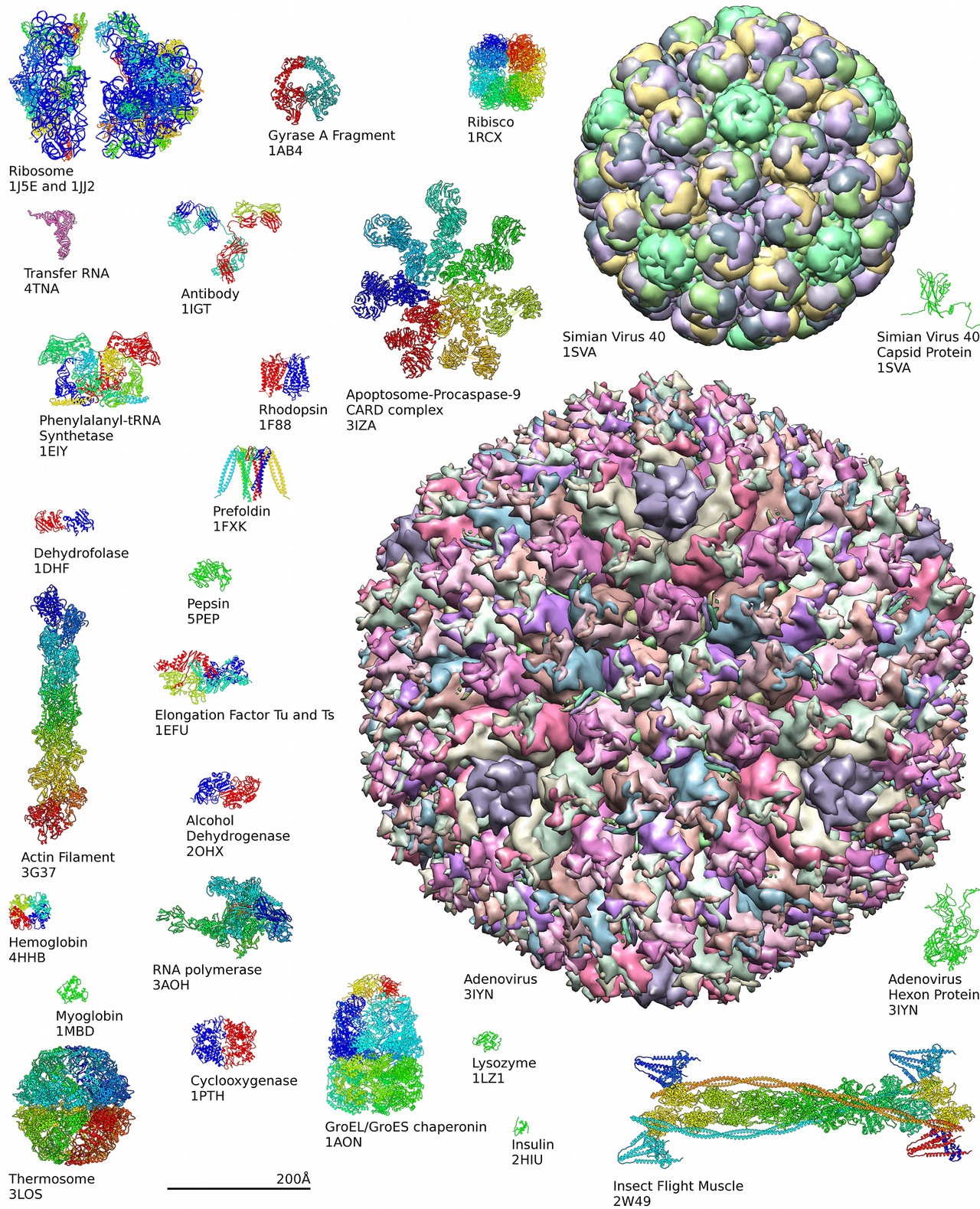
- Enzymes — protein catalysts that accelerate and regulate biochemical transformations.
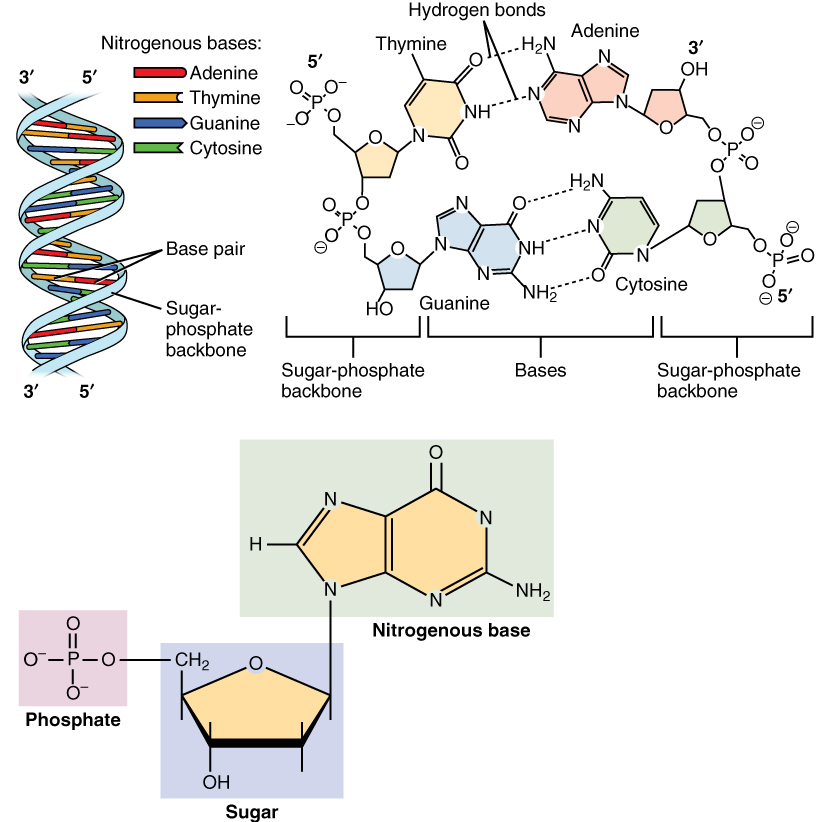
- Nucleic acids — DNA and RNA carry genetic information and direct protein synthesis.
- Carbohydrates — energy stores and structural components.
- Sugars — simple carbohydrates that serve as fuel and building blocks.
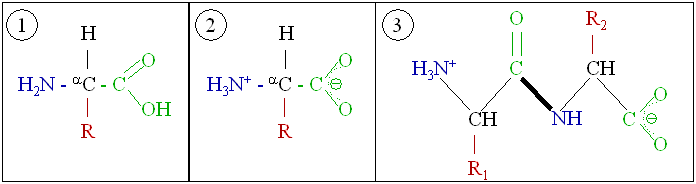
- Proteins — diverse macromolecules that perform structural, catalytic, and regulatory roles.
- Lipids — fats and membranes important for compartmentation and signaling.
Many of these molecules are polymers, long chains assembled from smaller monomer units; understanding how polymers form and break down is central to metabolism.
At the heart of biochemistry are metabolic pathways: networks of enzyme-catalyzed steps that extract energy from nutrients, build cellular components, and dispose of waste. Concepts such as free energy, reaction coupling, and enzyme regulation describe how cells control pathways to meet changing demands. Biochemical studies reveal mechanisms for energy conversion (for example, ATP generation), signal transduction, and macromolecular synthesis.
Methods and approaches
Biochemists use a wide range of laboratory techniques to analyze molecules and reactions. Common methods include chromatography and electrophoresis to separate components, spectroscopic tools to probe structure and concentration, and structural biology methods (such as X-ray crystallography, NMR, and cryo-electron microscopy) to visualize macromolecules. Quantitative assays and kinetic measurements help define enzyme function and pathway dynamics.
Historically, biochemistry emerged from chemistry and physiology as scientists sought to explain life processes in molecular terms. It expanded rapidly with advances in protein chemistry, enzyme kinetics and the discovery of nucleic acids as carriers of hereditary information. The integration of biochemical knowledge with genetics and cell biology gave rise to molecular biology and modern biotechnology.
Applications and distinctions
Biochemistry underpins many applied fields. Typical applications include:
- Medicine and diagnostics — understanding disease mechanisms and developing drugs.
- Agriculture — improving crop traits and pest resistance through metabolic insights.
- Biotechnology and industry — designing enzymes and metabolic pathways for production of chemicals, fuels, and materials.
- Forensics and environmental science — identifying biological markers and monitoring biochemical contaminants.
Although closely related to molecular biology and organic chemistry, biochemistry is distinct in its emphasis on the chemical behavior of biological molecules within living systems. Its findings continue to inform research across health, ecology, and technology.
For overviews and further reading on specialized topics, see entries on biochemical reactions, experimental methods such as enzyme assays, and contextual fields like cell biology and physiology.
Questions and answers
Q: What is biochemistry?
A: Biochemistry is the study of chemical reactions in living beings, and of biological molecules in general.
Q: Why is biochemistry important?
A: Biochemistry is important to cell biology and physiology.
Q: What types of molecules are studied in biochemistry?
A: The study of biochemistry involves enzymes, nucleic acids, carbohydrates, sugars, proteins, and lipids.
Q: How are most molecules in the body constructed?
A: Most of the molecules in the body are polymers built of long chains of smaller molecules.
Q: What does biochemistry study?
A: Biochemistry studies the chemical transformations which produce these small building-block molecules, and which produce energy from food.
Q: Who is a person who studied biochemistry called?
A: A person who studied biochemistry is called a biochemist.
Related articles
Author
AlegsaOnline.com Biochemistry: the chemistry of living systems Leandro Alegsa
URL: https://en.alegsaonline.com/art/11623