
E. M. Forster (Edward Morgan Forster)
English novelist and essayist noted for exploring class, sexuality and connection; author of A Room with a View, Howards End and A Passage to India.
Overview
Edward Morgan Forster (1 January 1879 – 7 June 1970) was an English novelist, essayist and critic whose work examines the human need for connection across social and cultural barriers. Born in Marylebone, London, he was educated at Tonbridge School and at King's College, Cambridge, and later received national honours for his contribution to letters. Forster is remembered for his clear prose, ironic eye and liberal humanism.
Image gallery
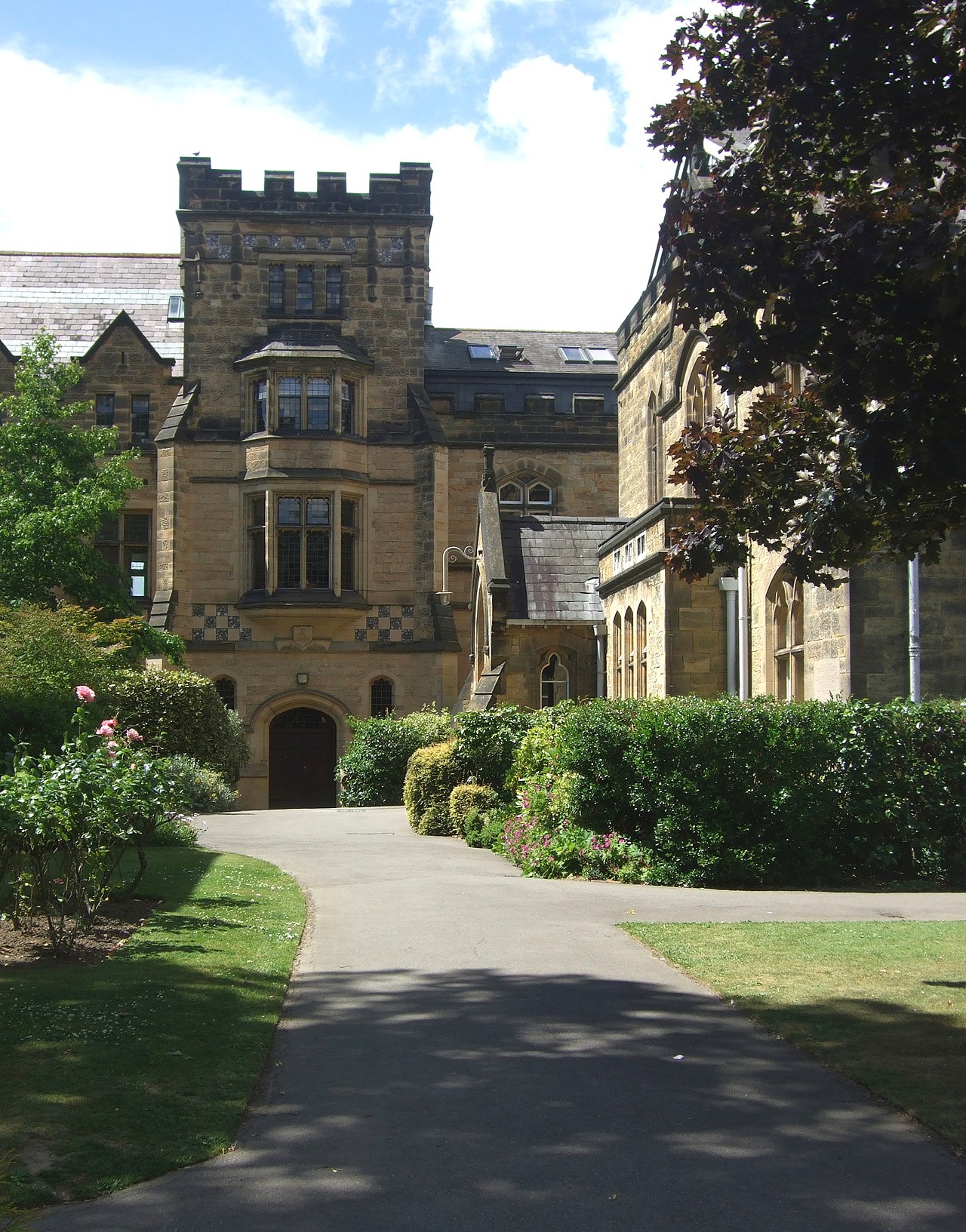
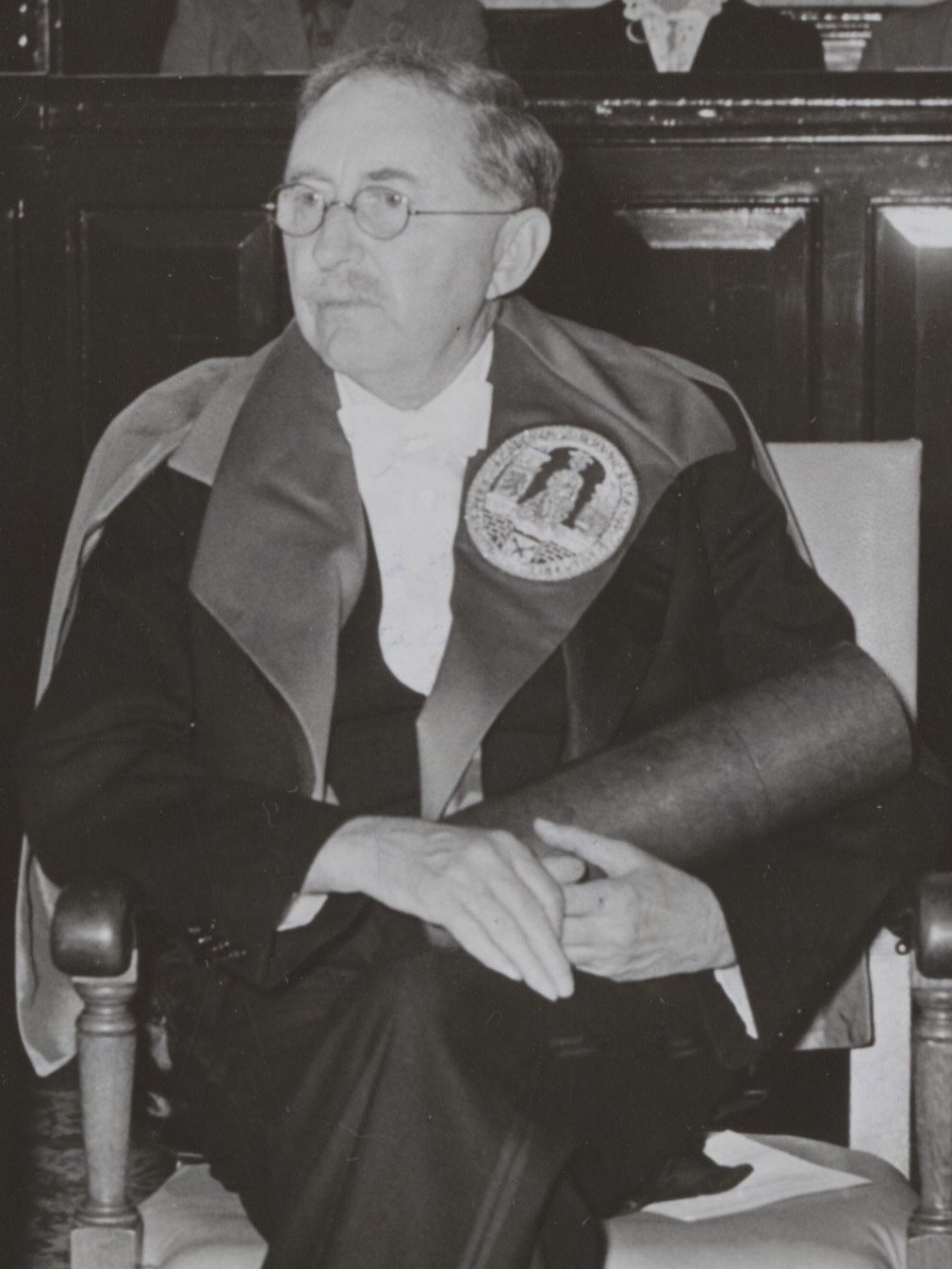
10 Images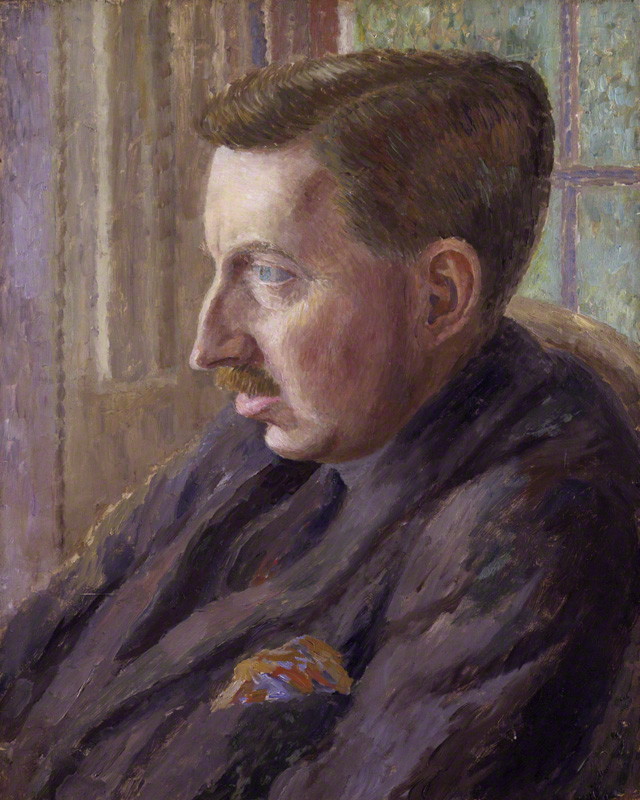



Major themes and style
Forster's fiction frequently addresses class differences, the strictures of Edwardian society, personal intimacy and the experience of foreigners in Britain and vice versa. He explored homosexuality more openly in private and later in his posthumously published novel Maurice, while his published work often treats sexual politics obliquely. Stylistically he mixes realism with ironic observation and places emphasis on personal relationships as a means to social understanding; his famous maxim "Only connect" (from Howards End) summarizes this central concern.
Works
- Where Angels Fear to Tread – an early novel about impulsive travel and its social consequences.
- The Longest Journey – a coming-of-age tale that contrasts artistic vocation with middle-class life.
- A Room with a View – a comic and romantic exploration of English manners and continental experience.
- Howards End – perhaps his best known book, focused on class, inheritance and human sympathy.
- A Passage to India – a novel set against the British Raj that probes cultural misunderstanding and justice.
- Maurice – a novel about same-sex love, written earlier in his life and published after his death.
Beyond novels, Forster wrote short stories, plays, libretti and influential literary criticism such as the essay collection Aspects of the Novel. He travelled widely, and his experiences in Italy and India informed several of his major works.
History, reception and legacy
Forster wrote primarily in the first half of the twentieth century and occupies a distinctive place between Victorian realism and modernist experimentation. He was never a radical stylist, but his moral seriousness and emphasis on human sympathy influenced later writers and critics. Many of his novels have been adapted for stage and screen, keeping his exploration of class and connection in the public eye. His reputation has also been reassessed in light of later discussions about sexuality and empire.
Selected online resources and further reading: Link 1, Link 2, Link 3, Link 4, Link 5, Link 6, Link 7, Link 8, Link 9, Link 10, Link 11, Link 12, Link 13, Link 14, Link 15, Link 16, Link 17, Link 18, Link 19, Link 20
Forster died in Coventry after a stroke. His work continues to be read for its humane concerns, narrative craft and its probing of the social forces that shape private lives.
Author
AlegsaOnline.com E. M. Forster (Edward Morgan Forster) Leandro Alegsa
URL: https://en.alegsaonline.com/art/137782