
Coventry: history, industry, culture and transport
Overview of Coventry, a major city in England's West Midlands: its origins, industrial rise, wartime damage and rebuilding, universities, cultural life and transport connections.
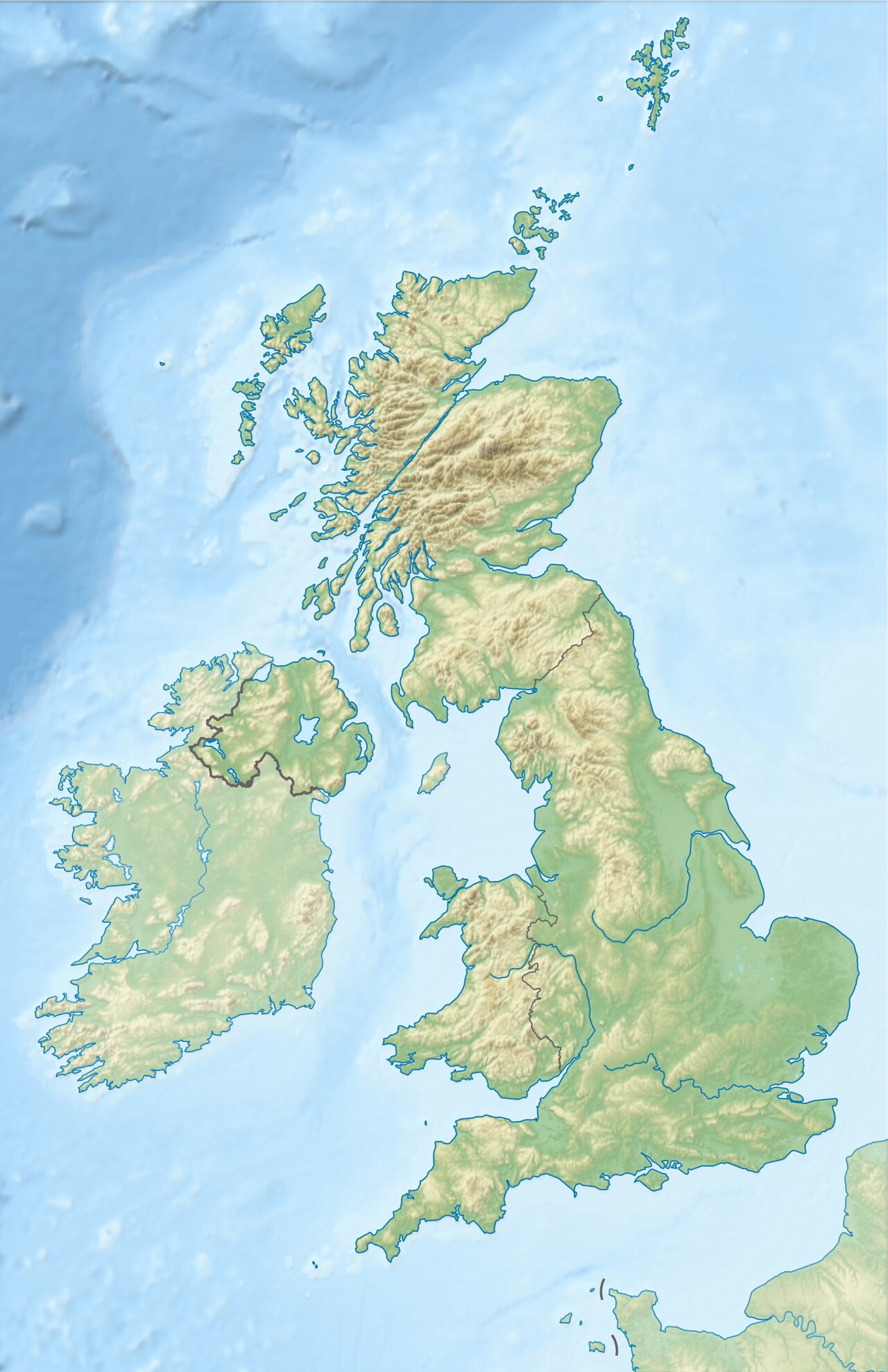
Coventry is a city in the heart of England, long established as a regional centre of commerce, manufacture and learning. Today it is one of the larger English cities and serves as a metropolitan borough within the West Midlands region. Historically it sat close to the county of Warwickshire and for centuries had strong administrative and economic ties to that county; many sources still note its earlier association with Warwickshire. Its urban population and civic functions have made Coventry a significant node in central England.
Image gallery
10 Images




Origins and historical development
Coventry grew from a medieval market town and ecclesiastical centre. From the Middle Ages it prospered through textiles, trade and skilled crafts, evolving in later centuries into a hub of precision manufacturing. During the 19th century the city became well known for producing bicycles and related components, an industry that helped create a base of engineering expertise. That heritage of mechanical skill later supported the rise of motor vehicle and aircraft production in the 20th century.
Wartime damage and postwar rebuilding
Coventry suffered severe bombing during the Second World War; the raids of 1940 inflicted extensive destruction on the city centre and industries. The most visible loss was the severe damage to the medieval civic church, commonly referred to as the cathedral, during the November raids when much of the old structure was destroyed. After the war the ruined cathedral was left as a memorial and a new, modern cathedral was constructed nearby, becoming a notable example of postwar architecture and reconciliation.
Industry, economy and transport
From the late 19th century onward Coventry became a major centre of engineering and vehicle manufacture. Bicycle production in the Victorian era laid the groundwork for a flourishing automotive industry in the 20th century, and the city also contributed to aircraft manufacture during times of conflict and national need. Modern Coventry has diversified its economy but retains important manufacturing and service sectors. It is well connected by rail and road: the city lies on the Birmingham arm of the West Coast Main Line and is served by several stations, including the principal Coventry station and local stops at Canley, Coventry Arena and Tile Hill.
Culture, education and sport
Coventry maintains a lively cultural scene with museums, galleries and festivals. Notable institutions include the transport museum and the city art gallery, which preserve aspects of Coventry's industrial and artistic heritage. The city hosts two universities: Coventry University, based in the city centre, and a major campus to the south which is home to the University of Warwick. Coventry also supports an active sporting community; its best known football club is Coventry City F.C.
Notable facts and contemporary role
In recent years Coventry has emphasised cultural renewal and civic regeneration. It was designated UK City of Culture for 2021, an initiative intended to spotlight local creativity and community projects. The city remains an example of midlands urban evolution: medieval roots, industrial transformation, wartime loss and substantial postwar reconstruction. Visitors and residents encounter a mix of historical sites, modern architecture and evidence of continued economic reinvention.
- Historic industries: textiles and bicycle manufacture, later motor and aerospace production (bicycles).
- Wartime experience: heavy bombing in World War II and specifically the November 1940 raids that bombed large parts of the city.
- Transport and connectivity: multiple railway stations and road links to Birmingham and national routes.
Coventry's story illustrates common themes in British urban history: a shift from craft and trade to industrial manufacturing, the trauma of mid-20th-century conflict, and a long period of reconstruction and reinvention. For those interested in England's regional cities, Coventry offers a compact case study of historical layering, modern recovery and ongoing cultural life.
Related articles
Author
AlegsaOnline.com Coventry: history, industry, culture and transport Leandro Alegsa
URL: https://en.alegsaonline.com/art/23692
Sources
- ec.europa.eu : "Population on 1 January by age groups and sex - functional urban areas"
- ons.gov.uk : "
- ons.gov.uk : "2011 Census: Key Statistics for Local Authorities in England and Wales"