
Agatha Christie: life, detective fiction, and lasting legacy
English crime novelist and playwright, creator of Hercule Poirot and Miss Marple; author of And Then There Were None and The Mousetrap. One of the best-selling and most widely translated writers in history.
Dame Agatha Mary Clarissa Christie DBE (1890–1976) was an English writer whose detective novels, short stories and stage plays helped define the modern crime genre. Her tightly plotted mysteries, memorable detectives and emphasis on logical detection won an international readership. Christie’s work remains widely read and adapted in many media; she is routinely cited among the most widely published and best-selling authors of all time.
Image gallery
10 Images


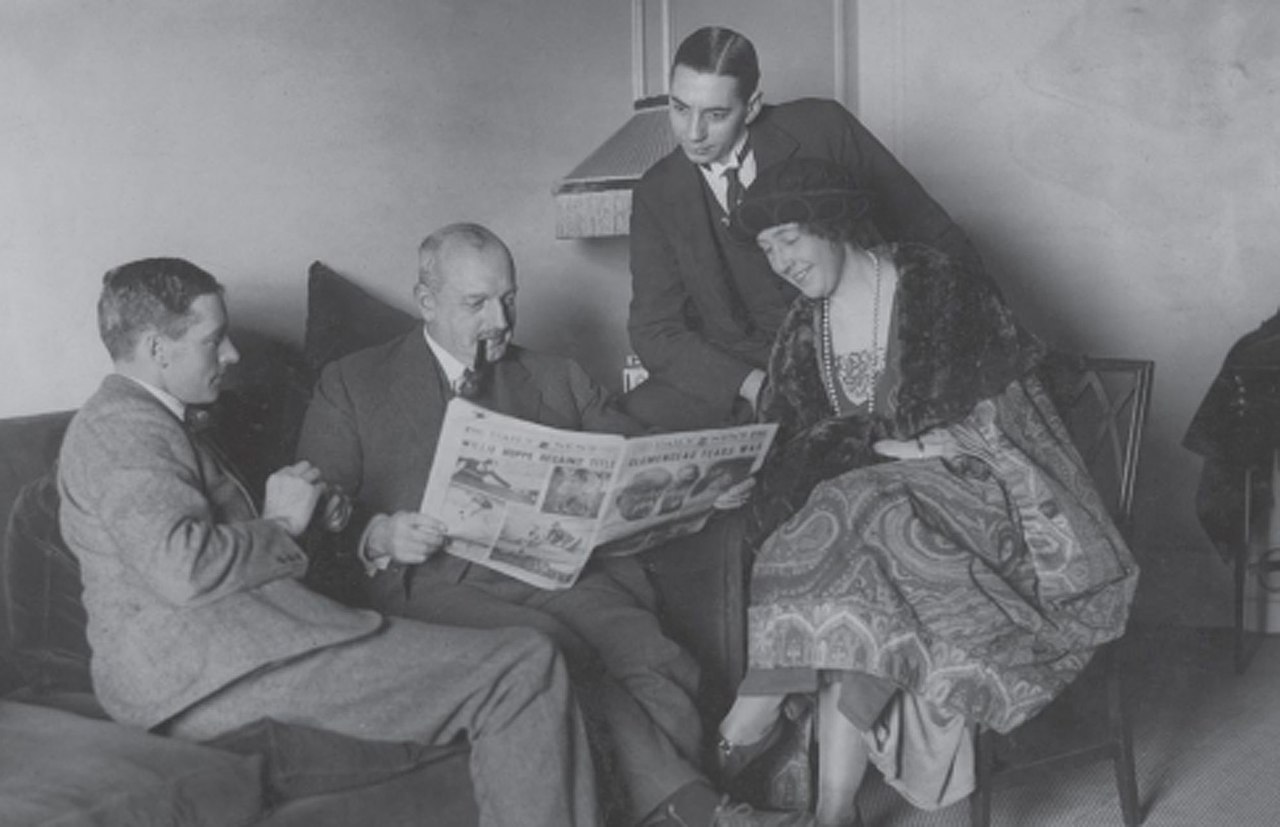


Major characters and notable works
Christie created several recurring investigators who have become fixtures of crime fiction. Two of the most famous are:
- Hercule Poirot — a methodical Belgian private detective who relies on psychological insight and his so-called "little grey cells" to reconstruct events and identify the culprit.
- Miss Marple — an elderly English amateur sleuth who uses her knowledge of village life and human nature to spot patterns and motives that others miss.
Among her best-known books are And Then There Were None (a standalone suspense novel with an ingenious plot), The Murder of Roger Ackroyd (noted for a controversial narrative twist when it was published), and many others that explore variations on the closed-circle mystery or locked-room puzzle. Christie also wrote successful plays, most famously The Mousetrap, which holds the record for the longest continuous run in professional theatre.
Life, education and wartime work
Christie was born in Torquay, Devon, and received much of her early education at home. During the First World War she served in a hospital and later worked in a pharmacy, experiences that informed her later use of medical detail and poisons in plots. She married twice and had one daughter, and she spent much of her adult life writing full time while also undertaking theatrical adaptations and radio scripts.
In 1926 Christie attracted public attention when she disappeared for a short period; she was later found and the episode has been discussed and debated in biographies and studies. Over the decades she continued to publish at a steady pace, producing dozens of novels, short-story collections and plays that secured a worldwide readership.
Style, themes and critical response
Christie’s mysteries are generally characterized by careful plotting, an emphasis on motive and method, and a "fair play" approach that leaves clues for attentive readers. Recurring themes include justice, deception, and the contrast between social appearance and hidden motives. While she has been praised for narrative craft and imagination, modern critics also note that some elements of her work reflect period attitudes — on class, gender and empire — and these aspects are examined in contemporary editions and analysis.
Adaptations and cultural impact
Christie’s novels and plays have been adapted widely for film, television, radio and stage. Poirot and Miss Marple have been portrayed by many actors in long-running television series and feature films, bringing Christie’s plots to new audiences. The adaptability of her plots—clear structure, strong central mysteries and distinct detective personalities—has helped sustain interest across generations and cultures.
Sales, translations and honours
Christie is one of the most commercially successful fiction writers in history. Her works have been translated into more than a hundred languages and have sold in the billions of copies worldwide. In recognition of her contribution to literature she was appointed a Dame Commander of the Order of the British Empire in 1971. Her best-selling novel is widely considered to be And Then There Were None, which has sold many millions of copies and remains a staple of mystery reading lists.
Later years and death
Christie lived for much of her later life at Winterbrook House in Berkshire (now Oxfordshire). She continued to write until shortly before her death in 1976 and was buried in the churchyard of St Mary’s, Cholsey. Her estate and literary rights have continued to manage and licence adaptations, contributing to the persistent visibility of her work.
Legacy and study
Christie’s influence on the mystery genre is profound: she helped popularize the puzzle-driven whodunit, set standards for plotting and misdirection, and created detectives whose personalities shaped readers’ expectations of the genre. Her work is the subject of scholarly study, biography and criticism; publishers continue to issue new editions, annotated volumes and adaptations that place her work in historical and cultural context. Contemporary readers and producers often revisit her stories, updating or reinterpreting them while retaining the central intellectual challenge that made them so popular.
Further reading and resources
- Official honours and titles
- Christie’s nationality and background
- Comprehensive bibliography and list of works
- Discussions of Christie’s crime stories
- Miss Marple: character overview
- Hercule Poirot: character overview
- Context for Poirot’s Belgian origins
- Christie’s connections to London
- Torquay and her early life
- Her wartime hospital work
- Pharmacy work and knowledge of poisons
- Background on the World War I era
- Her plays and theatrical career
- Winterbrook House and later years
- Guinness Book of World Records reference
- Information on worldwide sales and editions
- Comparisons with other widely published authors
- Translations and international reach
- Notes on And Then There Were None and its reception

Lifetime Literary Achievement Awards
- 1955 Grand Master Award of the Mystery Writers of America
- 1972 Grand Master of the Swedish Crime Academy (Svenska Deckarakademin)
- 2000 "Best Crime Writer of the Century" (awarded at the Anthony Boucher Memorial World Mystery Convention)
- 2005 Archie Goodwin Award of the American Nero Wolfe Society
Works and their adaptations
→ Main article: List of works by Agatha Christie and List of adaptations of Agatha Christie's works.
Agatha Christie wrote 66 novels, numerous short stories, two autobiographies, several collections of poetry and 23 stage plays. These have been adapted into five radio plays, 22 feature films, 76 television movies, 19 animated films, and several computer games. Four documentaries have been made about her.
Questions and answers
Q: Who was Dame Agatha Mary Clarissa Christie?
A: Dame Agatha Mary Clarissa Christie was an English writer of crime stories. She is one of the world's best-selling authors and her books have been translated into at least 103 languages.
Q: How many books has she sold around the world?
A: Christie has sold more than 4 billion books around the world, making her second only to William Shakespeare in terms of total book sales.
Q: What are her stories about?
A: Her stories are about murders and finding out who did them. There is a detective who tries to catch the bad person and readers can try to find the answer too, making it like playing a game.
Q: Who are some of the most well-known characters in her books?
A: The most well-known characters in Christie's books are Miss Marple and Hercule Poirot. Miss Marple is an old English lady who uses logic to find out who is guilty of the murder while Hercule Poirot is a strange man from Belgium living in London who likes to think through all evidence before coming up with an answer.
Q: What other works did she write besides novels?
A: In addition to writing novels, Christie also wrote plays such as The Mousetrap which remains the world's longest-running play today, as well as romance novels and other works.
Q: How did she learn how to read so early on in life?
A: Despite not going to school, Christie learned how to read by herself when she was four years old due to reading many different books that helped her become a good writer later on in life.
Q: What honour was given to her by Queen Elizabeth II?
A: In 1971, Queen Elizabeth II honoured Christie with the title Dame Commander of the Order of British Empire for her literary achievements.
Related articles
Author
AlegsaOnline.com Agatha Christie: life, detective fiction, and lasting legacy Leandro Alegsa
URL: https://en.alegsaonline.com/art/1339
Sources
- variety.com : "Agatha Christie gets a clue for filmmakers"
- entertainment.howstuffworks.com : "21 Best-Selling Books of All Time" · web.archive.org