
Agilbert: 7th-century Frankish bishop and missionary
Agilbert (fl. c.650–685) was a Frankish-born cleric educated in Ireland who served as a bishop among the West Saxons before returning to Gaul and later becoming Bishop of Paris.
Overview
Agilbert (flourished c.650–c.685) was a churchman of Frankish origin whose life illustrates the international character of the early medieval Latin Church. Trained in Ireland, he is most often remembered for his episcopal work among the Anglo-Saxons, where he served as the successor to earlier missionaries, and for returning to the Continent to take up high office in Gaul.
Image gallery
1 Image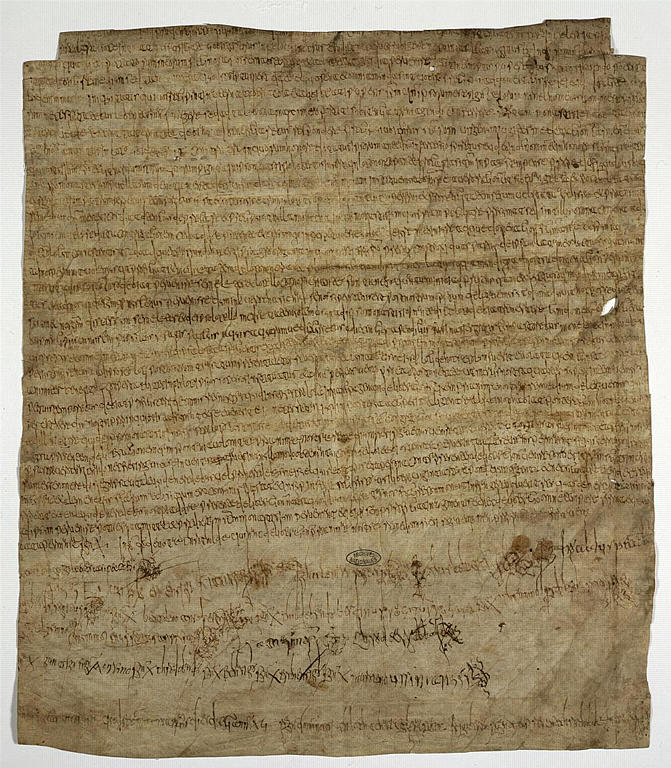
Origins and education
According to surviving accounts, Agilbert was born in Frankish territory and received part of his religious education in Ireland, a leading centre of monastic culture and learning during the 7th century. This combination—continental birth with insular training—made him representative of a generation of clerics who moved between Britain, Ireland and the Continent, bringing different liturgical and scholarly traditions into contact.
Work in England
Agilbert is recorded as becoming the second bishop working among the West Saxons, following the missionary bishop Birinus. His episcopacy took place during a formative period for the English church when local rulers, such as the kings of Wessex, were deciding how to organize and support Christian institutions. Contemporary sources describe a falling-out with King Cenwalh of Wessex, a quarrel that led Agilbert to leave his post in England.
Return to Gaul and later career
After departing England, Agilbert returned to the Frankish world and is said to have resumed ecclesiastical duties on the Continent. He went on to become a bishop in Gaul and later attained the position of Bishop of Paris, a prominent seat that placed him in the centre of Merovingian church affairs. His career therefore spans important networks in both Insular and Continental Christianity, and his movements reflect the porous boundaries of early medieval Christendom.
Significance and legacy
Agilbert's life is significant for several reasons: he shows how clergy of the period could be culturally and geographically mobile; he represents the interchange of Irish monastic learning with Frankish and Anglo-Saxon ecclesiastical structures; and he figures in narratives about the consolidation of episcopal authority in early England and in the development of important sees on the Continent. Reliable contemporary evidence is limited, so later writers and chronicles supply many of the details now associated with him.
Key facts
- Active around c.650–c.685.
- Frankish by birth, educated in Ireland.
- Served as the successor to Birinus among the West Saxons.
- Left England after a dispute with King Cenwalh of Wessex.
- Returned to Gaul and later became Bishop of Paris (Gaul).
For further reading on the period and context in which Agilbert operated, consult studies of early Anglo-Saxon episcopacy and the exchange between Insular monasticism and Merovingian ecclesiastical structures. Primary chronicles and later hagiographical traditions provide the main narrative sources for his life.
Birinus and other contemporary figures help illuminate the missionary environment that shaped Agilbert's career.
Questions and answers
Q: Who was Agilbert?
A: Agilbert was a Frankish man who was educated in Ireland and became the second Bishop to the West Saxons after Bishop Birinus.
Q: When did Agilbert live?
A: Agilbert lived between the years 650 and c. 685.
Q: What was Agilbert's position after he left Wessex?
A: After leaving Wessex, Agilbert eventually became the Bishop of Paris.
Q: What was the reason for Agilbert's departure from Wessex?
A: Agilbert left Wessex after having a disagreement with King Cenwalh.
Q: Where was Agilbert born?
A: Agilbert was born in Frankish territory.
Q: Where was Agilbert educated?
A: Agilbert was educated in Ireland.
Q: Who was the previous Bishop to the West Saxons before Agilbert?
A: The previous Bishop to the West Saxons before Agilbert was Bishop Birinus.
Related articles
Author
AlegsaOnline.com Agilbert: 7th-century Frankish bishop and missionary Leandro Alegsa
URL: https://en.alegsaonline.com/art/1391