
William Colby: American Intelligence Leader and Reformer
Profile of William E. Colby (1920–1996), CIA officer and Director of Central Intelligence (1973–1976), his career, reforms, controversies, and legacy.
Overview
William E. Colby (January 4, 1920 – April 27, 1996) was a senior American intelligence officer whose career spanned World War II through the Cold War. He served as Director of Central Intelligence from September 1973 to January 1976. Colby is remembered for leading the Central Intelligence Agency during a period of intense congressional scrutiny and for endorsing greater oversight of clandestine activities.
Image gallery
6 Images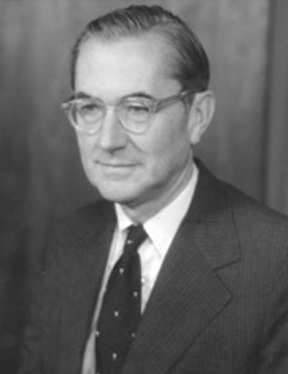


Early life and career
Born in St. Paul, Minnesota, Colby served in wartime intelligence during World War II and later joined the U.S. intelligence community. Over several decades he rose through operational and management ranks, working on assignments related to Europe and Asia and building a reputation as an experienced clandestine officer who combined field experience with institutional knowledge.
Director of Central Intelligence
Colby was appointed DCI during the Nixon era and continued in the post under President Richard Nixon and the Nixon administration transition, remaining in office into the term of President Gerald Ford. His tenure ended when he was succeeded by George H. W. Bush in January 1976. As DCI he managed a large, secretive bureaucracy at a time when public trust in intelligence agencies had eroded.
Reforms, controversies, and congressional oversight
In the early 1970s several investigations examined covert programs and alleged abuses. Colby played a central role in responding to congressional inquiries and in producing internal records that helped shape public understanding of past CIA activities. His cooperation with Senate and House investigators was controversial within parts of the intelligence community but is often credited with helping to establish clearer legal and oversight frameworks for intelligence operations.
- He oversaw or authorized reviews of past covert operations.
- He engaged with congressional committees that were investigating intelligence practices.
- His actions contributed to later reforms intended to balance secrecy with accountability.
Later life, death, and legacy
After leaving government service Colby worked in the private sector, taught, and wrote about intelligence matters. On April 27, 1996 he died while canoeing; reports indicate a sudden medical event such as a stroke or heart attack, while he was engaged in canoeing near Rock Point in Maryland. Colby’s legacy is mixed: critics fault some wartime and Cold War programs he oversaw, while supporters emphasize his role in opening channels for oversight and his efforts to adapt the agency to changing legal and political expectations.
Because of his long service, Colby remains a significant figure in studies of U.S. intelligence history. His career illustrates the tensions that arise when clandestine work meets democratic oversight and public accountability.
Author
AlegsaOnline.com William Colby: American Intelligence Leader and Reformer Leandro Alegsa
URL: https://en.alegsaonline.com/art/132900