
Borax (sodium borate): properties, history, uses and safety
Borax, commonly called sodium borate, is a white crystalline mineral used in cleaning, glassmaking, agriculture and industry. This article summarizes its chemistry, occurrence, history, applications and safety considerations.
Overview
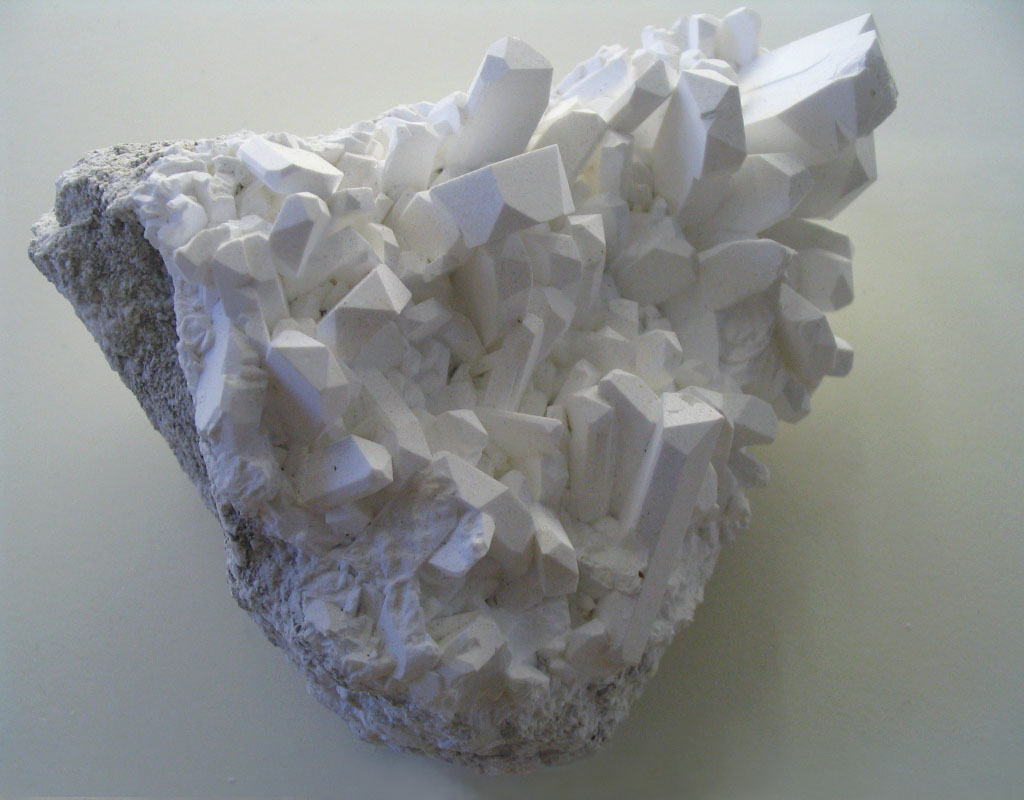
Borax is the common name for several hydrated sodium borate minerals and the commercial compound often written as Na2B4O7·10H2O. It appears as a white, soft crystalline powder that dissolves readily in water to give an alkaline solution. In commerce the term covers natural deposits and refined products used in household and industrial applications. For concise chemical data see chemical information and for a description of crystal habits see crystal appearance.
Image gallery
9 Images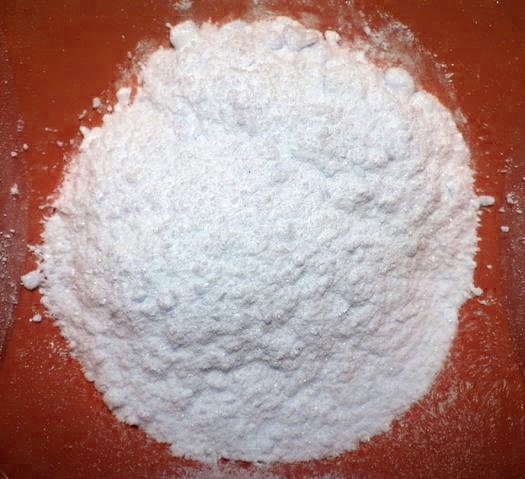






Properties and composition
Crystalline borax crystals are relatively soft and brittle. The hydrated form loses water on heating and converts to other borate species at higher temperatures. Its aqueous solutions are basic, and borax is a source of boron in chemical reactions. It dissolves more readily in warm water than in cold, a property used in many of its applications; further technical details and solubility references are available at solubility and handling.
Occurrence and history
Borax occurs naturally in evaporite deposits and dry lake beds (playas). Large commercial deposits were discovered in arid regions; notable late‑19th century development occurred in the deserts of California, where shallow beds were worked and popularized by brands and teams that hauled ore out of remote valleys. For more on historic mining locations see historic sites and for modern production and geology consult mining and occurrence.
Uses and applications
Borax has a wide range of uses in household, laboratory and industrial contexts. Common applications include:
- Household cleaners and laundry additives — as a water softener and stain remover.
- Glass, enamel and ceramics — to improve thermal and chemical resistance, notably in borosilicate glass.
- Industrial chemistry — as a flux in metalworking and soldering and as a precursor for other boron compounds.
- Agriculture and pest control — used in some formulations to control insects or as micronutrient source, where permitted.
- Laboratory reagent and buffer — occasionally used to prepare alkaline solutions and borate buffers.
Safety and notable facts
Borax is moderately toxic if swallowed in large amounts and can irritate skin and eyes on contact. Regulatory guidance varies by jurisdiction; it is recommended to follow product labels and safety data sheets, keep it away from pets and children, and use personal protective measures as appropriate. Although historically important in regional economies, modern supply and uses have evolved with synthetic chemistry and global trade.
Related articles
Author
AlegsaOnline.com Borax (sodium borate): properties, history, uses and safety Leandro Alegsa
URL: https://en.alegsaonline.com/art/13066