
Boron carbide (B4C)
Boron carbide is an extremely hard, lightweight ceramic (B4C) used for abrasives, armor, neutron control, and wear-resistant components; it combines high hardness with chemical stability but is brittle and hard to sinter.
Overview
Boron carbide (B4C) is a ceramic compound valued for extraordinary hardness and low density. Often described as one of the hardest known materials after diamond and cubic boron nitride, it is widely applied where wear resistance and light weight matter. As an industrial material it is described frequently as an extremely hard ceramic with refractory and chemically resistant properties.
Image gallery
5 Images


Structure and properties
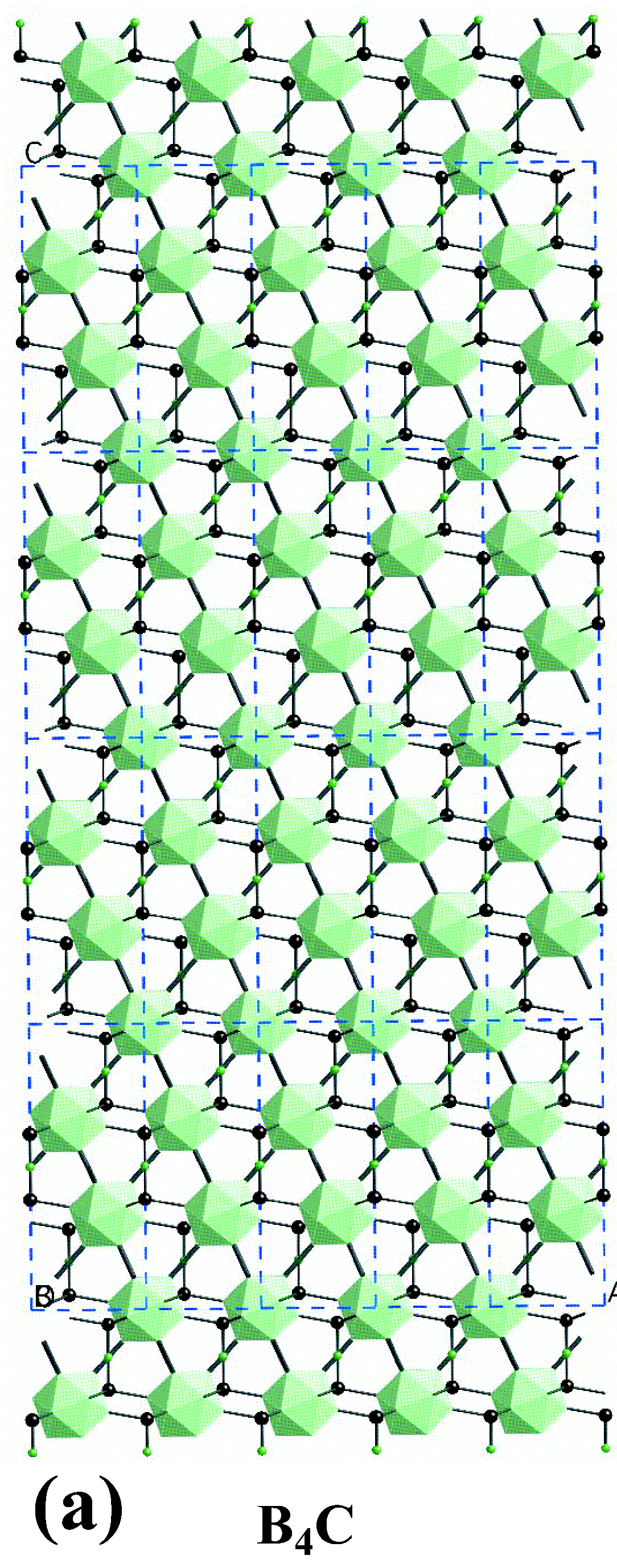
Boron carbide has a complex crystal arrangement built from boron-rich icosahedra linked by three-atom chains, which permits a range of compositions rather than a single fixed stoichiometry. This bonding gives the material very high hardness, good thermal stability and low density compared with many other hard ceramics. It is electrically semiconducting in many forms and resists many acids and alkalis, but it is intrinsically brittle and has relatively low fracture toughness.
History and production
The material was identified and produced in the early 20th century and became an important engineered ceramic during the mid-1900s as manufacturing methods improved. Commercial manufacture typically uses carbothermal reduction or direct reaction of boron- and carbon-containing precursors, followed by sintering or hot pressing to form dense shapes. Achieving full density is technically challenging, so manufacturers often use additives or form composites to improve toughness.
Applications
- Abrasives and cutting tools: powders and wheels for grinding and lapping, valued for long life and cutting speed; see abrasive uses here.
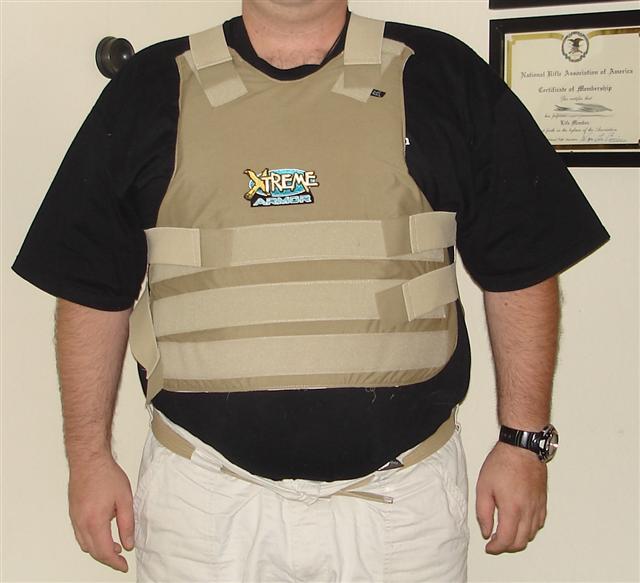
- Ballistic and structural armor: tiles and composite panels for vehicle and personal protection because of the combination of light weight and hardness.
- Nuclear industry: because of the high neutron cross-section of boron isotopes, boron carbide is used in control rods and neutron-absorbing components; technical uses are summarized here.
- Wear parts and specialty fasteners: added to shackle and lock materials for improved cut resistance; an example application is noted here.
Advantages, limits and notable facts
Boron carbide offers an exceptional hardness-to-weight ratio and good corrosion resistance, making it ideal for many abrasive and protective roles. Its main limitations are brittleness, sensitivity to impact damage, and the difficulty and cost of producing fully dense components. To mitigate these issues it is often used in combination with metals or other ceramics in composite systems. Researchers continue to explore improved processing routes and composite architectures to expand its usefulness.
Questions and answers
Q: What is boron carbide?
A: Boron carbide is a chemical compound with the formula B4C.
Q: What are the uses of boron carbide?
A: Boron carbide is often used as an abrasive, as armor, as a scratch-proof coating, as a neutron absorber in the control rods of nuclear reactors, and as an additive in the cut-resistant shackle in some padlocks.
Q: Is boron carbide a soft or hard ceramic?
A: Boron carbide is an extremely hard ceramic.
Q: Why is boron carbide used as armor?
A: Boron carbide is used as armor due to its high hardness and ability to withstand impacts and penetration by bullets and shrapnel.
Q: What is the role of boron carbide in nuclear reactors?
A: Boron carbide is used as a neutron absorber in the control rods of nuclear reactors to regulate the rate of nuclear reactions.
Q: How is boron carbide used in padlocks?
A: Boron carbide is used as an additive in the cut-resistant shackle in some padlocks to prevent them from being broken by force.
Q: Is boron carbide commonly used as an industrial chemical?
A: Boron carbide is not commonly used as an industrial chemical due to its high cost and limited availability.
Related articles
Author
AlegsaOnline.com Boron carbide (B4C) Leandro Alegsa
URL: https://en.alegsaonline.com/art/13147