
Death Valley: overview, landscape, history and natural significance
Death Valley is a desert basin in eastern California famed as the hottest, driest and lowest area in North America; its unique geology, ecology and cultural history attract scientists and visitors.
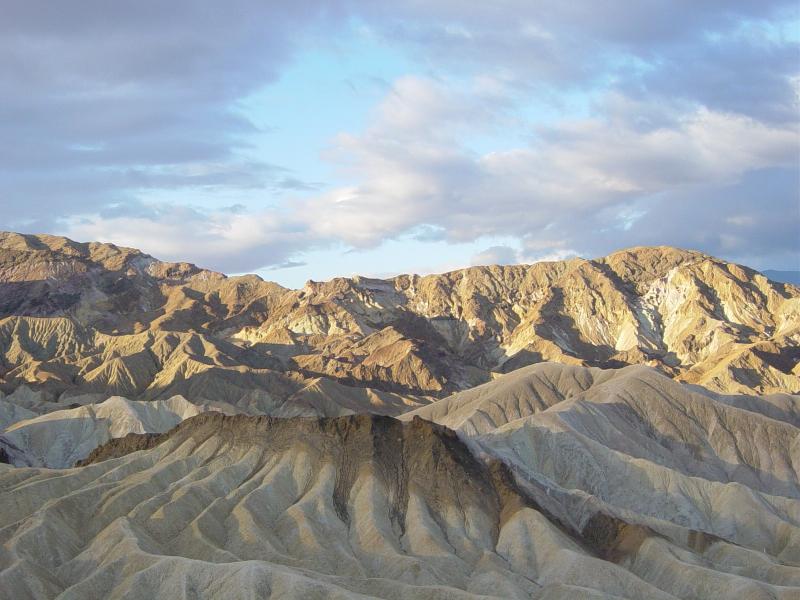
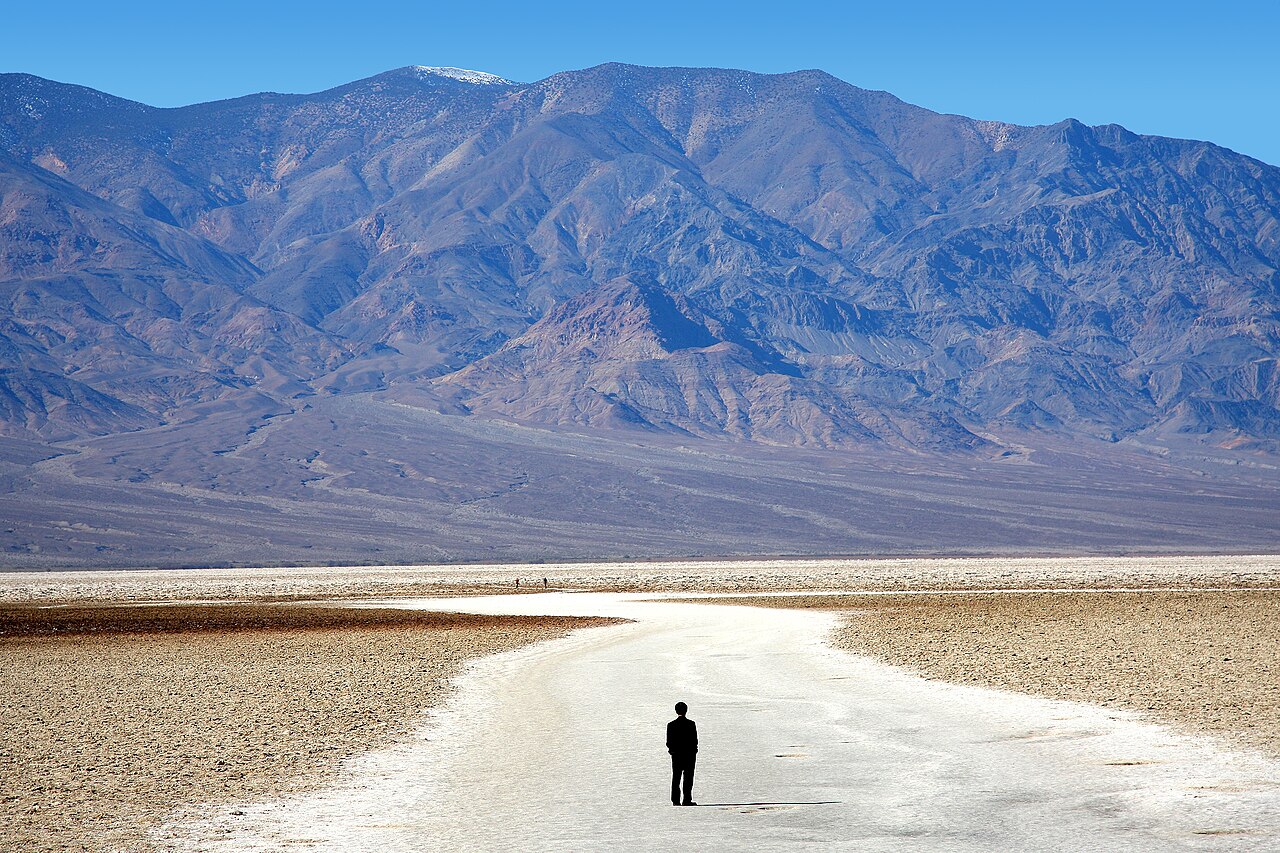
Death Valley is a broad arid basin in eastern the United States, located in the state of California. Much of the valley lies within Death Valley National Park, a protected area that preserves dramatic desert landscapes, historic mining sites and fragile ecosystems. The valley is widely known as one of the hottest, driest and lowest parts of North America, with large salt flats, alluvial fans and steep mountain ranges framing an often stark but scenic terrain.
Image gallery
10 Images




Geography and geology
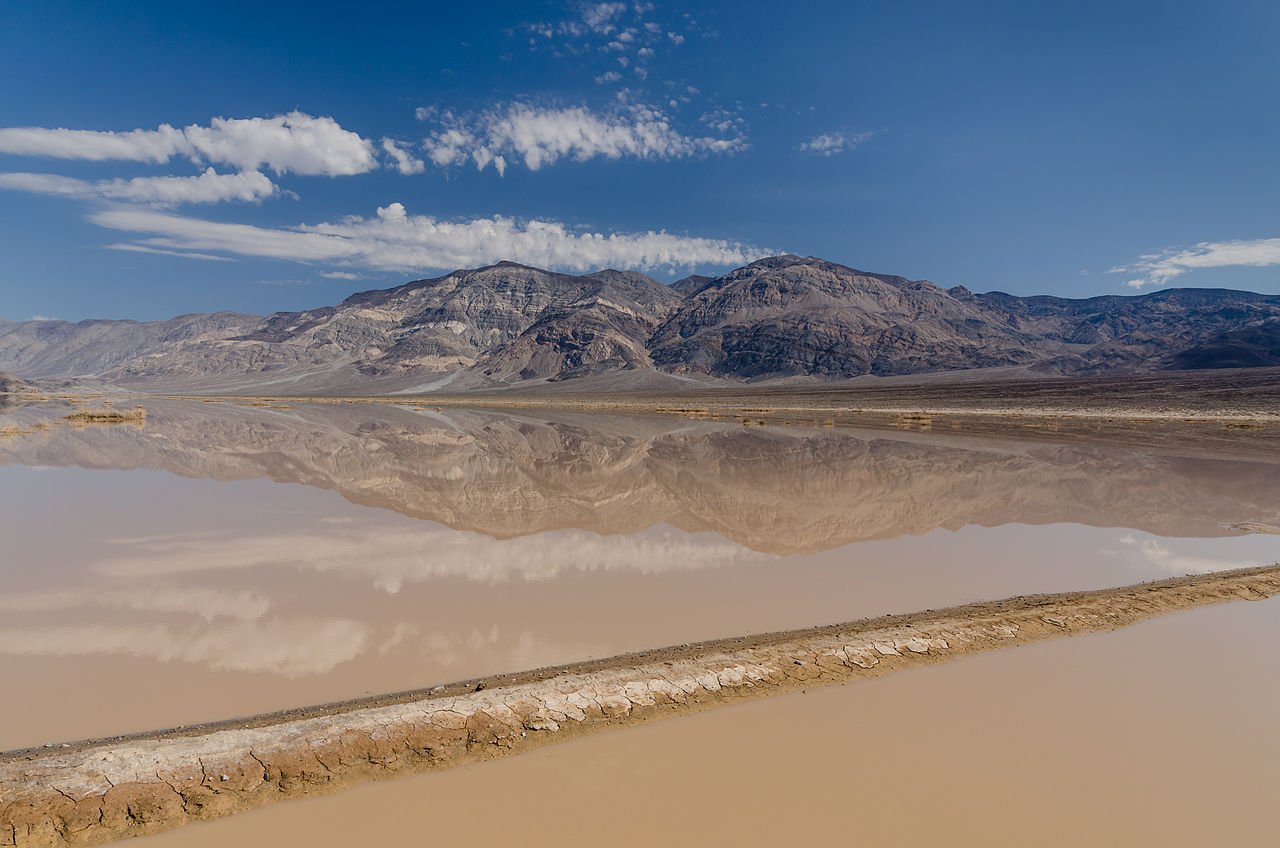
The valley is part of the Mojave ecosystem and lies to the southeast of the Sierra Nevada mountain range. Structurally, it is an endorheic basin: water that flows into the lowest spots does not reach the sea but evaporates, leaving extensive playas and salt crusts. Tectonic extension and uplift have created deep basins and fault-block mountains; wind and episodic water flow shape dunes, badlands and distinctive features such as rock-strewn playas.
Climate and ecology
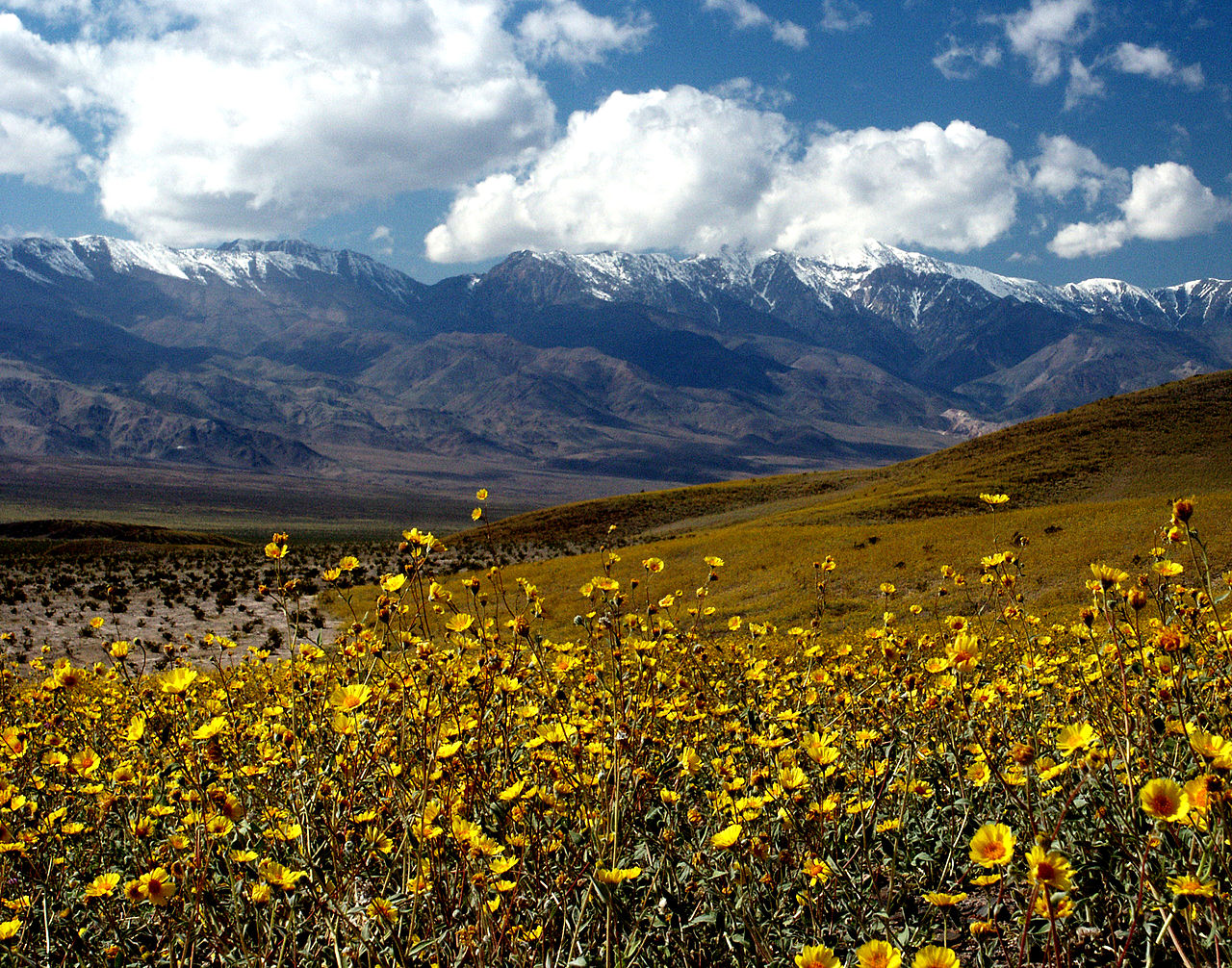
Rainfall is sparse and temperatures are extreme for much of the year. The region has produced some of the highest measured air temperatures on Earth; historical instrument records include an early 20th-century reading at Furnace Creek that is often cited in climate summaries, though extreme values are reviewed by climatologists. Despite harsh conditions, springs, oases and seasonal rains support specialized plants and animals. Creosote bush, salt-tolerant shrubs and short-lived wildflowers appear after storms, while desert tortoises, lizards, small mammals and adapted insects persist in microhabitats.
Human history
Indigenous peoples used springs and travel corridors across the basin for millennia, leaving archaeological traces. In the 19th and early 20th centuries, prospecting and mineral extraction—most famously borax mining and the early Twenty Mule Team era—shaped settlement and historic sites. Many mining ruins, interpretive exhibits and historic roads remain accessible to visitors and researchers.
Notable features and visitor guidance
- Badwater Basin, a large salt pan at the valley's lowest elevation, is a notable landmark.
- Sand dunes, colorful desert hills and eroded badlands provide varied scenery and photographic opportunities.
- Historic sites such as borax works and early mining camps illustrate cultural history.
- Unusual geological features, including sliding stones on playas and extensive salt crusts, attract scientific interest.
Visitors should consult park information before travel: summers can be hazardous and water, shade and planning are essential. For further reading on desert ecosystems and regional climate influences see resources on desert environments, continental climate extremes at North American climate summaries and the role of nearby ranges such as the Sierra Nevada in regional weather patterns. Additional interpretive material and safety guidance are available from official park sources and regional guides (mountain and desert guides, hydrology and basin studies).
Questions and answers
Q: Where is Death Valley located?
A: Death Valley is located in the U.S. state of California, southeast of the Sierra Nevada mountain range.
Q: What type of environment is Death Valley?
A: Death Valley is a desert and part of the Mojave Desert.
Q: What makes Death Valley unique?
A: Death Valley is the hottest, driest, and lowest place in North America. It is also an endorheic basin, which means that rivers in it do not flow to the sea.
Q: Is Death Valley a National Park?
A: Yes, it is a part of Death Valley National Park.
Q: How big is Death Valley?
A: The exact size of Death valley has not been determined but it covers approximately 3 million acres (12,000 km2).
Q: What kind of wildlife can be found in this area?
A: There are many species of animals that inhabit this area including bighorn sheep, coyotes, foxes, kangaroo rats and more than 200 species of birds.
Related articles
Author
AlegsaOnline.com Death Valley: overview, landscape, history and natural significance Leandro Alegsa
URL: https://en.alegsaonline.com/art/26049
Sources
- desertusa.com : "Death Valley National Park"
- wilderness.net : "Death Valley Wilderness"
- americansouthwest.net : "Badwater, Death Valley National Park, California"