
Books of the Bible: structure, traditions, and differences
Overview of the Books of the Bible, their internal divisions, how different faiths organize them, historical development of canons, and notable variations among Jewish, Catholic, Protestant and Orthodox traditions.
The phrase "Books of the Bible" refers to the individual named writings that together form the Bible. These writings vary in genre, date and origin, and are grouped into larger sections (commonly the Old Testament and the New Testament in Christian usage). The composition, ordering and accepted list of these books differs among religious communities and historical traditions. For a general reference to the whole Bible see the Bible.
Image gallery
7 Images



What each "book" means and typical divisions
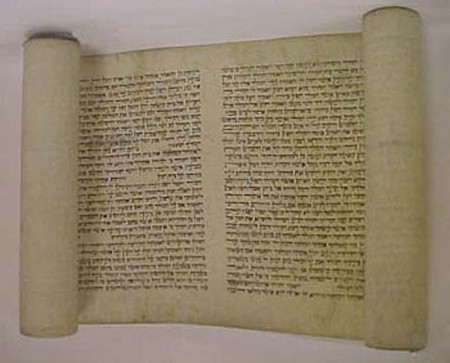
Each book is a distinct literary unit—some are historical narratives, others are collections of legal material, poetry, prophecy or letters. In many modern editions the books are arranged into familiar categories: for the Hebrew scriptures this often means the Torah (Pentateuch), the Prophets and the Writings; for Christian Bibles the material is typically divided into Old Testament (books preceding Jesus) and New Testament (Gospels, Acts, Epistles, Revelation). A useful reading outline can look like:
- Law / Pentateuch (e.g., Genesis–Deuteronomy)
- History (e.g., Joshua–Esther)
- Wisdom and poetry (e.g., Psalms, Proverbs)
- Major and minor prophets (e.g., Isaiah, Hosea)
- Gospels and Acts (Matthew–John, Acts)
- Epistles (letters attributed to apostles)
- Apocalyptic (e.g., Revelation)
Origins and historical development
The books emerged over many centuries in different communities and languages (Hebrew, Aramaic, Greek and later Latin). Early Jewish communities recognized a core canon; Christian communities adopted those texts and added writings about Jesus and the apostles. The process by which certain writings were accepted as authoritative—called the canon—was gradual and varied by region. For more on how different lists developed see discussions of Christian denominations and canon formation at denominational resources and scholarly overviews such as biblical canon studies.
Differences among religious traditions
Judaism and various branches of Christianity do not always include the same set of books or use the same order and titles. Jewish Bibles (Tanakh) collect the Hebrew scriptures in a tripartite arrangement; an overview of that tradition is available at Jewish scripture resources. Western Christianity has two main arrangements: Protestant editions commonly contain 66 books, while Roman Catholic editions include several additional texts and typically contain 73 books. Background material on Protestant and Catholic lists can be found at Protestant canon notes and Catholic references.
Eastern and Oriental traditions
Eastern Christian communions (including the Greek Orthodox and other Orthodox bodies) accept slightly different collections; some include additional books that are not in standard Western editions. For examples see resources on the Greek Orthodox tradition at Greek Orthodox canon or Slavonic practice at Slavonic usage. Other ancient churches—such as Georgian, Armenian, Syriac and Ethiopian communities—have their own canonical histories and may include writings recognized in their liturgical and scriptural traditions. See linked introductions for Old Testament contexts and New Testament contexts.
Uses, naming, and notable distinctions
Many book names derive from traditional authorship (for example, "Psalms" or "Isaiah") or from the book's main subject, though the true origins and authors of some books remain debated. Different translations and church traditions sometimes give the same book different names or group books differently for liturgical reading. Practical uses include public worship, private devotion, theology, and historical study. For deeper comparison among traditions and scholarly commentary, see comparative resources at Eastern Orthodox summaries and academic surveys referenced earlier (canon studies, denominational notes).
Because the exact list of accepted books was shaped by theological, historical, and linguistic factors, modern compilations often include explanatory introductions, textual notes and variant lists. Readers interested in the specifics of any one tradition will find specialized guides and critical editions helpful; consult the links above for starting points. Further reading can explore how particular books functioned in worship and how their ordering influences interpretation across communities.
Questions and answers
Q: What are the Books of the Bible?
A: The Books of the Bible are different sections or parts of the Bible. Each book has a different name and is usually named after the person who wrote it, although this isn't always the case.
Q: How do different religions and denominations view the Books of the Bible?
A: Different religions and denominations have different books or sections in their Bibles. They also use different names for some of these books. However, all religious groups have similar stories within their respective Bibles.
Q: Are there any tricks to memorizing the Bible?
A: Some people use tricks and ideas to help them memorize what is written in the Bible.
Q: What is a Biblical canon?
A: A Biblical canon is an official list of accepted books that make up a particular version or edition of a Bible. Different religious groups may have slight differences in their canons, but generally they will accept most if not all of what other groups accept as well.
Q: How do Eastern Orthodox churches differ from Roman Catholic churches when it comes to which books are accepted as part of their Biblical canon?
A: The Eastern Orthodox churches generally accept all of the same books that are accepted by Roman Catholic churches, however they may have small differences in terms of which specific books they include in their own canons.
Q: What does "Biblical canon" refer to?
A: Biblical canon refers to an official list or table that compares which Books are included in various versions or editions of Bibles used by different religious groups such as Judaism, Catholicism, Protestantism, Greek Orthodoxy, Slavonic Orthodoxy, Georgian Churches, Armenian Apostolic Churches, Syriac Churches and Ethiopian Churches - both Old Testament and New Testament texts being taken into account.
Related articles
Author
AlegsaOnline.com Books of the Bible: structure, traditions, and differences Leandro Alegsa
URL: https://en.alegsaonline.com/art/13010
Sources
- memoryverses.org : "How to Memorize Scripture"