
Books of Kings: composition, themes, and historical role
Overview of the biblical Books of Kings, their structure, themes, composition, and significance in Jewish and Christian traditions from Solomon to the Babylonian exile.
Overview
The Books of Kings are narrative books found in the Bible and traditionally counted among the writings that record Israel's monarchic period. In many English traditions they appear as two books, 1 Kings and 2 Kings, while in the Hebrew corpus the material is presented as a single work. They narrate the history of Israel's rulers from the end of David's reign through the ministries of Solomon, the division of the united monarchy, and the decline that culminates in exile.
Image gallery
4 Images
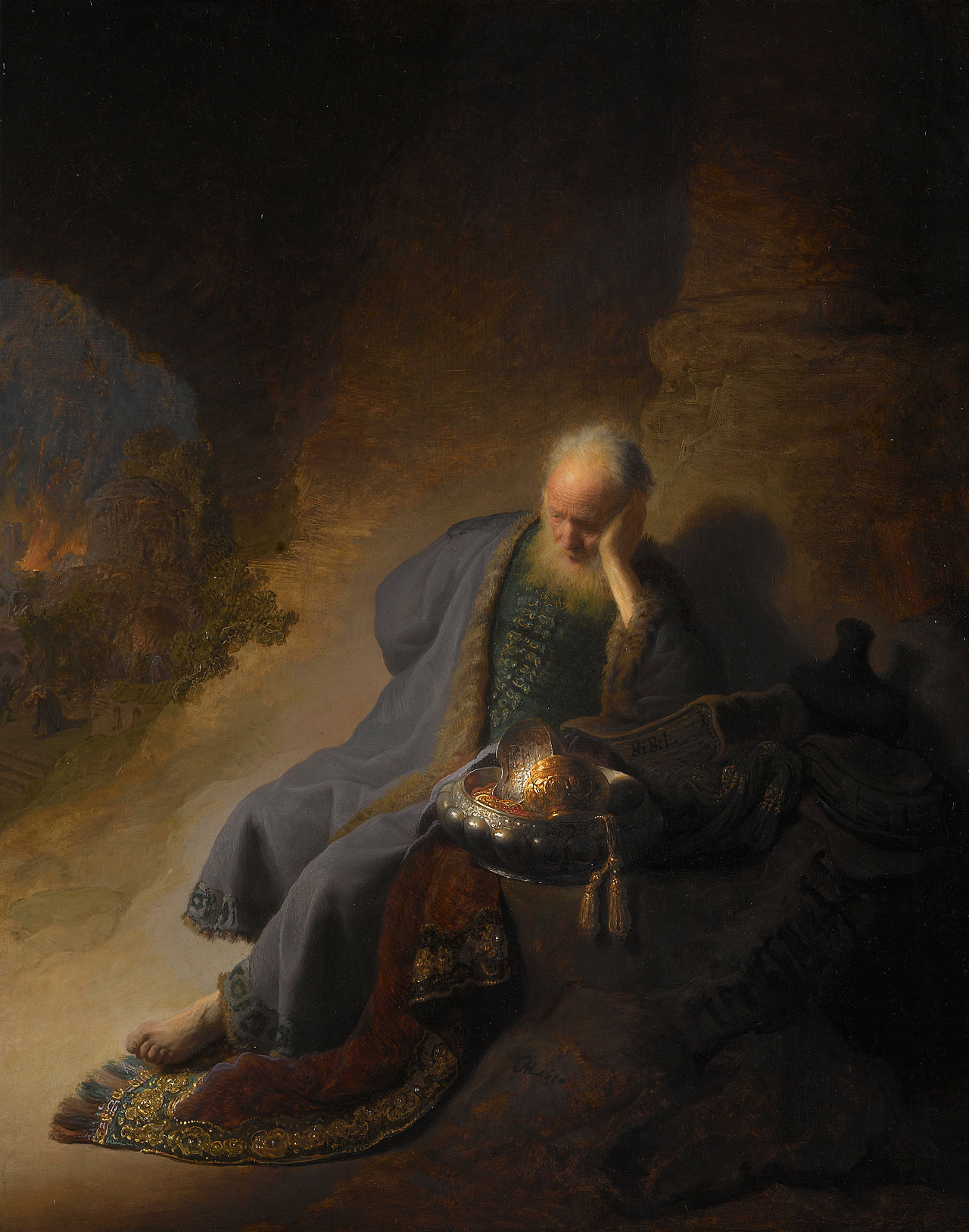


Structure and scope
The two books cover several centuries of political and religious development. The narrative begins with Solomon's accession and descriptive accounts of his reign, including the building of the Temple, then moves to the split between the northern kingdom (commonly called Israel) and the southern kingdom (Judah). The story continues through successive dynasties until the removal of the people to the Babylonian exile. Readers encounter rulers, prophetic figures, court chronicles, and ritual concerns woven together into a theological history.
Themes and major figures
Central themes include covenant fidelity, the criteria of legitimate kingship, and the role of prophecy in public life. Prominent personalities include Solomon and his famed wisdom, the prophets such as Elijah and Elisha who confront royal authority, and a succession of northern and southern kings judged according to religious standards. The books often interpret political fortunes as consequences of covenantal obedience or failure, a pattern that shapes the narrative's moral perspective. Scholarly treatments frequently emphasize the books' interest in history as shaped by theological reflection.
Composition and sources
Modern scholarship sees the Books of Kings as the result of editorial work that compiled earlier materials—royal annals, prophetic reports, temple records, and oral tradition—into a continuous account. Many scholars date the final composition or major redaction to the exilic or early post‑exilic period, when the community was interpreting national catastrophe. Later Jewish tradition sometimes associated the compilation with prophetic figures, and the books occupy an important place in both Judaism and Christianity as authoritative history and theology.
Importance and interpretation
The Books of Kings are used for theological teaching, historical inquiry, and literary study. They offer case studies in leadership, social consequences of religious policy, and interactions between prophets and monarchs. For historians and archaeologists the narrative provides material that can sometimes be compared with inscriptions and material culture, though interpreters treat its chronology and selective reporting with caution. The books have also influenced later religious reflection about power, repentance, and national destiny.
Key topics at a glance
- Canonical placement: single book in the Hebrew Bible, split into two in many Christian Bibles (Old Testament tradition).
- Geographic and political focus: the kingdoms of Israel and Judah after Solomon.
- Theological lens: covenant, prophecy, and temple worship as interpretive keys.
- Historical endpoint: exile to Babylon and reflections on national collapse (Babylonian exile).
Questions and answers
Q: What are the Books of Kings?
A: The Books of Kings are a set of books in the Old Testament that is seen as part of the Bible by both Judaism and Christianity.
Q: What does it describe?
A: The Books of Kings describes the history of Israel's kings from the end of the rule of David until the time of the Babylonian exile, covering about 450 years.
Q: What does it write about Solomon's rule?
A: It gives a long description about Solomon's rule.
Q: How was Israel divided?
A: 1 and 2 Kings writes how the kingdom of Israel was divided into two parts - Kingdom of Israel and Kingdom of Judah.
Q: Who wrote these books?
A: It is not known who wrote these books, but they are believed to be written by several authors over a period time.
Q: When did this period take place?
A: This period took place between end of David's reign until time before Babylonian exile, which covers around 450 years.
Q:What is their importance for Judaism and Christianity ? A:The Books Of Kings are important for both Judaism and Christianity as they form partof their religious scriptures .
Related articles
Author
AlegsaOnline.com Books of Kings: composition, themes, and historical role Leandro Alegsa
URL: https://en.alegsaonline.com/art/13008