
Boeing E-6 Mercury — U.S. Navy Airborne Command and Communications Aircraft
The Boeing E-6 Mercury is a U.S. Navy airborne command-post and communications relay aircraft derived from the Boeing 707, designed to maintain secure links with strategic forces and provide continuity of command.
The Boeing E-6 Mercury is a specialized U.S. Navy platform built for persistent command and control. Classified as a military aircraft, the E-6 serves as a long-endurance airborne node for strategic communications and national command functions. It is a militarized derivative of the Boeing 707, extensively modified by Boeing to carry robust communications gear, antennas, and workspaces for mission crews.
Image gallery
5 Images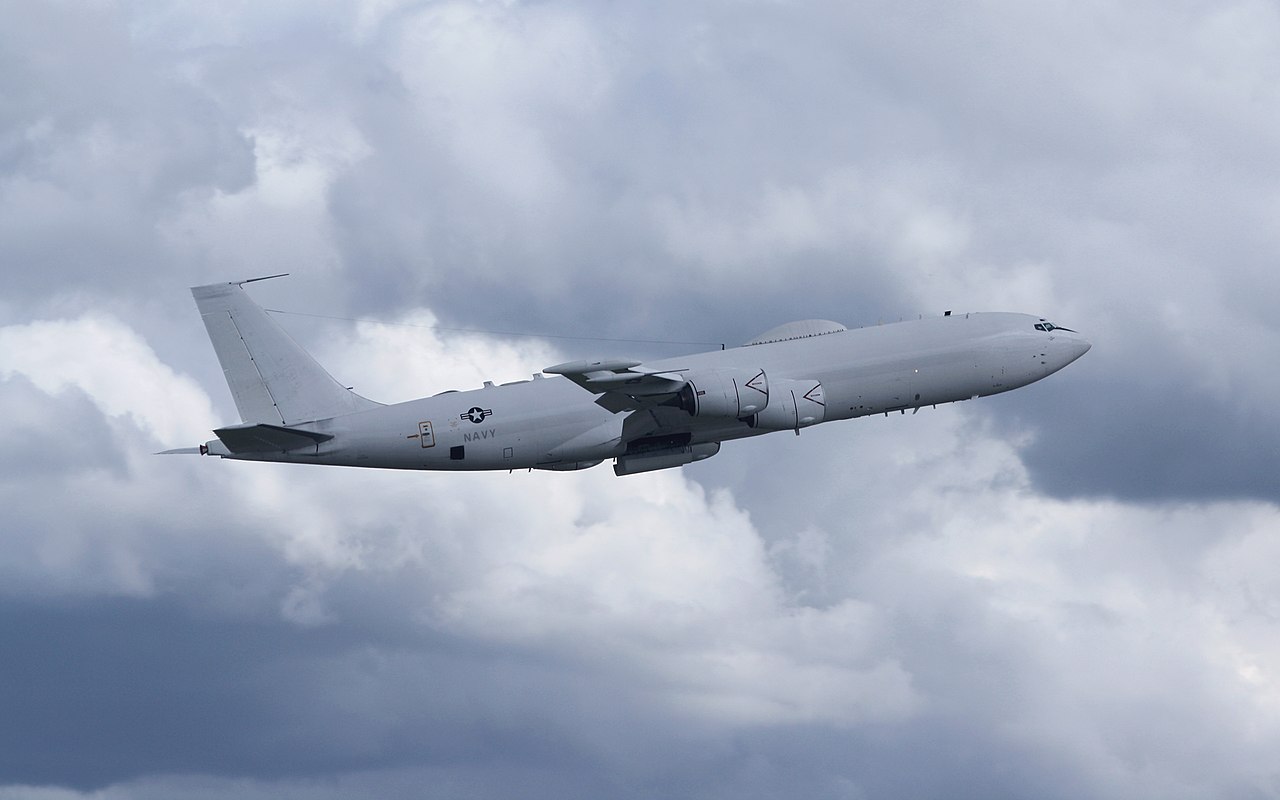


Key characteristics
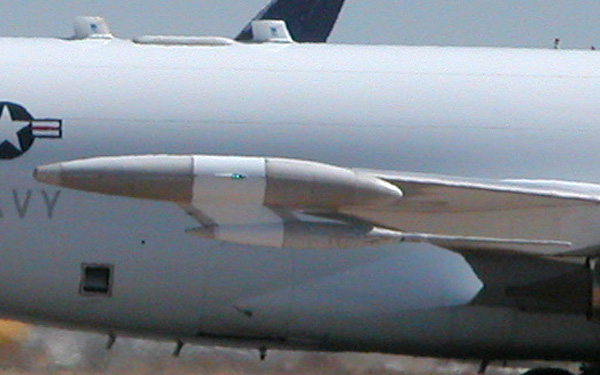
The airframe retains the basic airliner shape but is fitted with specialized hardware to support secure, survivable links. Modifications include high-power transmitters, long-range antennas, hardened communications suites and internal desks for staff officers and operators. The E-6 can operate for extended periods and is designed to communicate with submerged ballistic-missile submarines, land-based strategic forces and higher headquarters.
- Primary mission: airborne command post and communications relay (TACAMO).
- Communications: very low frequency (VLF) and other secure voice/data paths.
- Variants: baseline platform later upgraded to an airborne command and control standard.
History and development
Developed during the Cold War era to replace older systems, the E-6 entered service as a dedicated asset to ensure continuity of command during crises. The program adapted an established commercial airframe rather than creating a bespoke design, shortening development time and leveraging proven reliability. Over time the fleet received avionics and communications updates to keep pace with evolving operational requirements.
Role and operations
Often associated with the acronym TACAMO (Take Charge And Move Out), the E-6 links civilian and military leaders with strategic forces. It can serve as an airborne headquarters airborne headquarters when needed and functions as a communications relay communications asset capable of transmitting emergency action messages. This layered capability helps maintain a credible and survivable command-and-control posture during severe contingencies.
Notable facts and distinctions
The E-6 is among the largest aircraft operated by the Navy and stands out because it blends airliner endurance with military-grade mission systems. Its design emphasizes resilience and continuous operation rather than speed or stealth. While many platforms support tactical communications, the E-6’s focus on strategic, secure, and submarine-reachable links makes it unique within the U.S. military inventory.
Related articles
Author
AlegsaOnline.com Boeing E-6 Mercury — U.S. Navy Airborne Command and Communications Aircraft Leandro Alegsa
URL: https://en.alegsaonline.com/art/12657