
Booby trap
A booby trap is a concealed device or setup intended to injure, kill, or surprise people; used historically in warfare and criminal contexts, it relies on unsuspecting triggers and carries legal and ethical risks.
Overview
A booby trap is a concealed device or arrangement designed to surprise, injure, or kill a person who unwittingly activates it. Typically hidden or disguised, a booby trap responds to an ordinary action by the victim—such as moving an object, opening a door, or stepping on the ground—so that the harm appears to come without warning. The term covers a broad range of mechanisms from mechanical snares to explosive charges and electrical or chemical hazards. Many discussions of booby traps emphasize both their physical effects and their psychological impact on people moving through a threatened area; a single example can cause individuals to slow down, change routes, or experience lasting fear.
Image gallery
10 Images


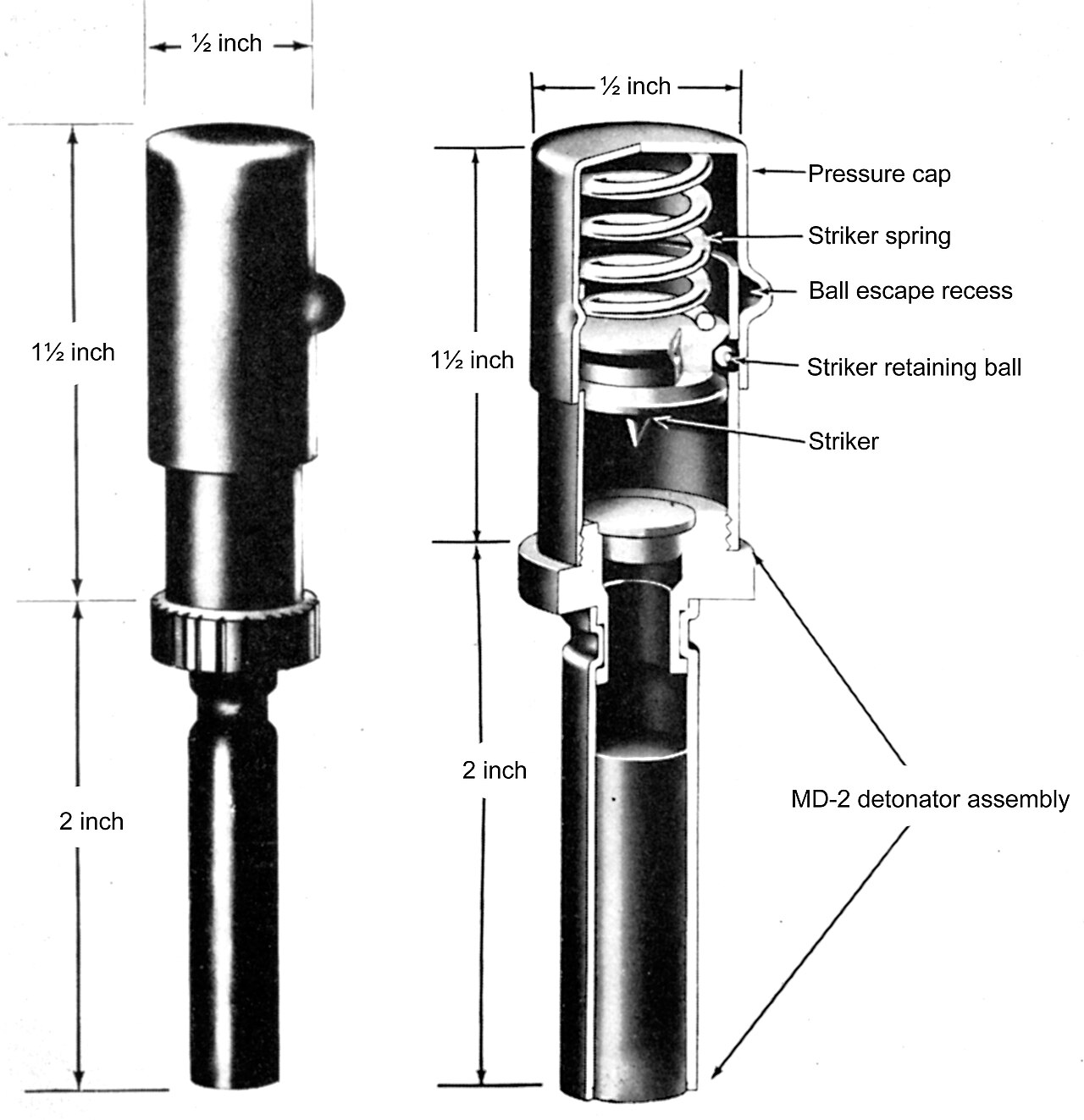


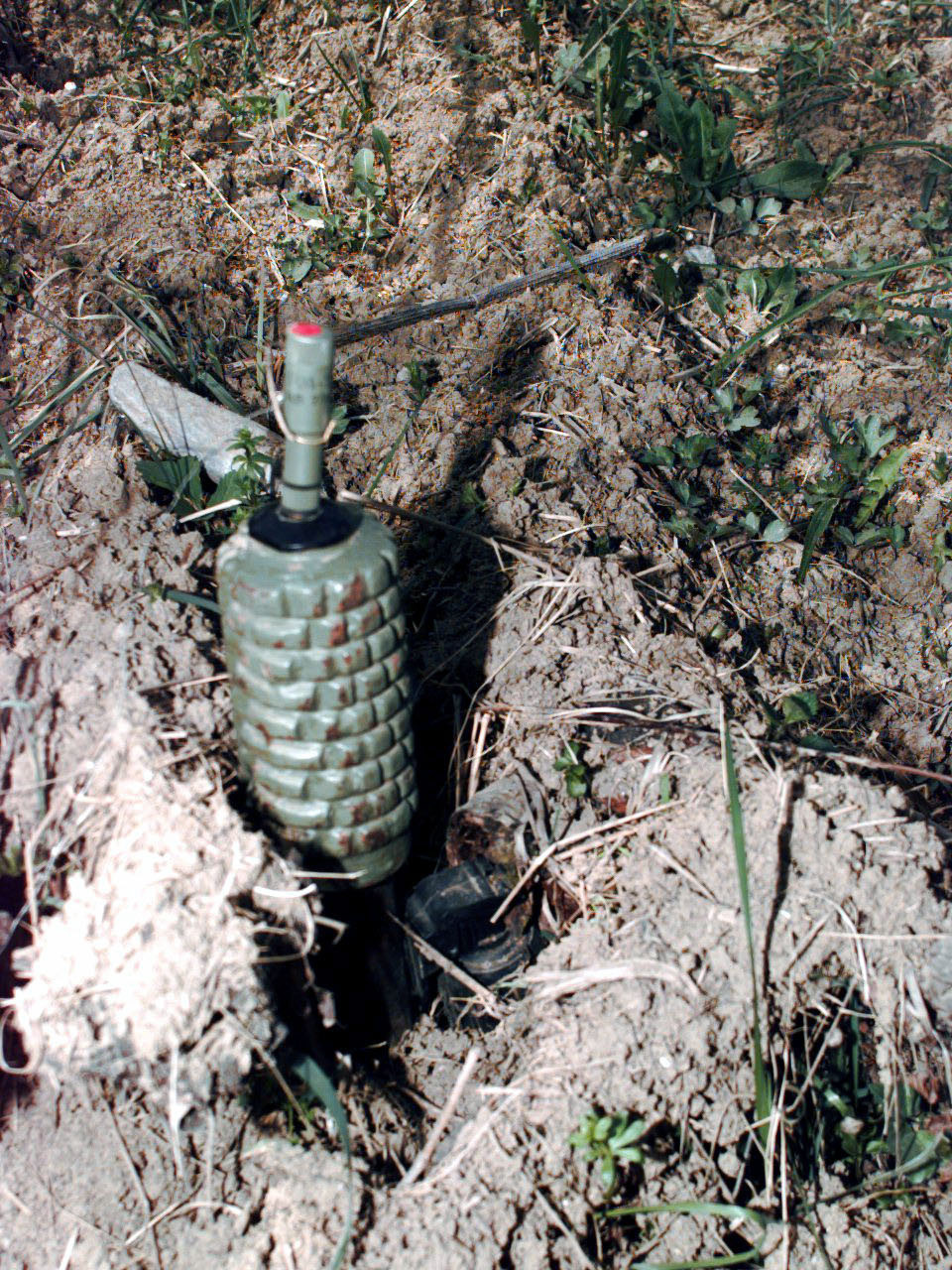

Design, triggers and common features
Most booby traps share several design elements: a concealed activation method, a triggering action, and an injurious effect. The initial component is the visible or hidden device or setup that contains the hazardous element. A booby trap is intended to surprise or harm, and it is often set so that it is triggered by routine behavior. The person who activates the mechanism is the victim in most definitions. In practice, thse triggers can be simple (a pressure plate, tripwire or lever) or complex (electronic sensors, remote timing, or vehicle-activated arrangements).
History and military use
Booby traps have existed in various forms for centuries as improvised weapons, ambush aids, and defensive measures. In modern warfare, they became notably widespread in irregular and guerrilla conflicts, where small forces used hidden devices to slow, harass, or inflict casualties on larger opponents. For example, in the Vietnam War booby traps were a prominent threat to American troops and contributed substantially to total casualties and cautionary tactics. Commanders recognized their value as a form of psychological warfare, since traps force armies to operate more slowly and expend resources on detection and clearance.
Typical uses and settings
Booby traps are deployed where occupants or trespassers are likely to act without suspicion. They are often baited with attractive objects or access points to increase the chance of activation. A trap may rely on bait such as food or possessions, or on routing people through a narrow or predictable channel. Some common contexts include:
- Domestic and improvised property protection, where owners attempt to guard against theft or intrusion, sometimes illegally—here an bait or visible lure may be used.
- Criminal concealment, where traps are used to guard drugs or contraband and to cause injury or pain to intruders.
- Roadside and vehicle attacks, including improvised explosive devices that detonate when vehicles pass or when a roadway is disturbed; these are often referred to as IEDs.
- Perimeter or protected-area defenses that act against owners or legal property intrusions, sometimes set by people who wish to prevent theft.
Types and triggering actions
Booby traps can be categorized by their activation method or intended effect. Common triggers include stepping, opening, lifting, switching, or moving an object—simple everyday motions like opening a door or picking something up can be enough to activate a trap. Other triggers detect motion, pressure, sound, or electrical changes. Traps may be designed to maim, immobilize, or kill, or to cause alarm and delay.
Legal, ethical and safety considerations
In most jurisdictions, constructing and deploying booby traps that can harm people is illegal and can result in criminal charges, even when used to protect property. Ethically, they are problematic because they do not reliably distinguish between malicious intruders, children, emergency responders, and bystanders. For professionals tasked with responding to suspected traps—military engineers, bomb squads, or police—protocols emphasize detection, cordoning, and safe removal. Public guidance recommends never attempting to disarm or tamper with a suspected device and calling specialized authorities instead; many educational resources and official safety pages provide step-by-step emergency advice about roads and corridors and how to report suspicious items.
Notable distinctions and related terms
Related concepts include landmines, tripwires, booby-trapped weapons, and improvised explosive devices. In warfare, the distinction between a booby trap and a mine often rests on intent and concealment: mines are area-denial weapons placed for later contact, while booby traps are usually designed to be activated by a person’s particular action. In peacetime, devices intended primarily to shock rather than injure are sometimes distinguished from lethal traps, but legal systems often treat harmful devices similarly regardless of claimed intent. Additional discussion and historical examples are available through various military manuals and safety organizations on guerrilla tactics and harm reduction measures.
For more background and references, readers can consult materials on historical incidents, forensic analysis, and law enforcement procedures at authoritative sources about victims and post-incident care, or technical guides on sensor and trigger design relating to drugs and contraband protection. Practical prevention steps include securing property by legal means, using non-hazardous alarms and surveillance, and educating communities about the dangers and legal consequences of setting traps related to psychological warfare. Further technical, legal, and safety resources are available through official channels device, investigative reports on surprise, and emergency response centers that explain triggering. For civilian vehicle threats and road safety, consult informational pages about vehicles and counter-IED practices on IEDs.
Questions and answers
Q: What is a booby trap?
A: A booby trap is a device or setup that is intended to kill, harm or surprise a person. It is usually triggered by the actions of the victim who did not know the booby trap was there.
Q: How are booby traps used in war?
A: In war, booby traps are a form of psychological warfare. They are designed to make soldiers slow down and be very cautious. As the word trap implies, they sometimes have some form of bait to attract the victim. At other times, the trap is set to act upon trespassers that come into personal or restricted areas. The device can be triggered when the victim performs some type of everyday action such as opening a door, picking something up or switching something on. They can also be triggered by vehicles driving along a road such as an improvised explosive devices (IED's). Often booby traps are placed in choke points where people or vehicles would normally move through.
Q: What percentage of American casualties during Vietnam War were due to booby traps?
A: Nearly 70% of American casualties during Vietnam War were due to booby traps.
Q: Are lethal booby traps commonly used in warfare?
A: Yes, lethal booby traps are often used in warfare, particularly guerrilla warfare.
Q: Who uses non-lethal types of booby traps?
A: Non-lethal types of boobytrap may be used by criminals wanting to protect drugs or other illicit property and owners of legal property who wish to protect it from theft.
Q: What kind of actions can trigger a boobytrap?
A: Boobytraps can be triggered when someone performs everyday actions like opening a door, picking something up or switching something on and they can also be triggered by vehicles driving along roads such as improvised explosive devices (IEDs).
Related articles
Author
AlegsaOnline.com Booby trap Leandro Alegsa
URL: https://en.alegsaonline.com/art/12946
Sources
- joellambert.com : "The History of Booby Traps"