
Louis Kahn — architect, teacher, and master of monumental light
Louis Kahn (1901–1974) was a Philadelphia‑based architect celebrated for monumental, materially expressive buildings, influential teaching, and a distinctive use of light and geometry.
Overview
Louis Isadore Kahn, born Itze‑Leib Schmuilowsky in 1901 in the territory that is now Estonia, became one of the most influential American architects of the mid‑20th century. Working from Philadelphia, he combined modernist concerns with a profound interest in classical monumentality, producing buildings noted for their strong geometric forms, tactile materials and carefully orchestrated natural light. Kahn was both a practicing designer and a long‑time educator whose ideas shaped generations of architects.
Image gallery
10 Images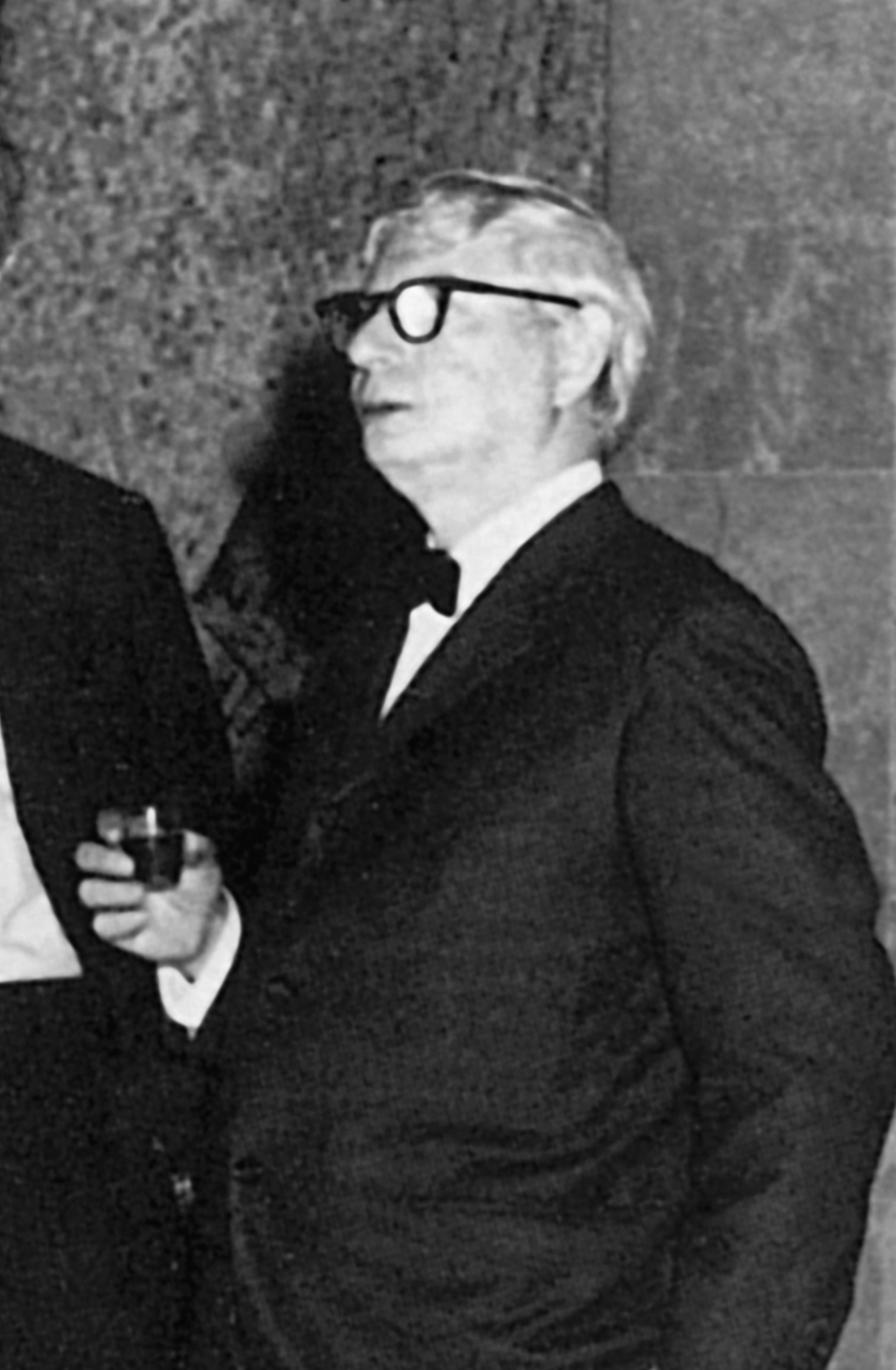

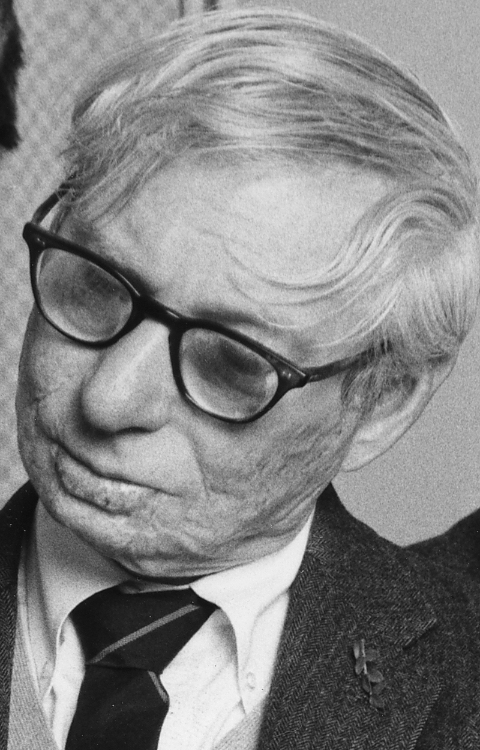


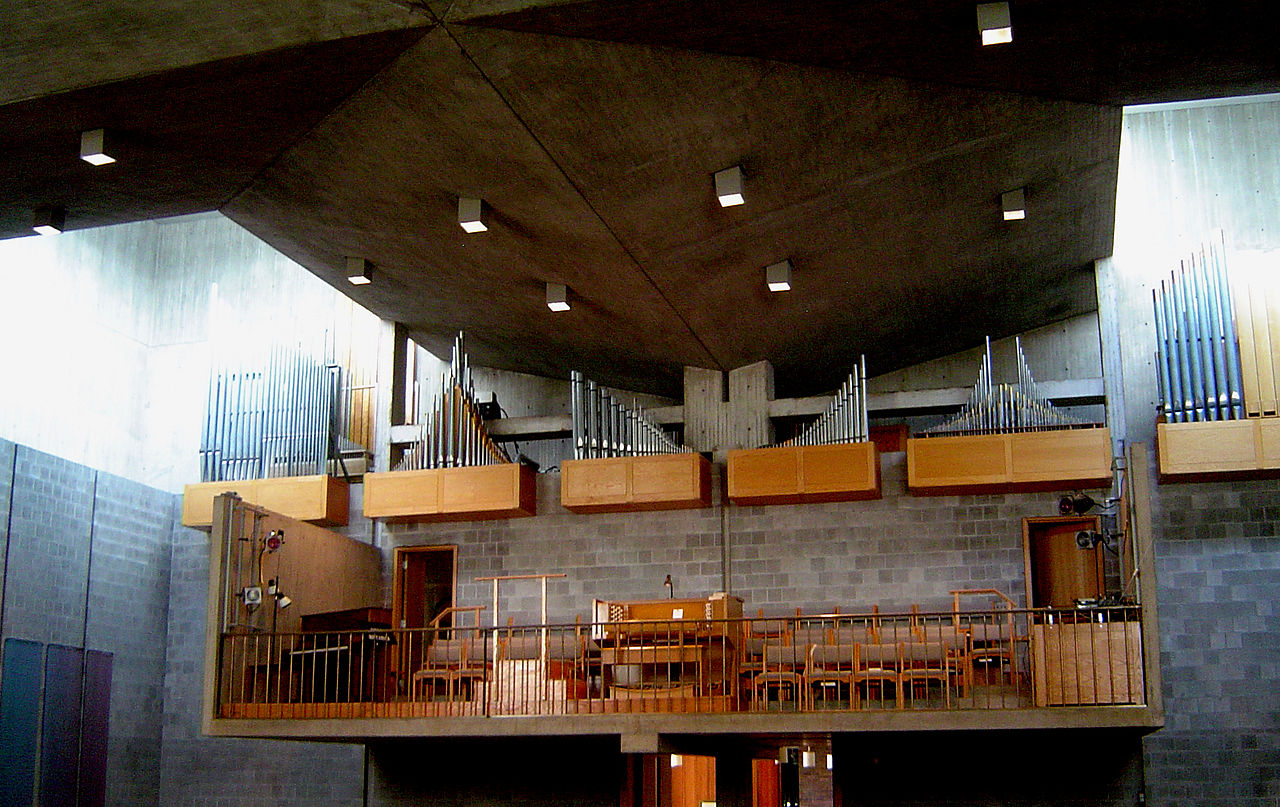


Life and career
Kahn emigrated to the United States as a child and established his own atelier in 1935. He balanced private practice with an active academic life: he taught and lectured widely, serving as a design critic and faculty member at institutions including Yale and later the University of Pennsylvania. Much of Kahn's professional life and many of his completed projects were centered in and around Philadelphia. His professional identity as an architect was inseparable from his role as a teacher and theorist.
Design characteristics
- Geometry and form: Kahn favored clear, often monumental geometric volumes—cylinders, rectangles, and arches—arranged to give a building an unmistakable presence.
- Material honesty: He celebrated the inherent qualities of materials such as brick, concrete and wood, leaving surfaces and joints legible rather than hidden.
- Light as an element: Natural light was treated as a primary design component; openings, light wells and controlled skylights shape internal atmospheres and spatial hierarchy.
- Served and servant spaces: Kahn articulated a building’s functional systems (stair, mechanical, circulation) as distinct, complementary elements within a larger composition.
Notable works and examples
Kahn’s portfolio includes institutional, civic and educational commissions that illustrate his approach to space and structure. Important examples are:
- Phillips Exeter Academy Library (New Hampshire) — celebrated for its modular planning and luminous reading rooms;
- Salk Institute (La Jolla) — a contemplative research complex that uses concrete and teak to define a dramatic central courtyard;
- Kimbell Art Museum (Fort Worth) — noted for its vaulted concrete galleries and refined control of daylight;
- National Assembly Building (Dhaka) — an ambitious civic work combining monumental form with cultural symbolism.
Teaching, legacy and final years
As a teacher, Kahn influenced many through his rigorous studio practice and his emphasis on the ethical and poetic responsibilities of architecture. He received major professional recognition during his lifetime and after, and his buildings continue to be studied for their tectonic clarity and emotional power. Kahn spent his later years teaching at the School of Design at the University of Pennsylvania, where his seminars and critiques left a lasting imprint on students and colleagues.
Notable facts
Though often associated with modernism, Kahn rejected fashionable stylistic labels, preferring to speak of permanence, essence and the human experience of space. His personal history — born Itze‑Leib Schmuilowsky and raised in an immigrant family — informed a life in which private complexity contrasted with public clarity. Kahn died suddenly of a heart attack in March 1974 while passing through Penn Station in Manhattan. His career remains a touchstone for architects interested in material presence, the choreography of light, and architecture’s capacity to convey civic and spiritual meaning.
For further reading and archival material, consult institutional records and contemporary monographs that document his drawings, buildings and lectures. Many university libraries and architecture centers hold collections that explore Kahn’s theory and built work in depth; these resources often appear in catalogs and exhibitions linked to academic and museum sites (birthplace and early life background is documented in specialized biographies and archives).
Related articles
Author
AlegsaOnline.com Louis Kahn — architect, teacher, and master of monumental light Leandro Alegsa
URL: https://en.alegsaonline.com/art/125388