
Luis Barragán: Mexican architect who married modernism with poetic space
Luis Barragán (1902–1988), Mexican architect and engineer celebrated for vivid color, light, and serene modernist spaces; Pritzker Prize laureate and creator of the Luis Barragán House and Studio.
Overview
Luis Ramiro Barragán Morfín (1902–1988) was a Mexican architect and engineer whose work is widely studied for its unusual combination of modernist form and emotive, almost sculptural use of color, light and landscape. Trained in engineering and exposed to international modernism, Barragán developed a personal approach that drew on Mexican vernacular building, gardens and a sensitive control of spatial experience.
Image gallery
10 Images




Design and characteristics
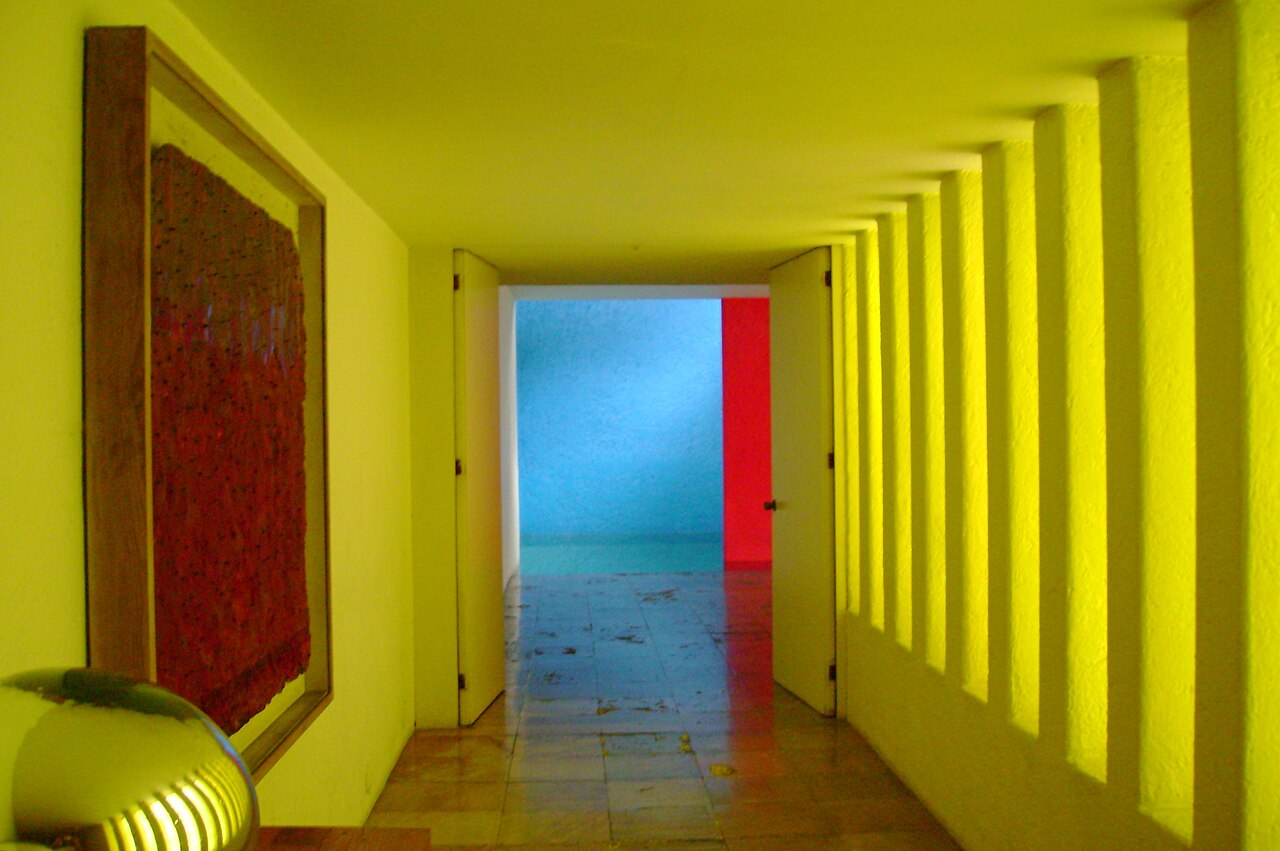
Barragán’s buildings are known for their simple volumes, strong planes of color, carefully framed views, and the disciplined use of natural light and water to shape atmosphere. He favored plain masonry walls painted in saturated hues, courtyards and reflecting pools, and sequences of spaces that move from intimate to monumental. Critics often point to the way he treated silence, shadow and texture as integral design elements rather than mere ornament.
- Color: bold but composed palettes that relate to landscape and sky.
- Light: controlled daylighting to create moods and reveal surfaces.
- Landscape: courtyards, gardens and water as architectural devices.
Major works and career
Among Barragán’s best-known projects are his own House and Studio in Mexico City, where his theories about space and material are most clearly expressed. He also collaborated with artist Mathias Goeritz on the Torres de Satélite, a landmark urban sculpture and architectural project. Later residences such as Casa Gilardi and several works in the Pedregal neighborhood exemplify his mature language: refined geometries animated by earthy textures and intense color.
Influence, recognition and legacy
Barragán received the Pritzker Architecture Prize in 1980, an acknowledgement of his singular contribution to modern architecture. His personal house and studio were inscribed as a UNESCO World Heritage Site in 2004, recognized for their influence on contemporary practice and architectural pedagogy. Students and practitioners travel internationally to study his buildings, which continue to inspire architects interested in the emotional possibilities of space.
Life and final years
Born in Guadalajara, Barragán spent much of his career working in Mexico City. He lived a relatively private life and left a modest but powerful body of work. He died in Mexico City of complications related to Parkinson's disease in 1988. For more on his life and projects see authoritative archives and museum collections, including resources listed by cultural institutions and specialist publications (UNESCO listing). Additional biographical and technical references are available through architectural libraries and dedicated online resources (Mexico City resources, professional records).
Related articles
Author
AlegsaOnline.com Luis Barragán: Mexican architect who married modernism with poetic space Leandro Alegsa
URL: https://en.alegsaonline.com/art/125524