
Tallest buildings in Chicago
Overview and context for Chicago's tallest buildings: measurement methods, notable skyscrapers, historical development, uses, and ranking issues that affect lists of the city's highest structures.
Chicago's skyline is one of the most recognized in the world and a frequent subject of lists comparing building heights. A list of the tallest buildings in the city helps document engineering milestones, architectural styles and patterns of urban growth. Because height can be reported in several ways, reliable lists state the measurement standard they use and whether entries are completed, topped out, proposed or demolished.
Image gallery
10 Images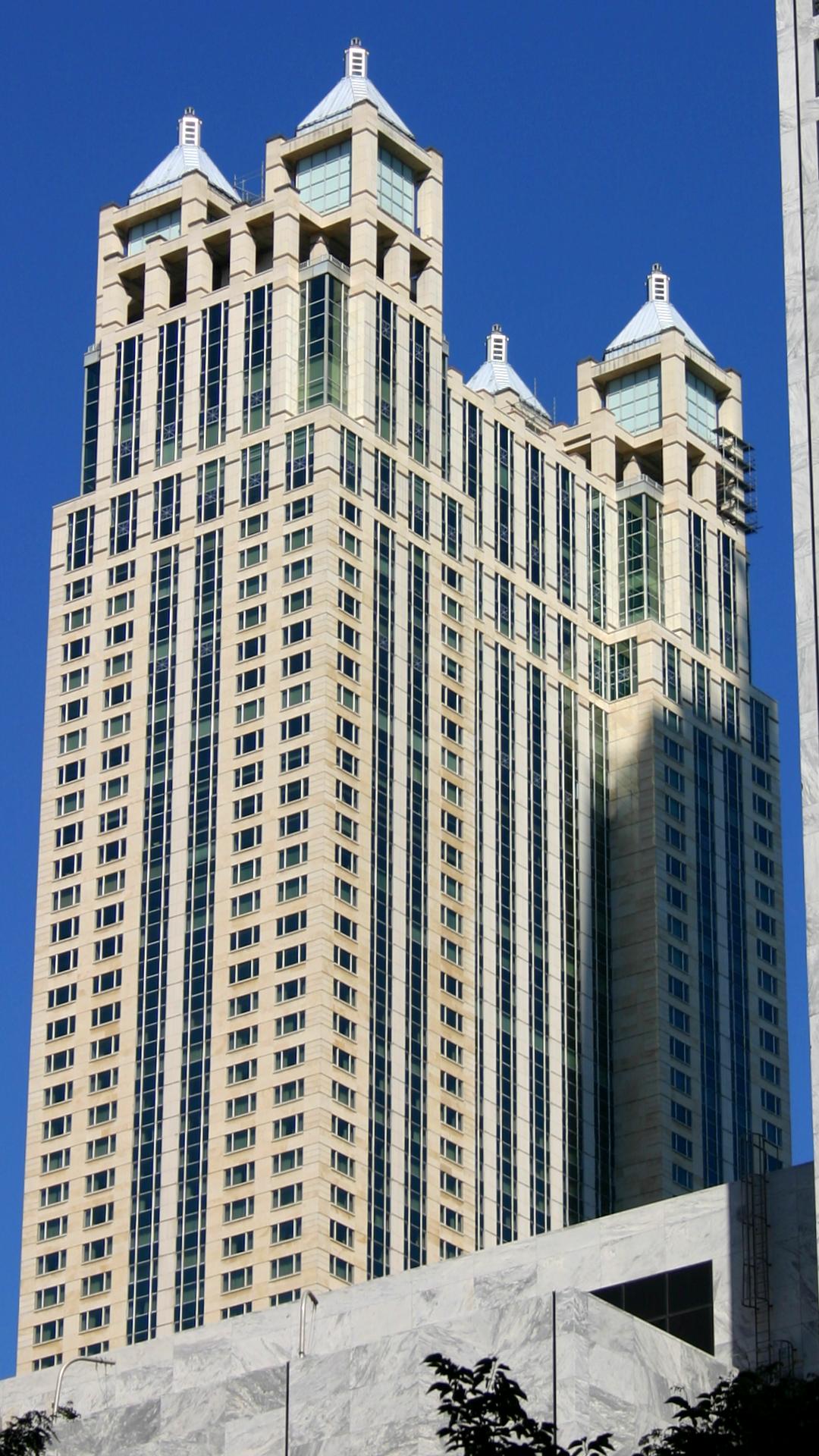


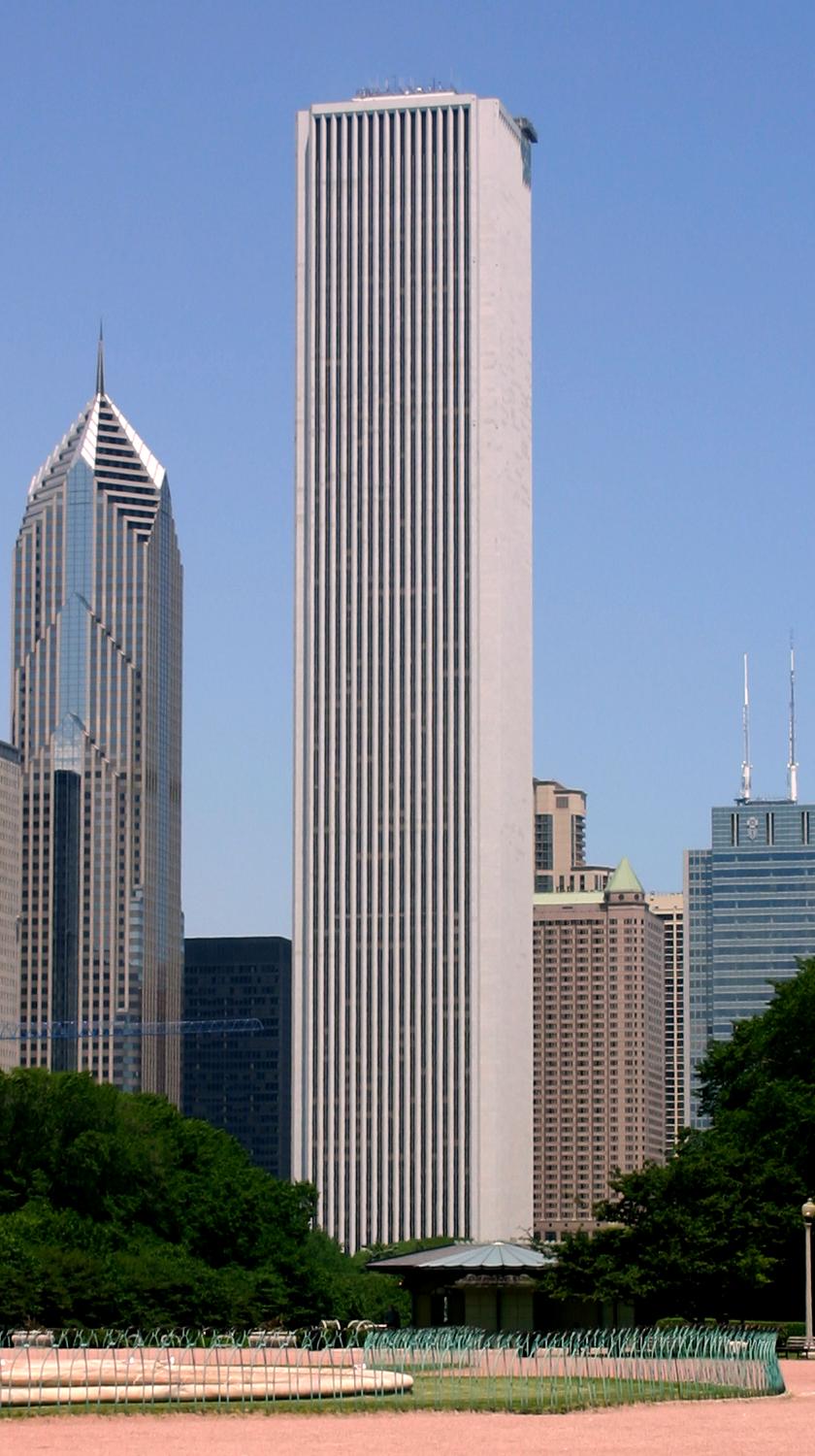


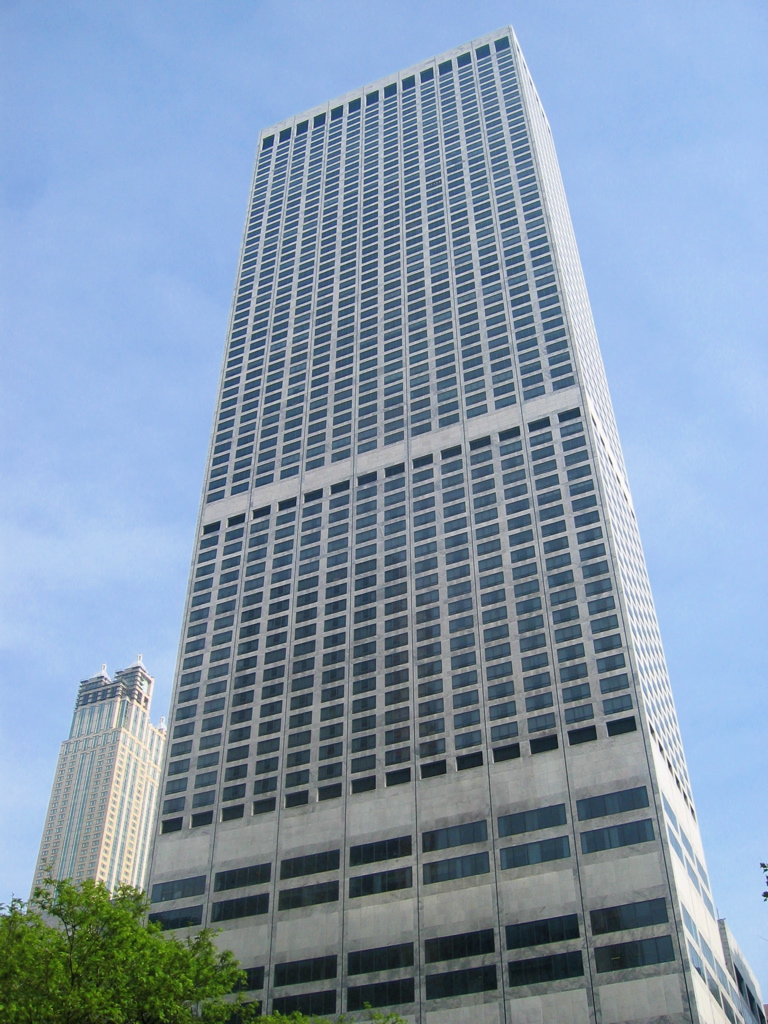
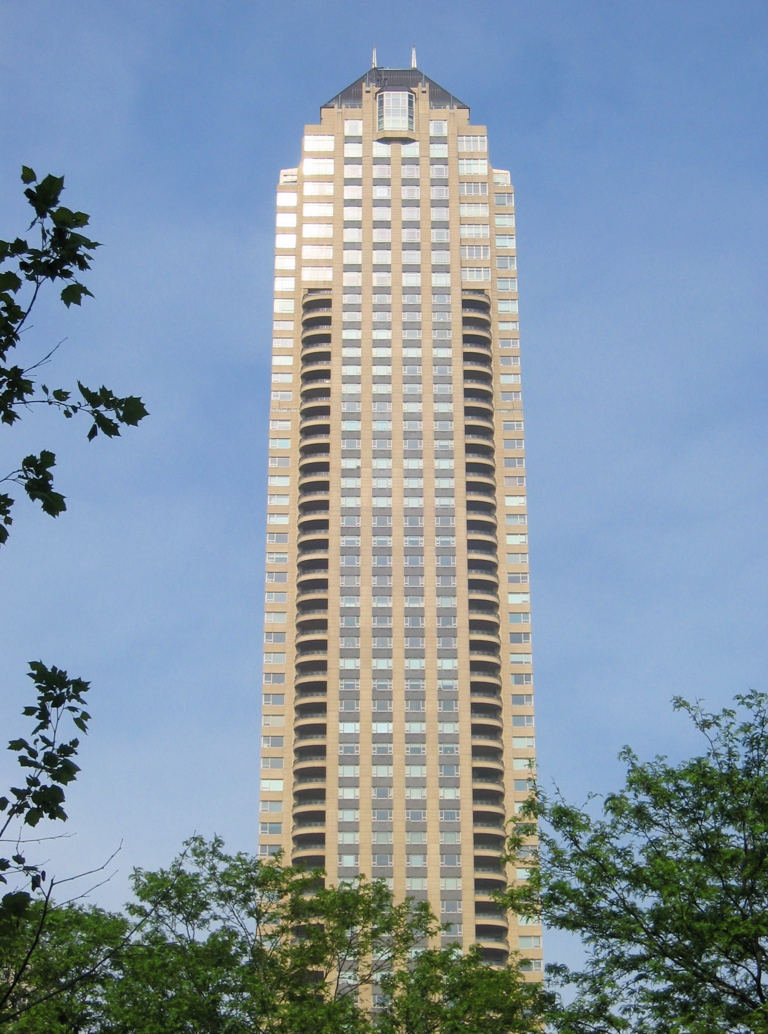
How height is measured
Different conventions produce different rankings. Common measures include architectural height, which counts permanent architectural features such as spires; roof height, which measures the main roofline; and pinnacle or total height, which includes antennas, masts and other technical equipment. Many published tables use architectural height for consistency, but readers should check which standard a particular list follows.
Notable tall buildings
- Willis Tower (formerly Sears Tower) — Chicago's signature supertall for much of the late 20th century and a milestone of structural engineering and high-rise office design.
- St. Regis Chicago (Vista Tower) — a recent mixed-use addition that changed the city's silhouette with a contemporary stacked form.
- Trump International Hotel and Tower — a prominent reflective-glass mixed-use tower near the Chicago River.
- Aon Center — a minimalist, monolithic office tower that exemplifies mid-century corporate modernism.
- 875 North Michigan Avenue (John Hancock Center) — noted for its distinctive tapered profile and long-standing public observation and dining facilities.
History and development
Chicago played a foundational role in skyscraper history: innovations such as steel-frame construction, high-speed elevators and fireproofing helped produce ever-taller buildings beginning in the late 19th century. The city's skyline reflects successive waves of building: early commercial towers, midcentury corporate slabs, and late 20th–21st century mixed-use and residential supertalls. Major economic cycles and changes in zoning and technology continue to shape what gets built.
Uses and cultural importance
Tall buildings in Chicago contain offices, apartments, hotels, restaurants and observation decks; they also house communications equipment and public attractions. Beyond their functional roles, these towers serve as symbols of civic identity, economic reach and architectural ambition. Many are tourist destinations and landmarks in civic memory.
Ranking issues and interpretation
- Always note the measurement standard (architectural, roof, pinnacle) used by a list.
- Decide whether a list includes only completed buildings or also topped-out, under construction, proposed or demolished structures.
- Spires and decorative features may be counted as architectural height while antennas usually are not, which can alter order.
- Renovations, additions and removal of technical equipment can change a building's reported height over time.
Because tall building data evolve with new construction and technical revisions, consult multiple authoritative sources and check the list's criteria when comparing rankings. Well-documented lists make their measurement standard and inclusion rules explicit so comparisons remain meaningful.
Related articles
Author
AlegsaOnline.com Tallest buildings in Chicago Leandro Alegsa
URL: https://en.alegsaonline.com/art/125167