
Louis Jordan
James Louis Jordan (1908–1975) was an American musician and bandleader whose jump blues and rhythm-and-blues innovations in the 1940s shaped popular music and influenced later rock and roll.
Louis Jordan (July 8, 1908 – February 4, 1975) was an American alto saxophonist, singer, songwriter and bandleader who rose to prominence in the 1940s. He blended elements of jazz, swing, and blues into an energetic, small-combo style often called "jump blues." Jordan led the Tympany Five and became one of the most popular performers in the African American record market, while also reaching wide mainstream audiences with several crossover hits.
Image gallery
3 Images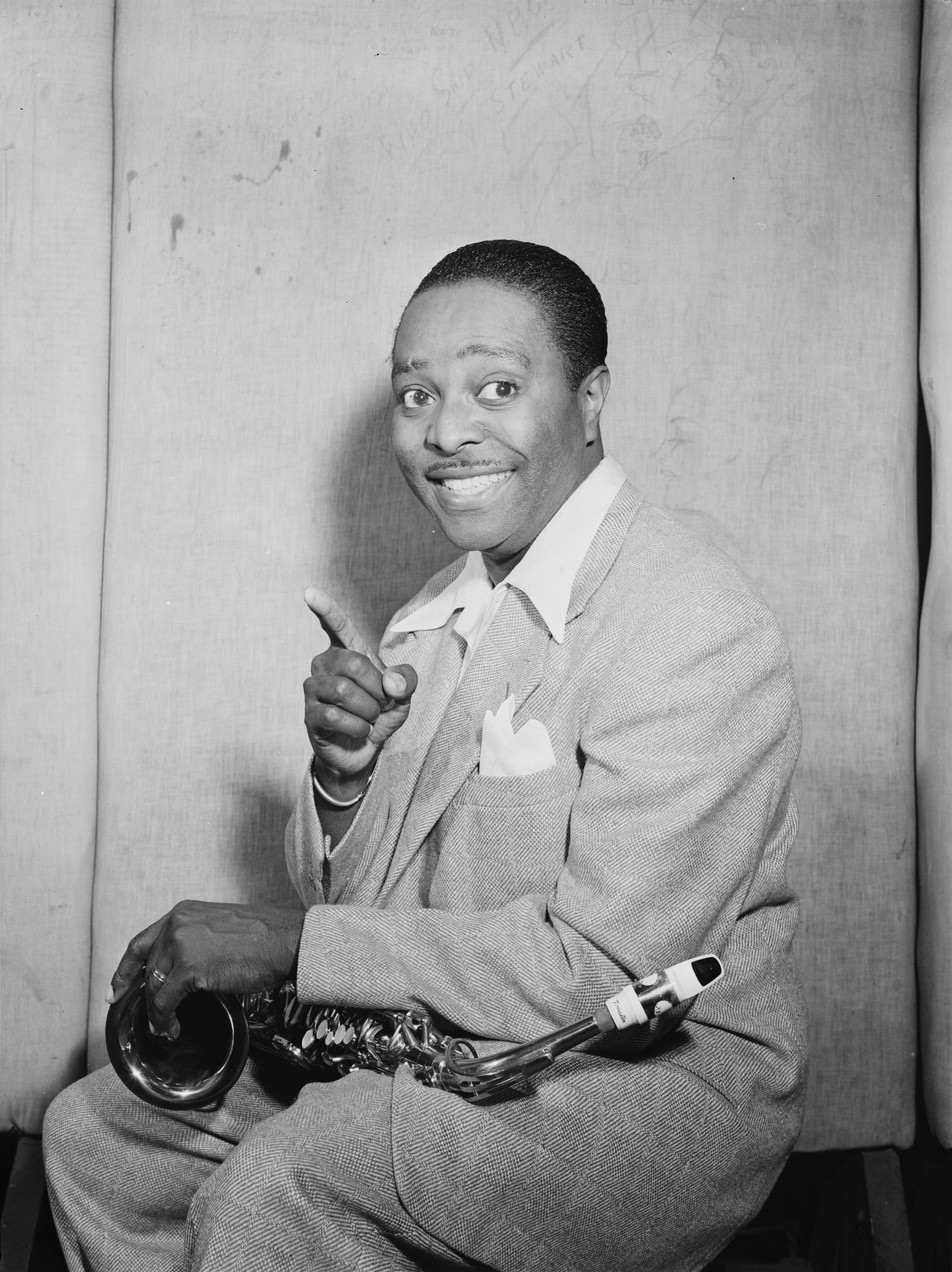


Musical style and characteristics
Jordan's music emphasized short, tightly arranged songs, punchy horn riffs, and a conversational vocal delivery that combined humor and storytelling. His use of the alto saxophone as a leading voice, simple but infectious rhythms, and clear melodic hooks made his records ideal for jukebox play and radio. The arrangements favored smaller ensembles rather than big bands, which gave them immediacy and commercial appeal.
Career and notable recordings
Jordan's recording career produced a string of well-known songs that remain associated with his name. He recorded comic and narrative numbers as well as dance tunes that resonated across racial lines during a segregated era. Representative titles include:
- "Caldonia"
- "Choo Choo Ch'Boogie"
- "Is You Is or Is You Ain't My Baby"
- "Saturday Night Fish Fry"
These songs showcased Jordan's knack for catchy chorus lines, rhythmic drive and vocal charisma. He frequently incorporated vernacular phrasing and topical humor, helping his records connect with diverse audiences.
Life and development
Born in Brinkley, Arkansas, Jordan worked as a performer and arranger before forming his own groups. He became a dominant figure on R&B charts in the 1940s and appeared in short films and variety shows. Later in life he lived in Los Angeles; he died in that city on February 4, 1975. Contemporary references to his life sometimes cite places like Los Angeles and California in accounts of his later career.
Influence and legacy
Music historians credit Jordan with helping to shape the sound of postwar rhythm and blues and, indirectly, early rock and roll. His combination of jumpy horn lines, danceable grooves and witty vocals influenced younger musicians who adapted those elements into new electric-band formats. Jordan was often promoted in his day as a highly successful jukebox and record artist, and he remains acknowledged as a key transitional figure between the swing era and modern popular music.
Notable facts: Jordan led the Tympany Five, popularized small-group R&B, and is commonly remembered for his showmanship and broad appeal during the 1940s.
Questions and answers
Q: Who was Louis Jordan?
A: Louis Jordan was an American musician, songwriter, and bandleader who played jazz, blues, and rhythm & blues.
Q: When and where was Louis Jordan born?
A: Louis Jordan was born on July 8, 1908, in Brinkley, Arkansas.
Q: When did Louis Jordan pass away and where?
A: Louis Jordan passed away on February 4, 1975, in Los Angeles, California.
Q: In which music market was Louis Jordan most successful?
A: Louis Jordan was most successful in the black music market in the 1940s.
Q: Did Louis Jordan only have success with black audiences?
A: No, Louis Jordan also reached white audiences and recorded several cross-over hits in the pop charts.
Q: What types of music did Louis Jordan play?
A: Louis Jordan played jazz, blues, and rhythm & blues.
Q: Besides being a musician, what other roles did Louis Jordan have in the music industry?
A: Louis Jordan was also a songwriter and a bandleader.
Related articles
Author
AlegsaOnline.com Louis Jordan Leandro Alegsa
URL: https://en.alegsaonline.com/art/125386