
Louis Le Prince: Pioneer of Early Motion Pictures
Louis Le Prince (1841–1890) was a French artist and inventor credited with creating some of the earliest single‑lens moving pictures. He disappeared in 1890 before a planned public demonstration.
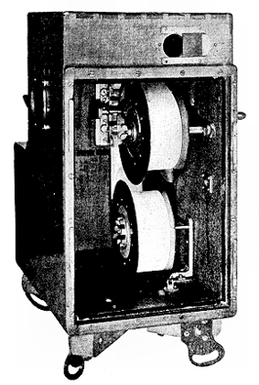
Louis Aimé Augustin Le Prince (28 August 1841 – vanished 16 September 1890) was a French artist, photographer and inventor who experimented with capturing sequences of images that produced the illusion of motion. Using a single‑lens camera and a strip of paper photographic film, he recorded short animated scenes in the late 1880s that are often cited among the earliest surviving moving pictures.
Image gallery
10 Images




Scope of his work
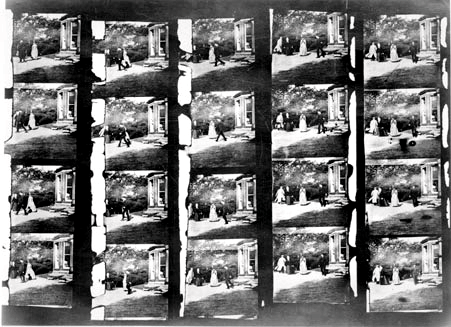
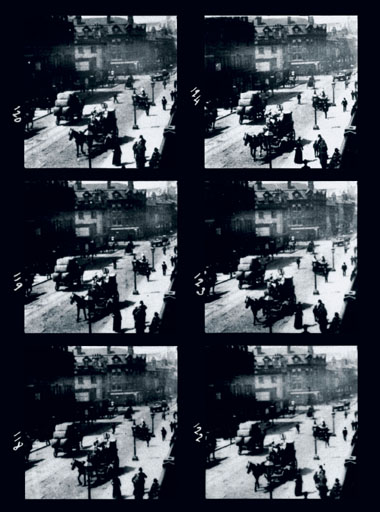
Le Prince combined a background in art and photography with mechanical ingenuity to devise cameras capable of rapid sequential exposures. His surviving fragments — short, silent clips that last only a few seconds — demonstrate the basic technical idea of using successive still frames to represent continuous motion. Because his experiments used a single lens and continuous film, supporters argue his methods anticipated later commercial cinematograph technology.
Notable sequences and technical approach
- Roundhay Garden Scene (late 1888): a very brief outdoor clip showing several people walking in a garden. It is frequently cited as one of the oldest extant moving pictures.
- Other short sequences from the same period show street and bridge scenes in Leeds, where Le Prince lived and worked for a time.
Le Prince used paper-based film and mechanical shutters to expose successive frames. The materials and frame rates differ from later commercial film systems, and surviving prints are fragmentary, which complicates direct technical comparison with later inventions.
Disappearance and aftermath
In September 1890 Le Prince boarded a train bound for the United States to arrange a public demonstration of his motion picture apparatus. He never reached his destination and vanished under unexplained circumstances; his luggage and body were never conclusively recovered. Decades later, a police archive was reported to contain a photograph of a drowned man who resembled him, but that finding has not settled the mystery.
Legacy and legal disputes
After his disappearance Le Prince’s family sought recognition for his early work. His son Adolphe pursued legal action to have Le Prince acknowledged as the inventor of motion pictures, a contest that involved prominent figures of the era such as Thomas Edison (see related matter). Edison and others are widely credited in popular and scholarly accounts with developing commercially successful motion picture systems, and courts and historians have debated claims of priority. Edison’s interests ultimately prevailed in the principal legal contests of that time; shortly afterward, Adolphe Le Prince died in a hunting accident.
Today Louis Le Prince is remembered as an important early experimenter whose surviving images provide valuable evidence of the technological work that led to cinema. While debate continues about who should be credited with inventing motion pictures, Le Prince’s short films remain an important part of the historical record and a reminder of the many innovators whose contributions shaped early moving‑image technology.
Related articles
Author
AlegsaOnline.com Louis Le Prince: Pioneer of Early Motion Pictures Leandro Alegsa
URL: https://en.alegsaonline.com/art/125390