
Louis Jourdan
French film and television actor (1921–2015) best known for suave, debonair roles in Hollywood and European cinema. Notable films include The Paradine Case, Gigi, The Best of Everything and Octopussy.
Overview
Louis Jourdan (born Louis Robert Gendre; June 19, 1921 – February 14, 2015) was a French actor whose career spanned stage, film and television in Europe and the United States. He became identified with polished, urbane parts and enjoyed steady work from the 1940s through the late 20th century.
Image gallery
4 Images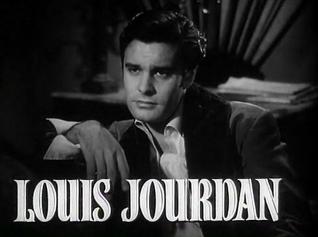


Career highlights
Jourdan trained in dramatic arts and began acting in France before establishing a presence in Hollywood after World War II. He is remembered for a series of prominent screen performances that showcased his smooth manner and refined screen persona. Highlights include:
- The Paradine Case (1947) — an early American film appearance that placed him alongside established stars.
- Gigi (1958) — a major musical film in which he played a central romantic role in a production that achieved wide acclaim.
- Octopussy (1983) — a high-profile appearance in a long-running spy franchise, cast as a sophisticated antagonist.
- The Best of Everything (1959) and later work such as the comedy The Year of the Comet (1992), his final feature film.
Characteristics and screen image
Jourdan was often cast as the elegant foreign suitor or cultured gentleman, roles that took advantage of his accent, bearing and classic good looks. He worked in a variety of genres including drama, romance, comedy and thrillers, and moved between supporting and leading parts. His voice, diction and calm on-screen presence contributed to his typecasting as a refined continental lead.
Personal life and later years
Born in Marseille, France, Jourdan studied at a dramatic school before beginning his professional career. He married Berthe Frédérique in 1946; the couple remained together until her death in 2014. They had a son, Louis Jourdan, Jr., who died in 1981 at age 29. In later decades Jourdan lived between Europe and the United States and continued to accept film and television roles into the 1990s. He died in Beverly Hills on February 14, 2015.
Legacy
Jourdan's body of work illustrates a steady international career that bridged French cinema and Hollywood. He is often recalled for a handful of memorable films that brought a distinctly French romanticism to popular American productions. For readers seeking film credits and further detail, studioographies and film databases provide comprehensive listings and context for his roles.
Related articles
Author
AlegsaOnline.com Louis Jourdan Leandro Alegsa
URL: https://en.alegsaonline.com/art/125387