
Louis Malle: French Filmmaker and International Director
Overview of Louis Malle (1932–1995), his career as a director, screenwriter and producer, major films, themes, awards, and legacy in French and international cinema.
Louis Malle (30 October 1932 – 23 November 1995) was a French film director, screenwriter and producer whose work ranged from documentary collaboration to intimate dramas and English‑language features. He is remembered for his formal versatility, for tackling difficult moral subjects, and for moving between French and American film industries during a career that spanned four decades. Malle performed many roles in cinema; he worked as a director, screenwriter and producer on projects of very different scale and tone.
Image gallery
2 Images
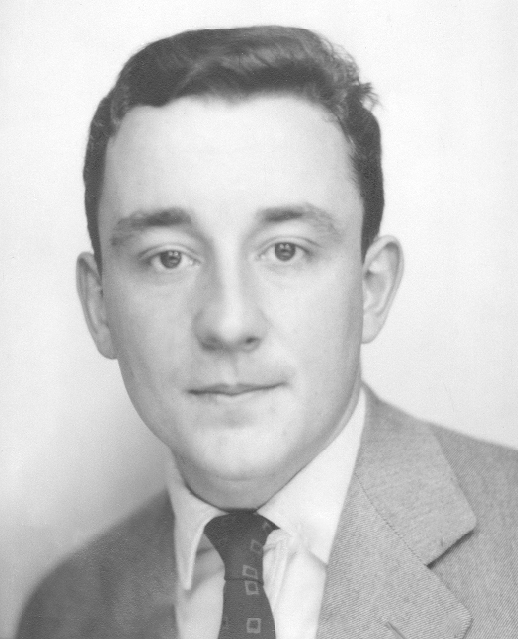
Early career and breakthrough
Malle first attracted international attention in the 1950s. He co‑directed a widely seen underwater documentary that brought him early honors: Le Monde du silence (The Silent World), made with ocean explorer Jacques‑Yves Cousteau, which shared the Palme d'Or at Cannes and received recognition from the film academy in 1956. The success of that work opened opportunities that allowed Malle to experiment with genre and form, moving quickly from documentary techniques to tightly constructed fiction films.
Major films and themes
Over the next decades Malle made a number of films that are now seen as central to his reputation. He achieved critical notice with the stylish crime melodrama Ascenseur pour l'échafaud (1958), notable for its nocturnal atmosphere and the striking jazz score recorded by Miles Davis. Later works ranged from the controversial wartime drama Lacombe, Lucien (1974), which examined French collaboration during World War II, to emotionally restrained portraits such as Au revoir, les enfants (1987), a film closely linked to Malle's own childhood experiences.
- Ascenseur pour l'échafaud (1958)
- Le Monde du silence (1956)
- Lacombe, Lucien (1974)
- Atlantic City (1980)
- My Dinner with Andre (1981)
- Au revoir, les enfants (1987)
Style, collaborations and legacy
Malle's films are often noted for their moral subtlety, refusal to offer easy judgments, and a visual clarity that supported actors' performances. He worked with a wide range of collaborators, from jazz musicians to stage actors, and he made films in both French and English, earning international recognition and multiple award nominations over the years. Critics and filmmakers have cited his willingness to address taboo or painful subjects as a key part of his influence on later European and American directors.
Malle's filmography includes art‑house touchstones as well as commercially accessible works, and his career is studied for its cross‑cultural reach and its reflections on memory, adolescence and ethical ambiguity. For further reading on his life and films see contemporary retrospectives and film studies resources (Palme d'Or context, documentary awards).
Final years
Louis Malle spent his later years dividing time between France and the United States. He continued to make both English‑ and French‑language films until the early 1990s. Malle died of lymphoma at his home in Beverly Hills on 23 November 1995. Obituaries and memorial pieces from that period reflect on his international career and lasting impact on postwar cinema (illness, Beverly Hills).
Related articles
Author
AlegsaOnline.com Louis Malle: French Filmmaker and International Director Leandro Alegsa
URL: https://en.alegsaonline.com/art/125391