
Louis Leakey: Pioneer of East African Paleoanthropology
Louis Leakey (1903–1972) was a British-Kenyan archaeologist, anthropologist and naturalist whose fieldwork and institutions advanced the study of human origins in East Africa and promoted primate research and conservation.
Louis Seymour Bazett Leakey was a prominent archaeologist, anthropologist and naturalist whose career helped establish East Africa as a central region for the study of human origins. Born in what was then British East Africa, Leakey combined field skill, administrative drive and public engagement to bring fossils, field programs and conservation concerns to a wide audience. Trained in natural history and archaeological techniques, he emphasized careful excavation, comparative anatomy and the search for contexts that connected stone tools to hominin remains.
Image gallery
10 Images

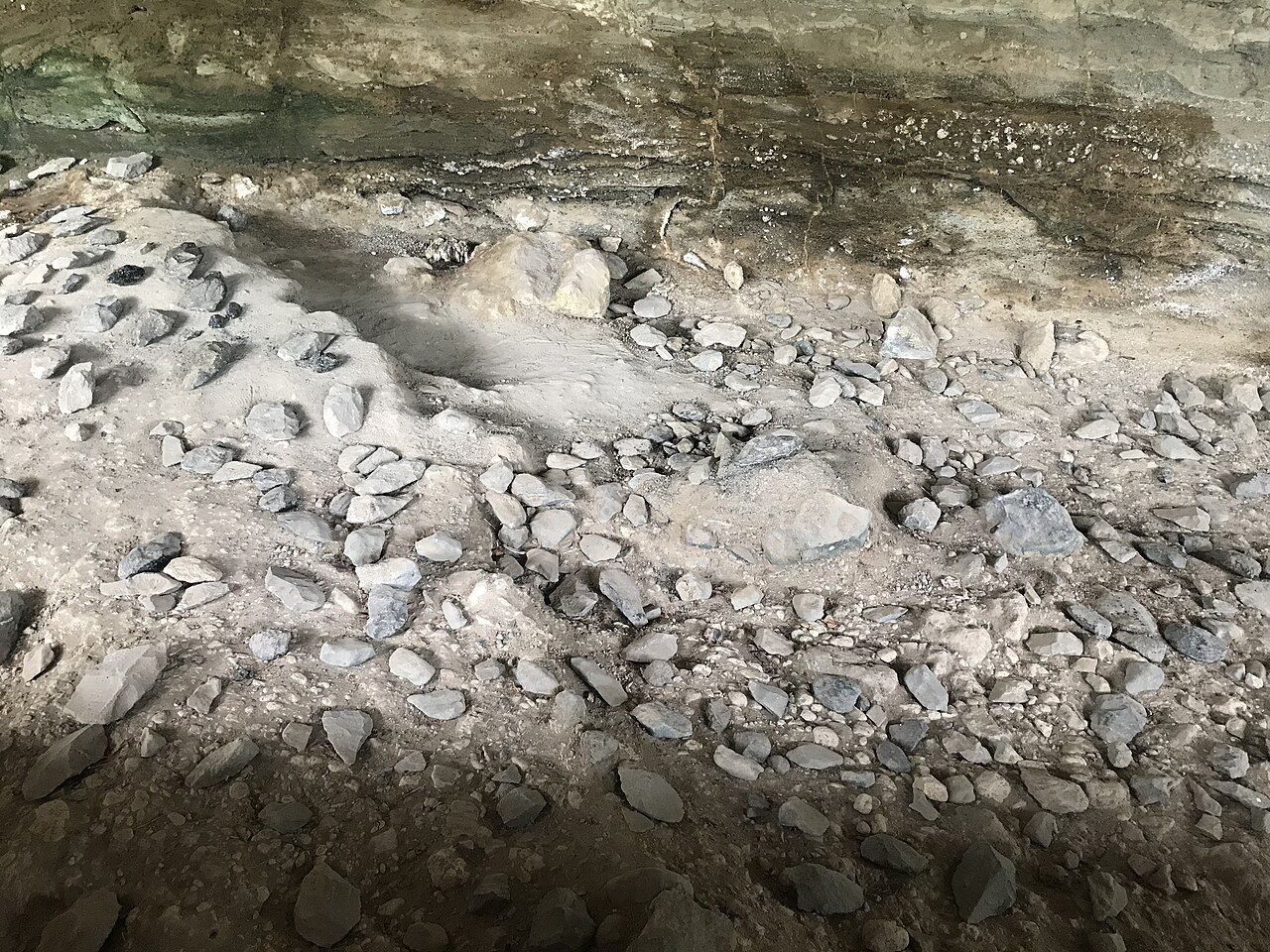


Career and field research
Leakey’s excavations and surveys concentrated on sites that preserved long sequences of geological and biological change. His work at Olduvai Gorge and other localities in East Africa provided strong support for an African origin of humans and stimulated worldwide interest in prehistoric hominins. He pursued the question of human evolution with a conviction that combined paleontological evidence and careful stratigraphic documentation could test competing ideas about ancestry. As a field director and public figure he organized teams, trained local workers, and sought institutional backing for ongoing research.
Methods, influences and relationships
Leakey worked at the intersection of archaeology, comparative anatomy and natural history. He helped create enduring professional pathways for the discipline of palaeoanthropology in Africa, and he often argued publicly for the scientific acceptance of evolutionary explanations drawn from fossil and comparative data in biology. He admired Charles Darwin and accepted the central importance of evolution to understanding human origins, while personally maintaining a Christian faith and trying to reconcile religious belief with scientific evidence; his stance reflected a broader conversation about science and religion in the mid‑20th century.
Key contributions and institutions
- Directed systematic excavations that linked tools and fossils in stratified deposits.
- Raised the profile of African fossil sites and argued for their central place in human prehistory.
- Promoted long‑term field studies of living primates, sponsoring researchers who would become world-famous.
- Supported the development of local museums, training programs and research structures that outlasted his own career.
Mentoring, family and legacy
Leakey encouraged and helped place several young researchers into long-term primate studies; most famously he supported the field careers of Jane Goodall, Dian Fossey and Biruté Galdikas, all of whom produced landmark studies of chimpanzees, gorillas and orangutans respectively. His immediate family also continued the scientific work: his wife and later generations of the Leakey family carried on excavations and conservation projects, ensuring that the "family firm" of paleoanthropological inquiry remained influential for decades. He worked in a context with other notable figures of British origin in African paleoanthropology such as Robert Broom and Raymond Dart, and helped transform a regional enterprise into an international scientific effort.
Notable facts and distinctions
Leakey’s career blended scholarship, national service and public advocacy. He took part in political and cultural life in Kenya at times of significant change and used his visibility to press for both scientific research and projects aimed at conserving wildlife. His positions sometimes stirred controversy within academic circles, particularly when he made strong public claims about fossil interpretations or when he promoted particular hypotheses about human ancestry. He is remembered for persistent fieldwork, institution building and for championing the idea that Africa is central to understanding human origins.
Although he stood in a tradition of scientists of British origin working in Africa, Leakey’s long-term impact rests on his combination of excavation skill, administrative energy and attention to public communication. He is often described as a decisive figure in 20th‑century paleoanthropology whose influence extended beyond fossils into conservation and the study of living primates. His life illustrates how scientific discovery, mentorship and institution building can reshape a field and leave a continuing legacy in both research and stewardship. He remained, throughout his life, a person of faith who engaged fully with scientific debates about evolution and human beginnings, reconciling belief and evidence in his own public statements about nature and history and identifying as a Christian.
For an overview of his role in the development of scientific institutions and field programs, see studies of mid‑20th‑century African paleoanthropology and biographies that place Leakey in the wider story of human origins and conservation. His work continues to shape how researchers think about early hominins and the practical challenges of doing long‑term field science in Africa.
Further reading and online resources: Kenya and British East Africa context, archaeological methods, human evolutionary studies, East African sites, British scientific tradition, Robert Broom, Raymond Dart, palaeoanthropology, biological context, Charles Darwin, evolution, hypothesis testing, religious perspective.
Questions and answers
Q: Who was Louis Leakey?
A: Louis Leakey was a Kenyan archaeologist, anthropologist, and naturalist who made significant contributions to the understanding of human evolutionary development in East Africa.
Q: What role did Louis Leakey play in African research organizations?
A: Louis Leakey played a major role in creating organizations for future research in Africa and for protecting wildlife there.
Q: Who were the three great anthropologists of British origin who made Africa their home?
A: The three great anthropologists of British origin who made Africa their home were Louis Leakey, Robert Broom, and Raymond Dart.
Q: What tradition did Louis Leakey start in Kenya?
A: Louis Leakey started a tradition of palaeoanthropological inquiry in Kenya.
Q: Did Louis Leakey's family also become involved in anthropology and fossil hunting?
A: Yes, several members of Louis Leakey's family became well-known anthropologists and fossil hunters.
Q: Did Louis Leakey believe in Charles Darwin's theory of evolution?
A: Yes, Louis Leakey asserted Charles Darwin's theory of evolution unswervingly and set about to prove Darwin's hypothesis that man arose in Africa.
Q: Was Louis Leakey also religious?
A: Yes, Louis Leakey was a devout Christian.
Related articles
Author
AlegsaOnline.com Louis Leakey: Pioneer of East African Paleoanthropology Leandro Alegsa
URL: https://en.alegsaonline.com/art/125389