
List of planets in the Solar System
Overview and classification of Solar System planets: the eight major planets and the commonly recognised dwarf planets, with notes on characteristics, history, and notable distinctions.
This article summarizes the two commonly recognised categories of bodies referred to as planets in our Solar System: the larger, classical planets and the smaller objects classified as dwarf planets. It outlines which bodies are included, the basis for their classification, and a few notable facts about their roles in planetary science.
Image gallery
8 Images


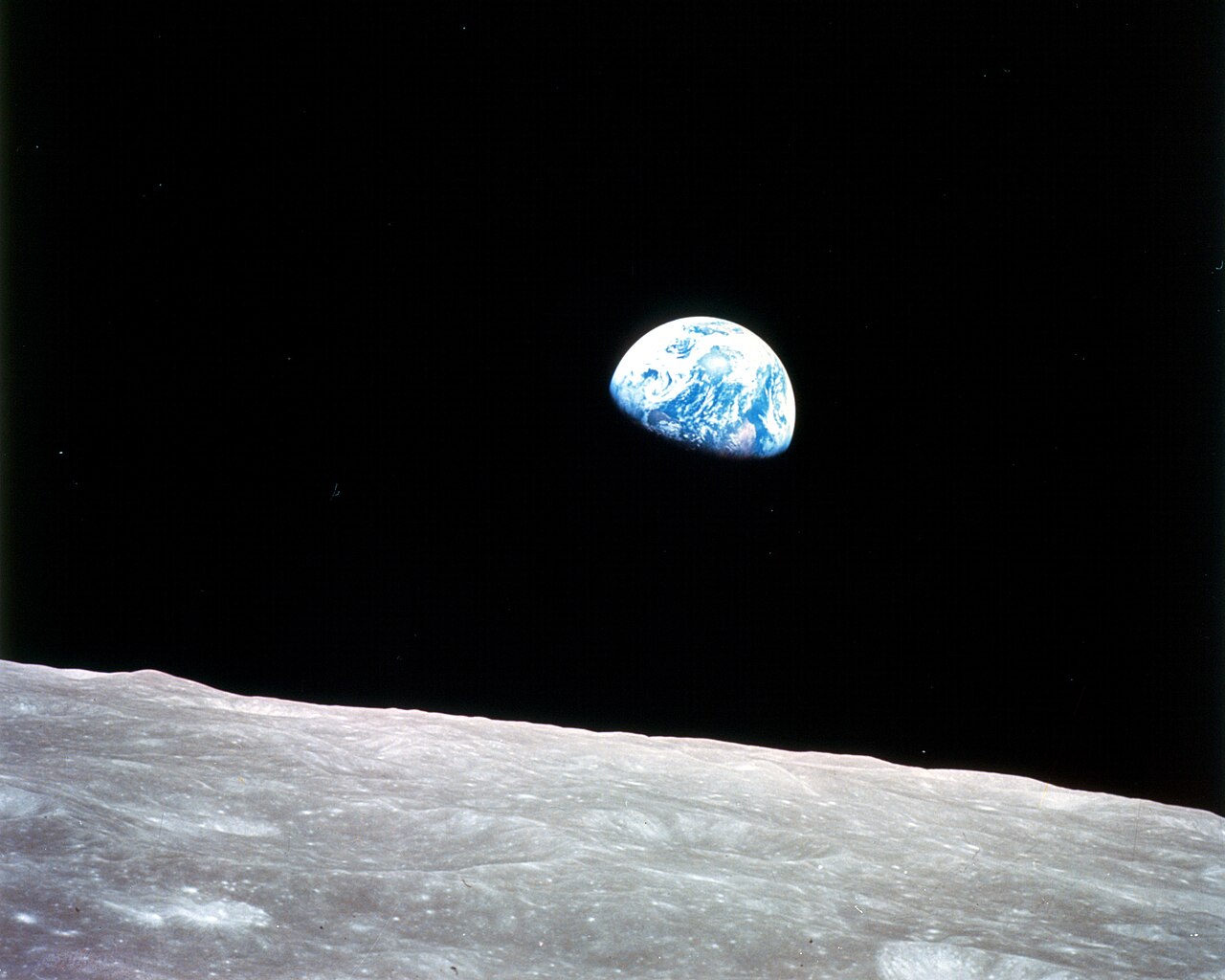


Overview
The term major planets usually denotes the eight bodies that orbit the Sun and dominate their orbital zones by mass. In contrast, dwarf planets are objects that are massive enough to be rounded by self‑gravity but have not cleared other debris from their orbital neighborhood. Both groups contribute to our understanding of the Solar System's formation and evolution.
Lists
- Major planets: Mercury, Venus, Earth, Mars, Jupiter, Saturn, Uranus, Neptune.
- Dwarf planets (commonly cited examples): Ceres, Pluto, Haumea, Makemake, Eris. Other small bodies may be added as observations and definitions evolve.
Characteristics and classification
Major planets differ from dwarf planets in several practical ways: typical size and mass, ability to clear their orbital zone, and often their composition and atmosphere. Inner planets (Mercury–Mars) are rocky and smaller, while the outer planets include gas giants and ice giants with substantial atmospheres and ring systems. Dwarf planets are found in various regions, including the asteroid belt and the distant Kuiper belt.
History and significance
Discovery and classification have changed as observations improved. The modern distinction between major and dwarf planets was formalised in the early 21st century, reflecting new finds at the Solar System's edge and improved knowledge of small bodies. Study of both groups guides models of planetary formation, migration, and the distribution of volatiles.
Notable distinctions
Important contrasts include inner versus outer planets, planets with extensive satellite systems and rings versus solitary rocky worlds, and the dynamic contexts of bodies in stable, cleared orbits compared with those in crowded belts. For further reading, consult resources on major planets and dwarf planets as general categories.
Related articles
Author
AlegsaOnline.com List of planets in the Solar System Leandro Alegsa
URL: https://en.alegsaonline.com/art/124910