
List of the Monarchs of Wessex (to 927)
Chronological overview of the rulers of the kingdom of Wessex from its traditional origins through the unification of England under Æthelstan in 927, with context, major figures, and historical notes.
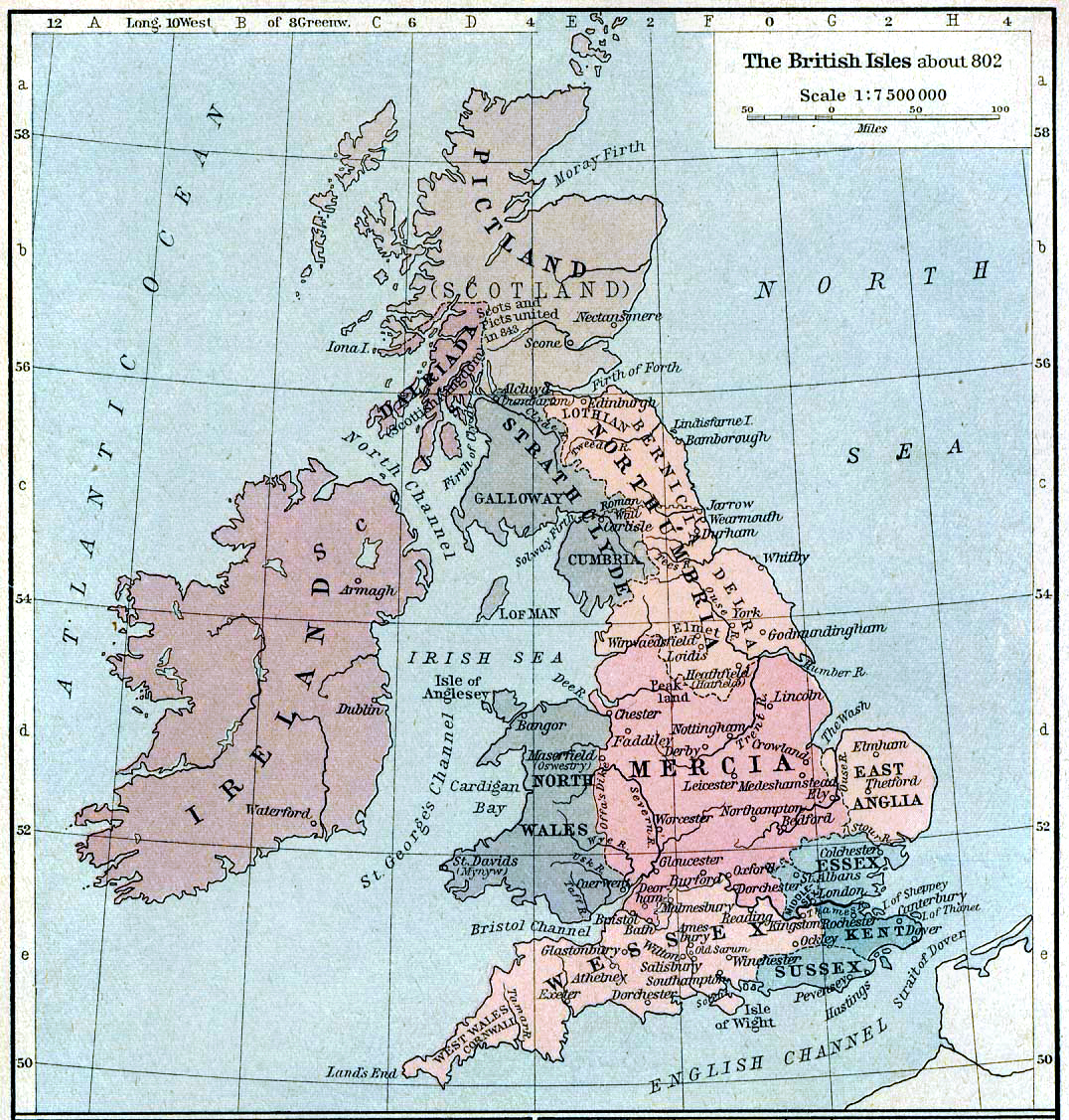
The kingdom of Wessex was one of the principal Anglo‑Saxon polities in early medieval Britain. It is usually counted among the seven realms of the English Heptarchy, a later term used for the dominant territorial kingdoms of the early Middle Ages. The seven included the northern and midland powers — Northumbria, Mercia — and the eastern and southern kingdoms of East Anglia, Essex, Kent, and Sussex. Over several centuries Wessex grew from a regional Anglo‑Saxon kingdom into the political core that helped produce a single English monarchy.
Image gallery
10 Images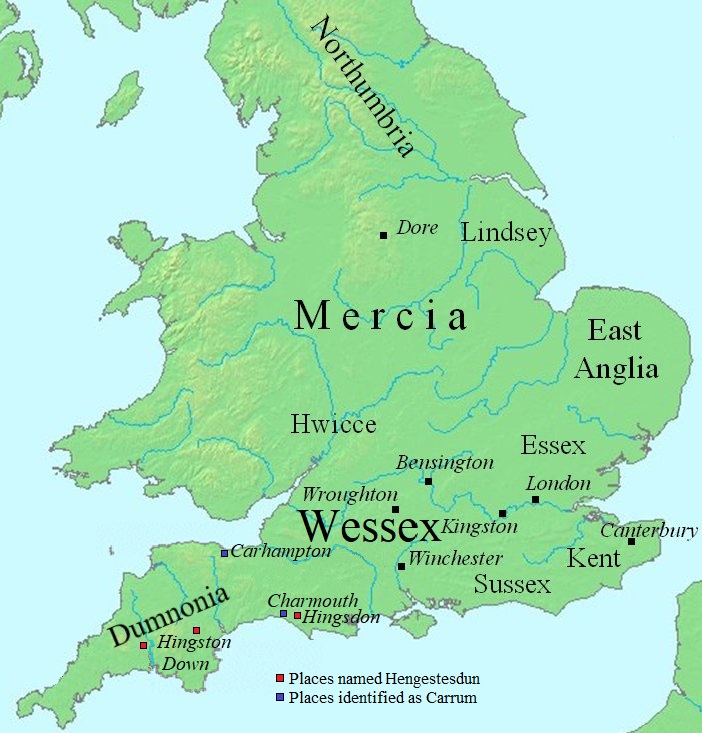



Overview and sources
Lists of the rulers of Wessex survive in chronicles, genealogies and later medieval compilations, but the earliest names are partly legendary. The traditional pedigree begins with Cerdic and his descendants; many early reigns lack contemporary documentary evidence. From the later eighth century onward documentary coverage improves, and by the ninth and tenth centuries the succession of rulers and their deeds are reasonably well attested in chronicles and charters. For later sovereigns and the continuous kingship after 927, see the List of English monarchs.
Historical development and Viking challenge
Wessex achieved lasting prominence in the ninth century as rival kingdoms contracted under external pressure. The arrival in 865 of the Great Heathen Army — a large Danish Viking force — led to sustained warfare across English territories. Many Anglo‑Saxon kingdoms were conquered or reduced; by the end of the ninth century Wessex remained the principal independent realm resisting Norse expansion. Under rulers such as Alfred the Great the kingdom reorganised its military and administrative structures, laying groundwork for a wider English polity. Alfred's successors extended control over former independent kingdoms; his grandson Æthelstan is widely regarded as the first king to rule a realm approximating a united England.
Principal monarchs (traditional succession to 927)
The following list highlights the key rulers in the West Saxon line. Early entries are given as traditional founders or important early kings; later entries are dated by better sources.
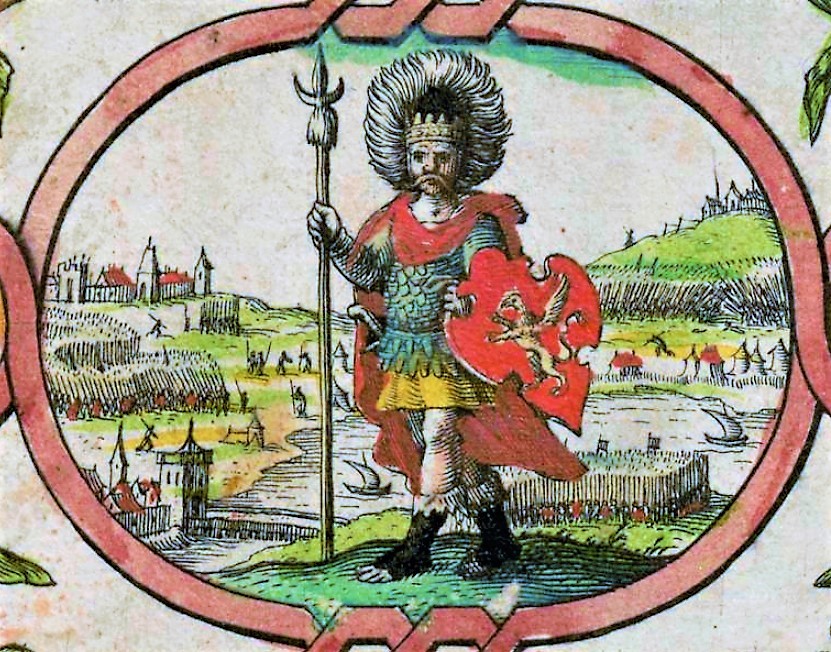
- Cerdic — traditionally regarded as the founder of the West Saxon dynasty (early 6th century in later pedigrees; details uncertain).
- Cynric and Ceawlin — early expansionist kings in the tradition of West Saxon origins.
- Cynegils and Cenwalh — 7th‑century rulers who feature in contemporary and near‑contemporary sources.
- Centwine and Caedwalla (Cædwalla) — late 7th‑century figures; Cædwalla later made a pilgrimage to Rome according to medieval accounts.
- Ine — a late 7th/early 8th‑century lawgiver whose code survives in part and who abdicated to travel to Rome.
- Smaller or contested reigns followed, with occasional Mercian dominance; the line continued into the higher medieval period.
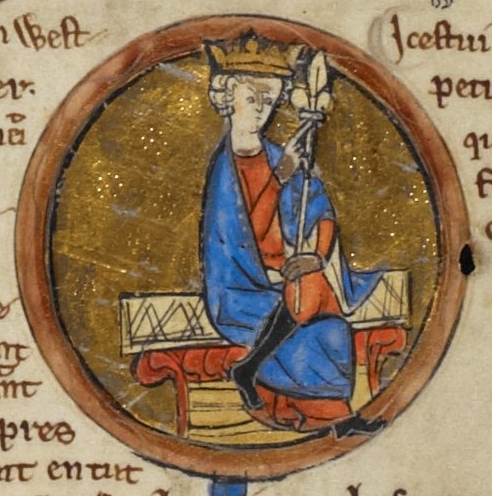
- Egbert (reigned 802–839) — widely credited with extending West Saxon authority and securing pre‑eminence among the southern kingdoms.
- Æthelwulf (reigned 839–858) and his sons — a generation that faced political rivalry but preserved dynastic continuity.
- Æthelbald, Æthelberht, and Æthelred I — successive mid‑ninth century rulers; Æthelred's reign overlapped the arrival of large Viking forces.
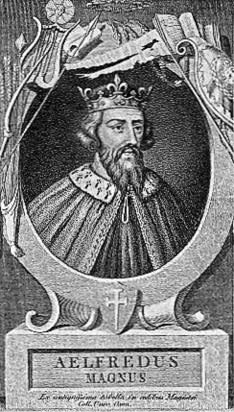
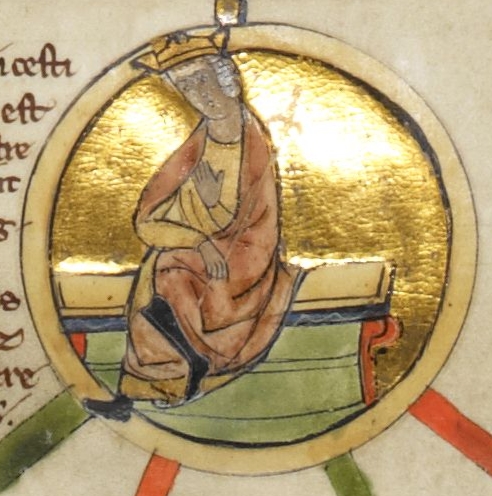
- Alfred the Great (reigned 871–899) — famous for military reforms, resistance to Viking incursions, and cultural revival.
- Edward the Elder (reigned 899–924) — Alfred's son, who consolidated and extended West Saxon control over other Anglo‑Saxon territories.
- Æthelstan (reigned 924–939) — Alfred's grandson; by 927 he had secured the submission of rival rulers and is often described as the first king of a united England.
Importance and distinction
Wessex is notable not only for individual rulers but for its role in producing the institutions and territorial base of the later English monarchy. Its survival and adaptability during the age of Viking pressure — contrasted with the partial destruction or subordination of some other kingdoms by Vikings — made it the vehicle for political consolidation. The story of Wessex illustrates how dynastic continuity, military reform and administrative innovation combined to transform regional kingship into a national crown.
Further reading and resources
- General introductions to the Anglo‑Saxon period and the Heptarchy: see surveys of Anglo‑Saxon England and the realm of England in the early medieval era.
- Accounts of the Viking invasions and the Great Heathen Army: contemporary chronicle material begins to give reliable narrative from the mid‑9th century onward; consult specialised works on Viking-age England.
- Chronologies and king lists: extended traditional lists include many early names of variable historical certainty; for the later, better-attested succession consult studies of 9th‑ and 10th‑century West Saxon government.
For maps, primary chronicle translations and detailed lists of reigns beyond 927, follow linked resources on early medieval England and the compiled lists of English monarchs maintained by specialist references.
Questions and answers
Q: What is Wessex?
A: Wessex was one of the seven kingdoms of the British Heptarchy during the early Middle Ages.
Q: What were the seven kingdoms of the British Heptarchy?
A: The seven kingdoms were Northumbria, Mercia, East Anglia, Essex, Kent, Sussex, and Wessex.
Q: When did the Great Heathen Army arrive in East Anglia?
A: The Great Heathen Army arrived in East Anglia in 865.
Q: Who defeated the Anglo-Saxon kingdoms?
A: The Danes, also known as Vikings, defeated the Anglo-Saxon kingdoms.
Q: Which was the only kingdom not destroyed by the Vikings?
A: Wessex was the only remaining kingdom not destroyed by the Vikings.
Q: Who made Wessex the core of a unified England?
A: Alfred the Great made Wessex the core of a unified England.
Q: Who was the first King of England?
A: Athelstan, Alfred the Great's grandson, was the first King of England.
Related articles
Author
AlegsaOnline.com List of the Monarchs of Wessex (to 927) Leandro Alegsa
URL: https://en.alegsaonline.com/art/124835