
Boarding school: definition, types, history, daily life and cultural role
An overview of boarding schools: how they operate, common structures and types, historic development, notable institutions and portrayals in literature, plus contemporary considerations and distinctions.
Overview
A boarding school is an educational institution where pupils live on campus for at least part of the academic term rather than returning home each day. In the simplest sense a boarding school can be described as a school where students live and sleep. Many boarding schools also admit day students who attend classes but commute daily. The term "boarder" refers to a pupil who resides at the school. In some countries boarding is largely associated with fee-paying or private school systems, and in the United Kingdom roughly 1% of children attend boarding schools while about 13% of private pupils are boarders.
Image gallery
10 Images


Structure and daily life
Daily routines at boarding schools typically combine academic timetables with supervised study periods, extracurricular activities and communal living in dormitories or house systems. Residential life is managed by housemasters, matrons or residential advisers who provide pastoral care, discipline and welfare support. Meals, lights-out times, weekend activities and study halls are commonly organized to balance learning with social development. In some regions—such as parts of Ghana—boarding is widespread at the level of secondary school, reflecting local schooling structures and travel constraints.
Types and specializations
- Traditional independent boarding schools: long-established institutions often emphasizing academic rigor, sports and residential house traditions.
- State or public boarding schools: government-funded schools that offer boarding for students who live far from campus or require special provision.
- International and boarding colleges: schools that recruit a multinational student body and prepare pupils for global qualifications.
- Therapeutic and special-needs boarding: schools combining education with clinical or specialist support for behavioural, emotional or learning needs.
- Military and vocational academies: institutions that impose regimented routines and may prepare students for service careers.
- Democratic or alternative models: schools where students have a large voice in governance and daily rules, exemplified by Summerhill School.
History and notable institutions
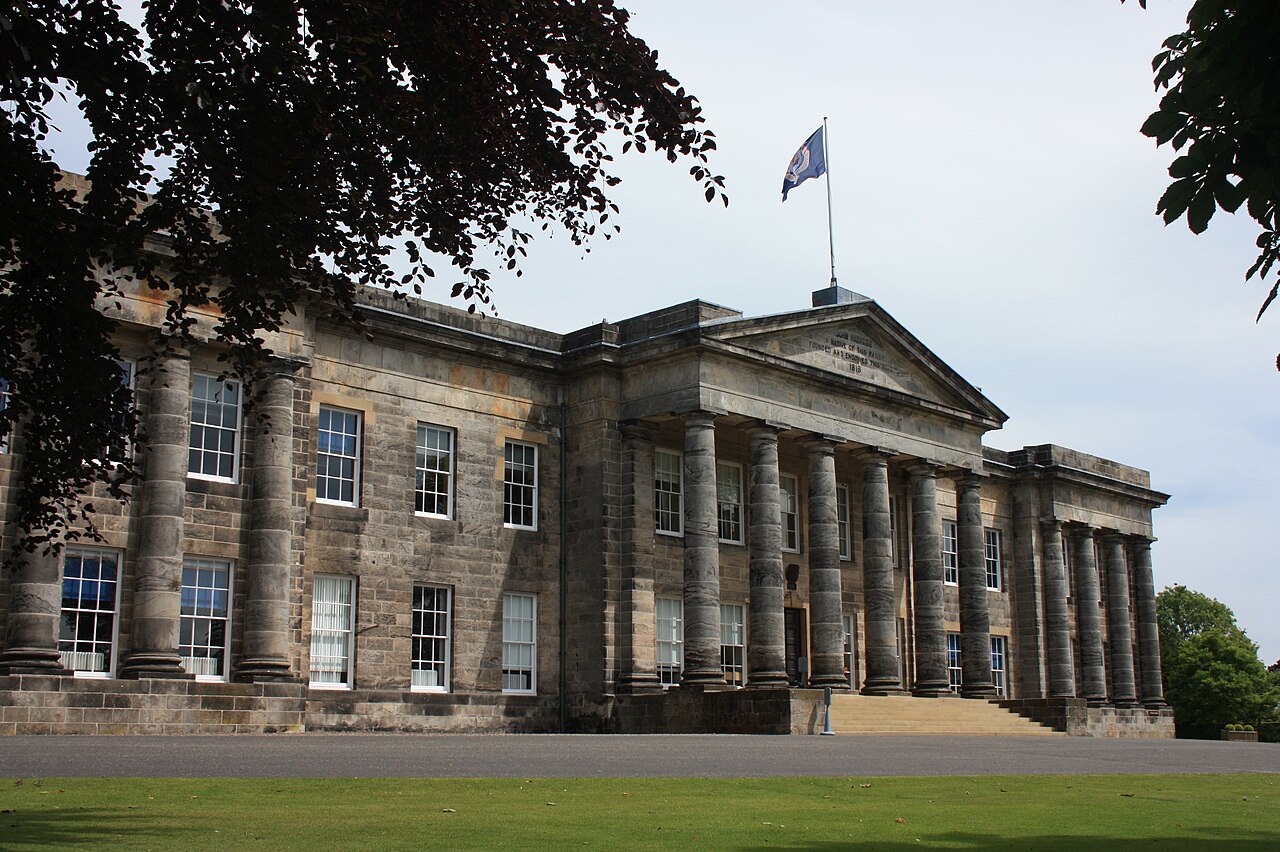
The boarding school model has a long history in parts of Europe and elsewhere, shaped by religious foundations, classical education and social elites. Well-known historic examples in the United Kingdom include Eton College, Rugby and Harrow School. Outside Britain, famous boarding institutions include Phillips Exeter Academy in the United States and schools such as Cornway College in Zimbabwe. Scotland’s Gordonstoun is another example of a co-educational school that combines day and boarding provision and is associated with an emphasis on outdoor education and character-building; it is often discussed alongside other historic models in Scotland.
Cultural representation and literature
Boarding schools feature prominently in fiction and film, shaping public perceptions of dormitory life, tradition and adolescence. Popular examples include the magical boarding setting of Harry Potter by J.K. Rowling, the resilient heroine in A Little Princess by Frances Hodgson Burnett, and youth-focused novels such as The Catcher in the Rye by J.D. Salinger. Earlier and children's series settings also include the school stories of Enid Blyton and the critical social scenes in works by Charles Dickens.
Contemporary considerations
Today, boarding schools are subject to modern regulatory standards, safeguarding expectations and debates about accessibility, cost and educational outcomes. Advocates highlight strong community bonds, extended learning time and opportunities for independence; critics raise concerns about social exclusivity and the emotional impact of residential separation. Many institutions have adapted by offering scholarships, flexible boarding arrangements and enhanced pastoral care to meet diverse family needs while preserving the academic and social functions of residential education.
Further reading and links
For summaries, admissions guidance and historical overviews consult school websites and authoritative education resources. Representative institutional pages and resources are cited in-line above for readers wishing to follow up on particular schools or literary works.
Tags
Related articles
Author
AlegsaOnline.com Boarding school: definition, types, history, daily life and cultural role Leandro Alegsa
URL: https://en.alegsaonline.com/art/12455
Sources
- telegraph.co.uk : "Boarding school: don't be seduced by flashy rooms"