
Guide to U.S. Colleges and Universities: Types, Accreditation, and Listing Methods
Guide to U.S. colleges and universities: learn institutional types, accreditation and state authorization, and practical methods for finding and comparing schools by region, sector, mission, and metrics.
This page gathers and describes collections of colleges and universities located in the United States. It explains common ways these institutions are grouped and what readers should consider when consulting such lists.
Image gallery
4 Images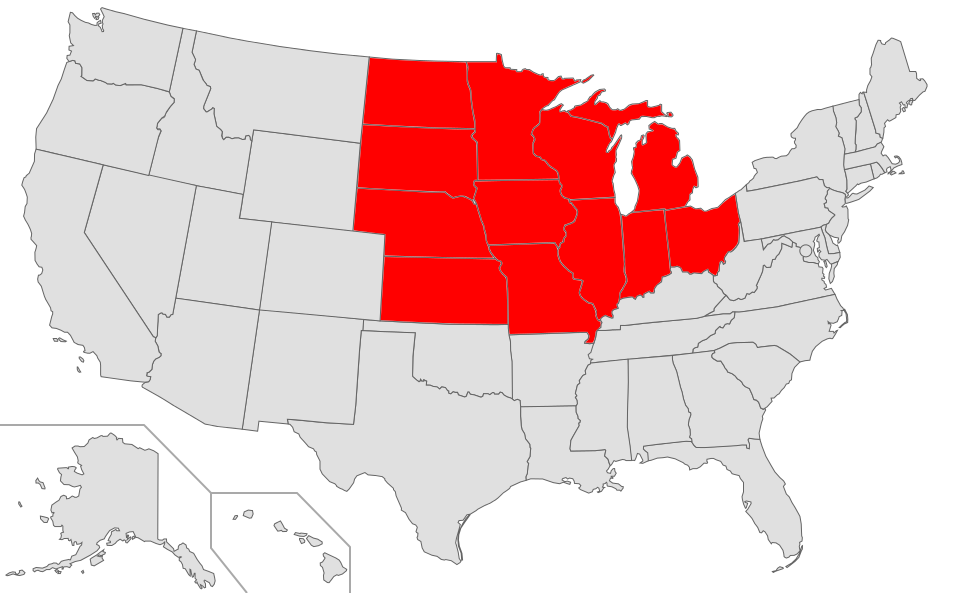
Overview
In the United States the terms "college" and "university" are often used interchangeably, but they can imply different institutional missions. Colleges frequently focus on undergraduate education and may be smaller in scale, while universities typically offer graduate programs and a broader range of professional and research activities. Institutions also differ by governance (public, private nonprofit, private for-profit), by degree levels offered, and by their primary instructional or research emphasis.
Accreditation and oversight
Accreditation and state authorization affect whether an institution’s courses and degrees are recognized by employers, other colleges, and government agencies. Students and researchers consulting lists should note whether institutions are accredited by a recognized agency and are authorized to operate in their state.
Common ways lists are organized
Lists of U.S. higher education institutions are typically grouped to help users find schools that match specific criteria. Common organization schemes include:
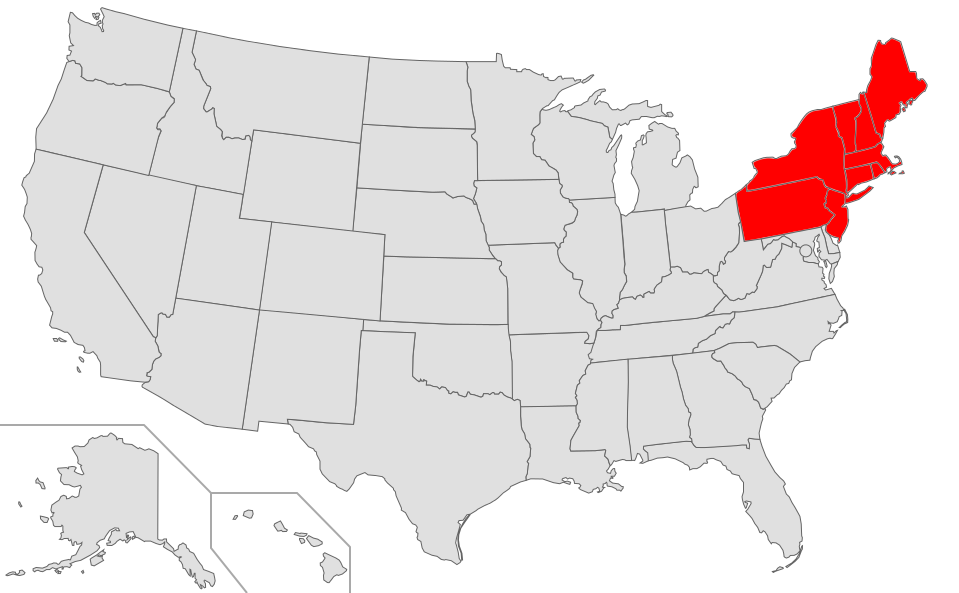
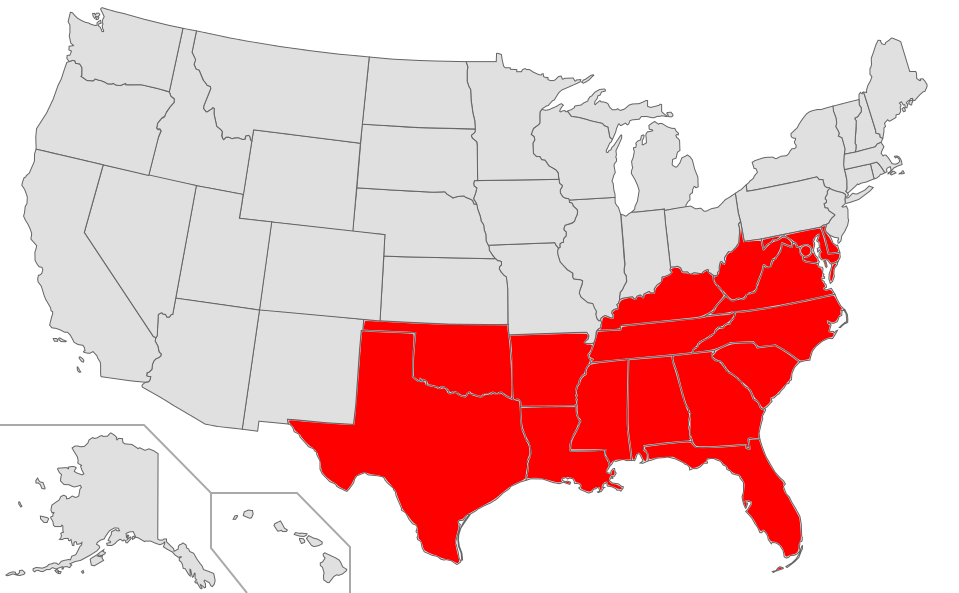
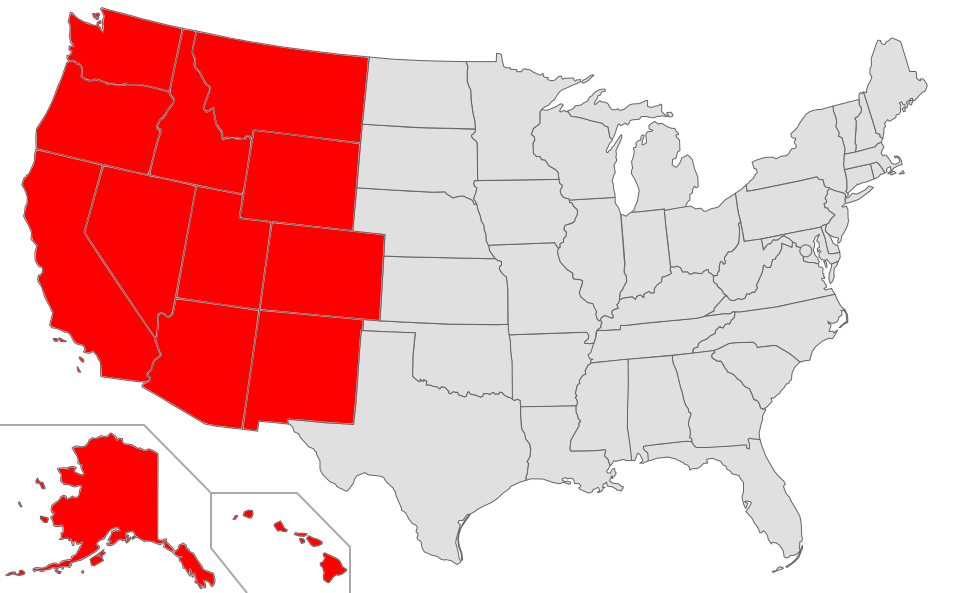
- By geography: states, territories, and metropolitan areas.
- By sector: public universities, state colleges, community colleges, private nonprofit colleges, and private for-profit institutions.
- By mission or size: research universities, liberal arts colleges, technical and vocational schools, and graduate-only institutions.
- By historical or cultural designation: e.g., historically black colleges and universities, tribal colleges, and women’s colleges.
- By measures such as enrollment, degrees awarded, or research activity, often using established classifications.
Using and interpreting lists
When using a compiled list, consider the criteria used to assemble it. Some directories aim to be comprehensive, while others focus on a single category (for example, community colleges or doctoral research universities). Verify current accreditation status, program availability, and campus location from the institution itself because online lists may not reflect recent changes such as mergers, closures, or new program approvals.
Where to look next
For readers beginning research on higher education options, it is helpful to consult multiple list types—by state, by sector, and by program area—to form a complete picture. The linked terms above point to general pages about colleges, universities, and the United States, which can serve as starting points for more detailed, subject-specific lists.
Tags
Related articles
Author
AlegsaOnline.com Guide to U.S. Colleges and Universities: Types, Accreditation, and Listing Methods Leandro Alegsa
URL: https://en.alegsaonline.com/art/21626