
Phillips Exeter Academy
Historic coeducational boarding and day secondary school in Exeter, New Hampshire, known for the Harkness discussion method, large endowment, long history, and a longstanding rivalry with Phillips Academy.
Overview
Phillips Exeter Academy is an independent secondary school in Exeter, New Hampshire, that enrolls both boarding and day students. The Academy combines residential life, an extensive academic program, and a distinctive classroom method that emphasizes discussion and student engagement. Institutional pages describe its status as a boarding and day school and its location in Exeter, New Hampshire. The school maintains a substantial endowment and dedicated resources to support scholarships, faculty, libraries, and campus facilities; for institutional financial and endowment information see endowment and financial reports.
Image gallery
10 Images


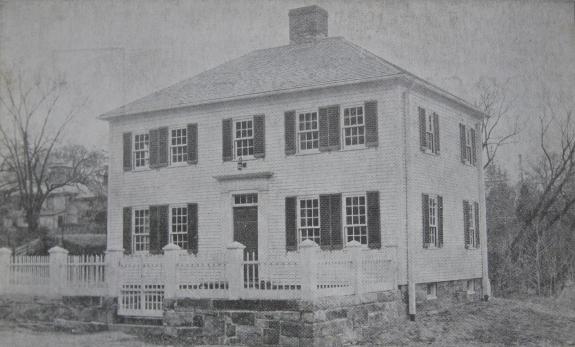


Academics and the Harkness method
A central feature of Exeter's pedagogy is the Harkness method, a seminar-style approach in which students and teachers sit around an oval table to discuss texts and problems. This method emphasizes critical reading, oral reasoning, and collaborative inquiry rather than extended lecturing. Exeter offers a broad curriculum across the humanities, sciences, mathematics, languages, and arts, and its academic advising and student support services are described in resources on academic programs. Faculty act as facilitators who guide discussion, present challenging questions, and help students develop analytical habits.
Campus, collections, and facilities
The campus blends historic and modern buildings, residential houses, libraries, athletic complexes, and gallery spaces. Notable facilities include research and reference libraries and an art museum and gallery used for exhibitions and teaching. Visitor information and descriptions of these collections are commonly grouped under pages for visitor information and the Academy's named libraries and galleries. The campus is organized to support both academic life and extracurricular activities, with houses or dormitories providing the center of residential student life.
History and traditions
Founded in the late 18th century by John Phillips, Exeter is one of the older preparatory schools in the United States and long predates many modern secondary institutions. The school began as an all‑male academy and admitted female students in the later 20th century, after which it evolved into a fully coeducational institution. Exeter developed many traditions, rituals, and mottos over its long history; historical summaries and archival materials often appear on pages devoted to the school's history and its regional context in local historical resources.
Rivalry with Phillips Academy
Phillips Exeter's relationship with Phillips Academy in Andover traces to family connections among their early benefactors and to the broader tradition of New England academies. The two schools maintain a well-known rivalry expressed in athletics and annual competitions; these historic matchups are described on both institutions' rivalry and alumni pages and in regional sports histories.
Admissions, financial aid, and governance
Admissions to Exeter are selective and consider academic preparation, character, and potential contribution to the school community. A significant portion of tuition assistance is funded by the Academy's endowment and donor support; prospective families can consult official pages on admissions and aid and institutional reports for details. Governance, oversight, and public information about leadership and trustees are provided through official institutional documents and public disclosures.
Student life and extracurriculars
Student life at Exeter includes residential house communities, arts programs, athletics, student publications, and clubs organized by student interest. Interhouse events, performance ensembles, and competitive teams are central to extracurricular life and to the social fabric of the campus. Resources on student organizations, athletic schedules, and campus activities are commonly published as part of student life and calendar pages.
Notable alumni and influence
Exeter alumni have included leaders in public service, literature, science, business, and the arts. Historical and biographical compilations highlight graduates who have held public office, led institutions, or made significant contributions in their fields; readers can consult curated lists and alumni profiles on pages for historical records, alumni highlights, and notable graduates. Contemporary public figures and entrepreneurs who spent part of their secondary education at Exeter are discussed in news and feature pieces, which are often available through institutional media or press links such as news items and feature stories.
Mottos and values
- Non Sibi — "Not for oneself"; a phrase used to emphasize service and communal responsibility.
- Finis Origine Pendet — commonly rendered as "The end depends on the beginning," underscoring the importance of foundation and preparation.
- Χάριτι Θεοῦ — a traditional phrase translated as "By the grace of God," reflecting historical phrasing used in some institutional contexts.
Together, these elements—distinctive pedagogy, residential culture, a broad curriculum, and historic traditions—help define Phillips Exeter Academy's role among American secondary boarding schools and its enduring influence on preparatory education and civic life.
Questions and answers
Q: What is Phillips Exeter Academy?
A: Phillips Exeter Academy is a high school for boys and girls in Exeter, New Hampshire. It is a boarding school, with 80% of the students living there.
Q: When was it founded?
A: Phillips Exeter Academy was founded in 1781 during the American Revolution by John Phillips as a school for only boys. The school opened to girls also in 1970.
Q: What teaching method does the school use?
A: The school uses the Harkness method, where students discuss concepts instead of being lectured.
Q: What are some important buildings at the academy?
A: Some important buildings at the academy include the Class of 45 Library, the Exeter Inn, and Lamont Gallery art museum.
Q: Who founded its rival school?
A: Its rival school, Phillips Academy, was founded three years before in Andover, Massachusetts by John Phillips' nephew Samuel Phillips Jr., with help from his uncle John.
Q: How long has their football rivalry been going on?
A: Their football teams have played against each other almost every year since 1878 making their rivalry one of the oldest high school rivalries in the country.
Q: What are some notable alumni from this academy?
A: Notable alumni from this academy include Franklin Pierce (an American president), Abraham Lincoln's children, Ulysses S Grant's children, Grover Cleveland's children and Mark Zuckerberg (inventor of Facebook).
Related articles
Author
AlegsaOnline.com Phillips Exeter Academy Leandro Alegsa
URL: https://en.alegsaonline.com/art/76488